Director’s Note
On the surface, The Rivals seems to be about the complicated lengths we will go to for love. Characters declare their devotion in sweeping poetry and secret notes, obsess about who and when and how to marry, and tie themselves into seemingly endless knots in the pursuit of love. But it would be a mistake not to look past this veneer. Sheridan’s 1775 play focuses not on love but on the folly that all too often characterizes romance: jealousy, fantasy, insecurity, and artifice.
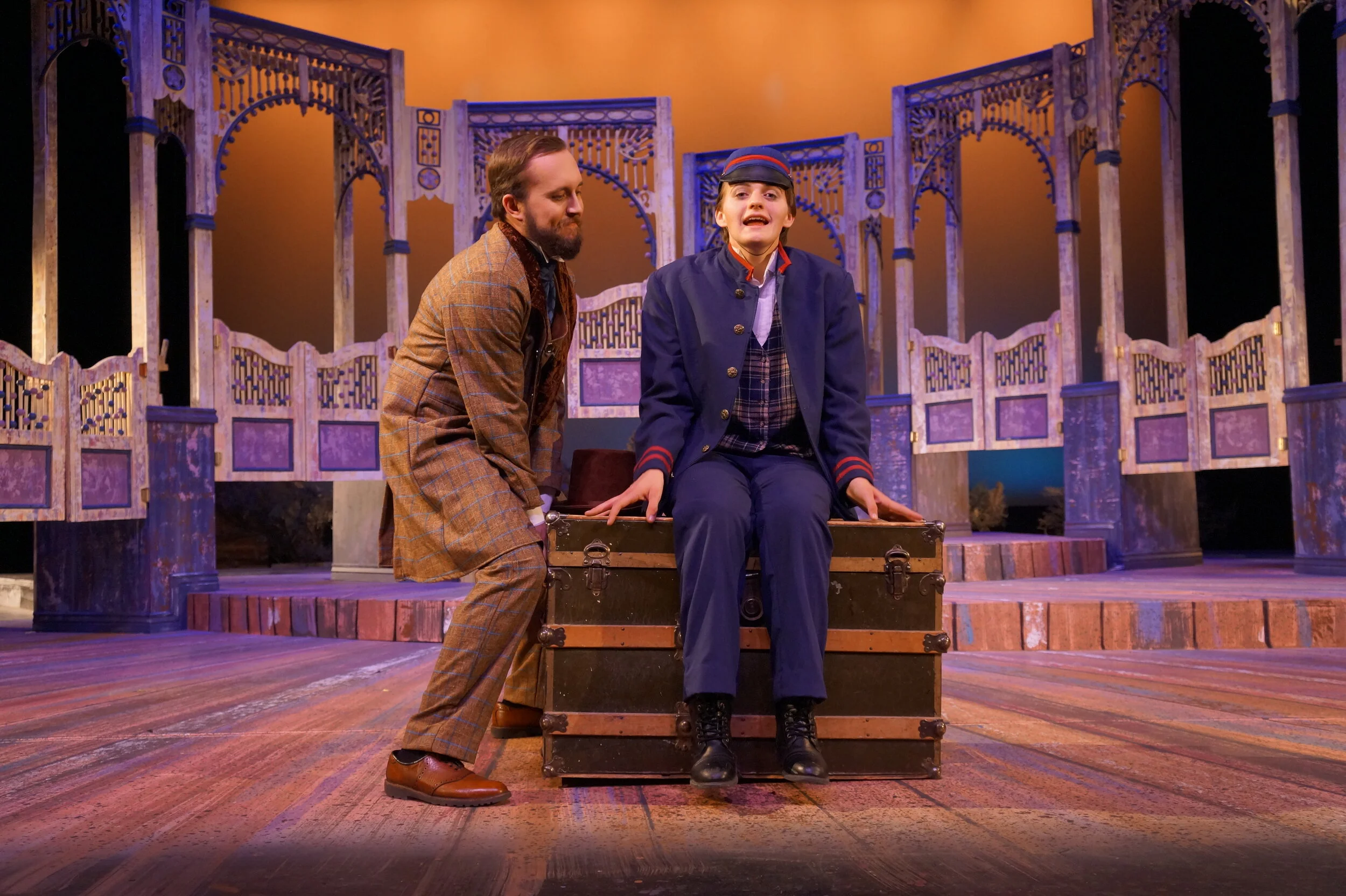
This last foible — artifice — permeates The Rivals. The most obvious example is Jack’s masquerade as “Corporal Beverley” to woo Lydia. But as the play weaves on, we see that most characters in the play are intent on presenting themselves as someone or something -- more learned, more honest, more sophisticated — that they are not. And who can blame any of them? Certainly not the author. Sheridan himself secretly wooed his wife under an assumed name. Love, as one character will tell us, is such savage bliss, we wish to be seen as better, stronger, smarter, more suitable, more desirable than we feel we are.
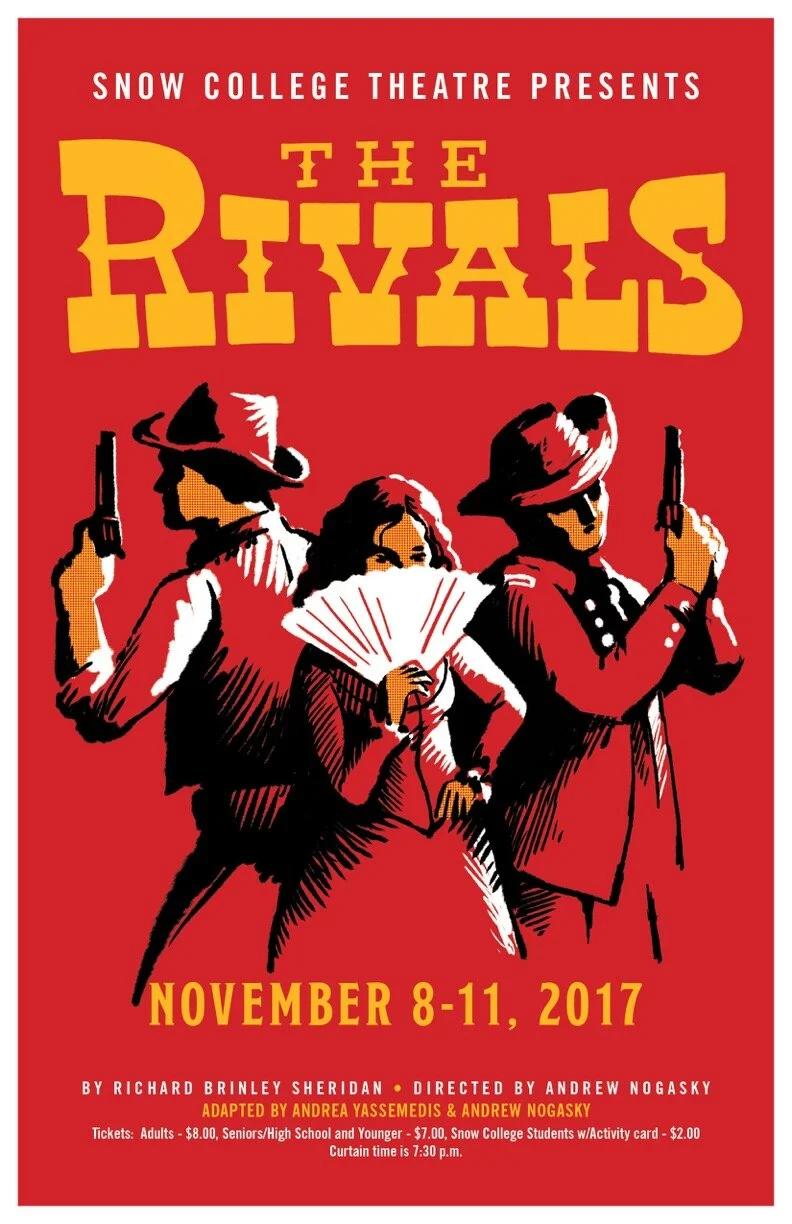
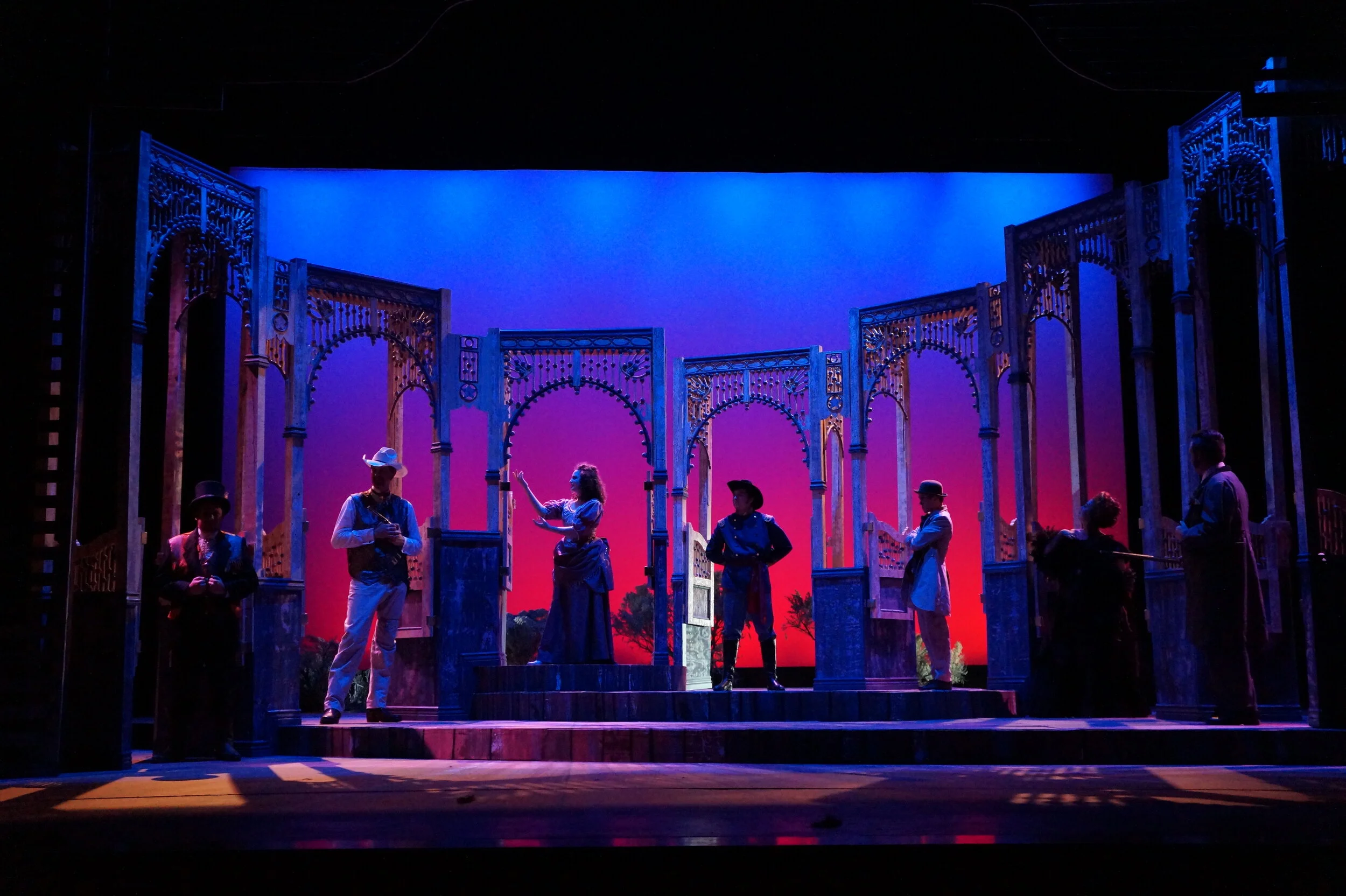
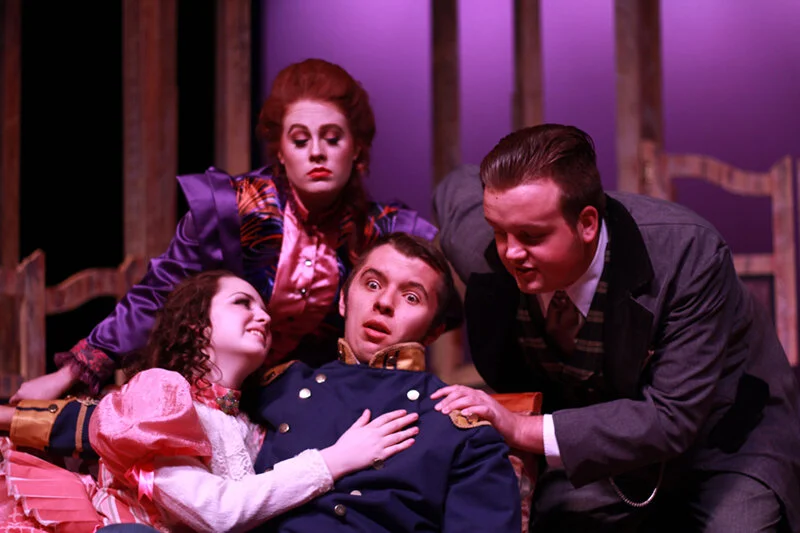
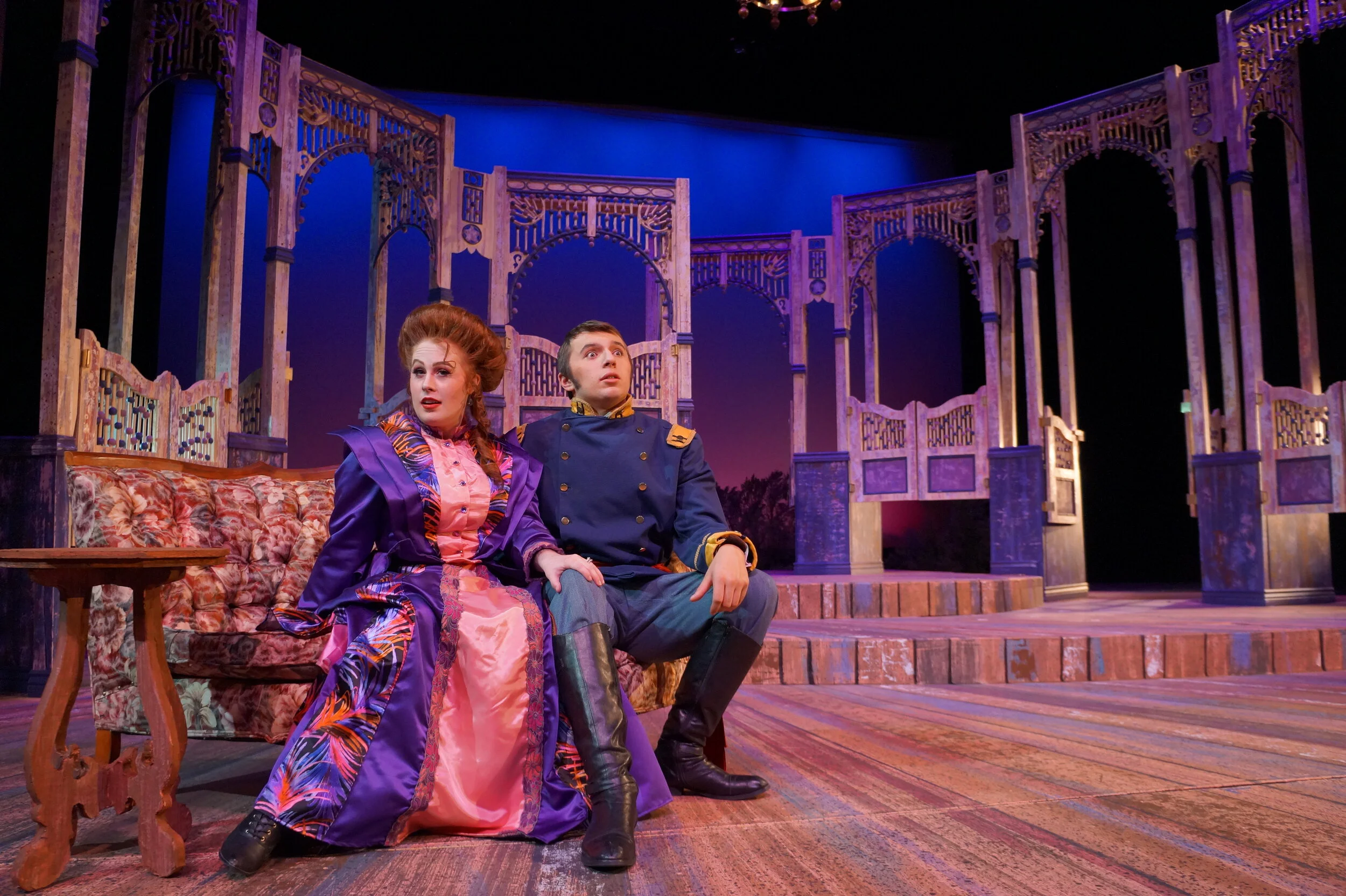
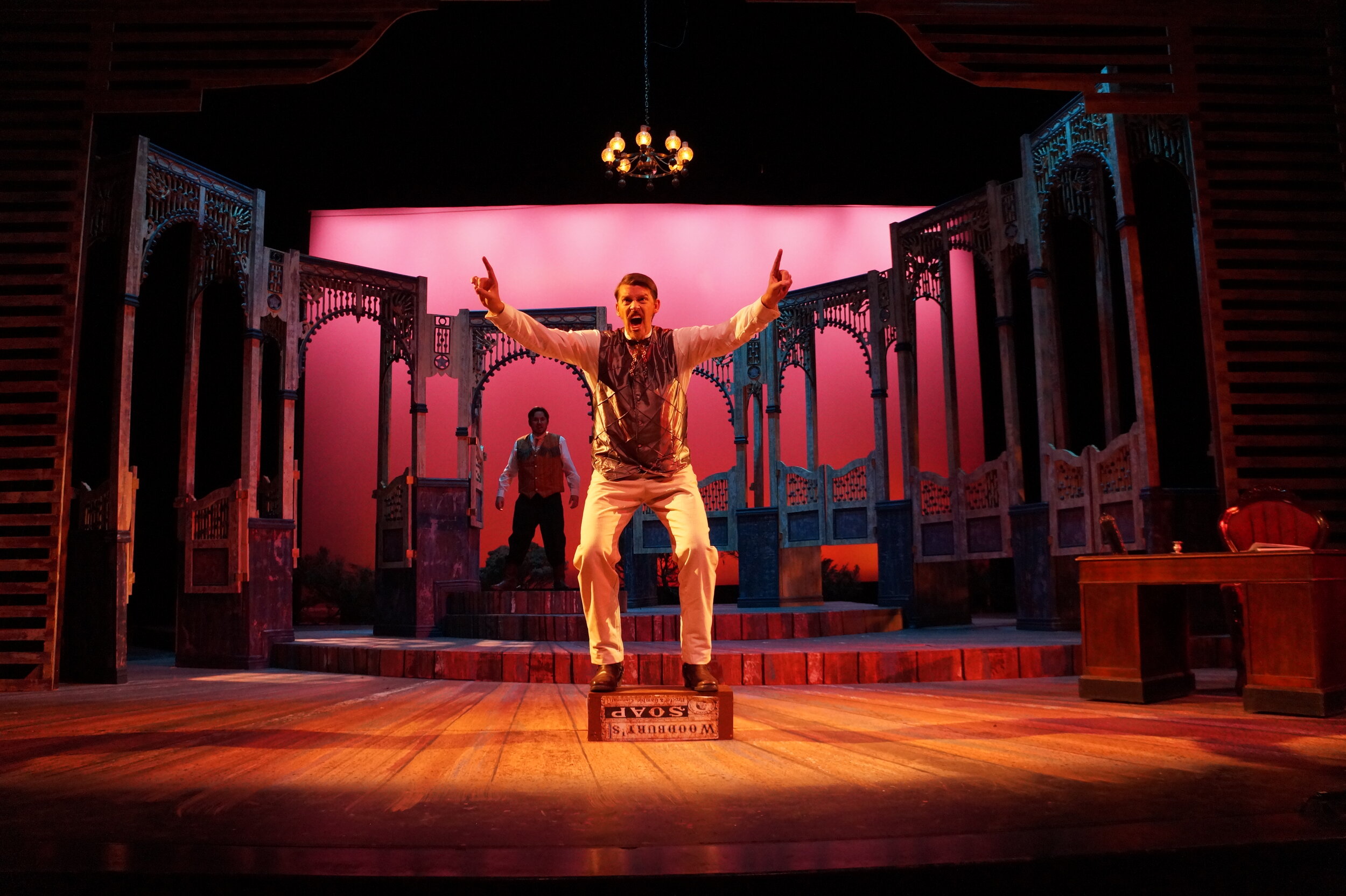
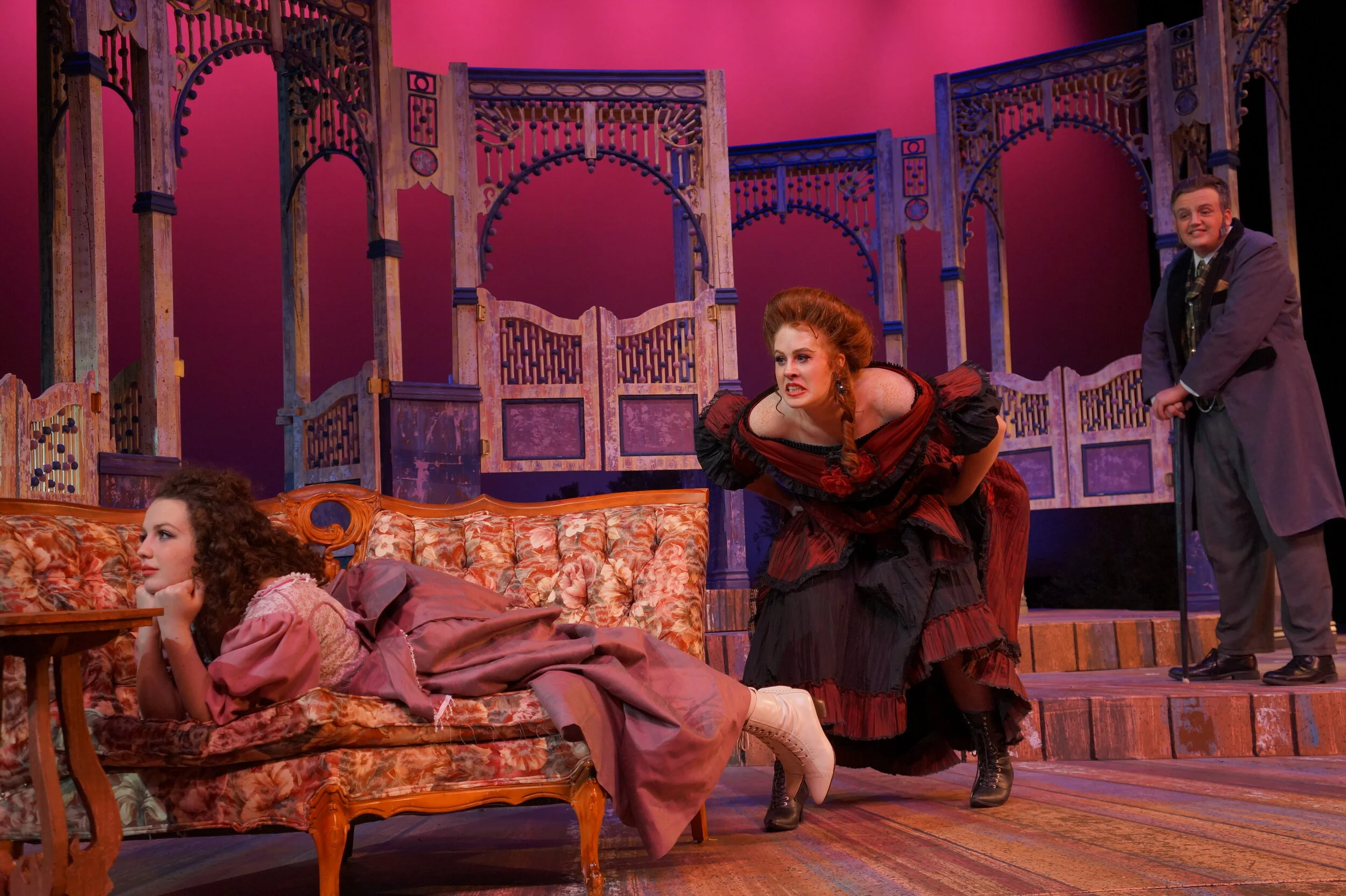
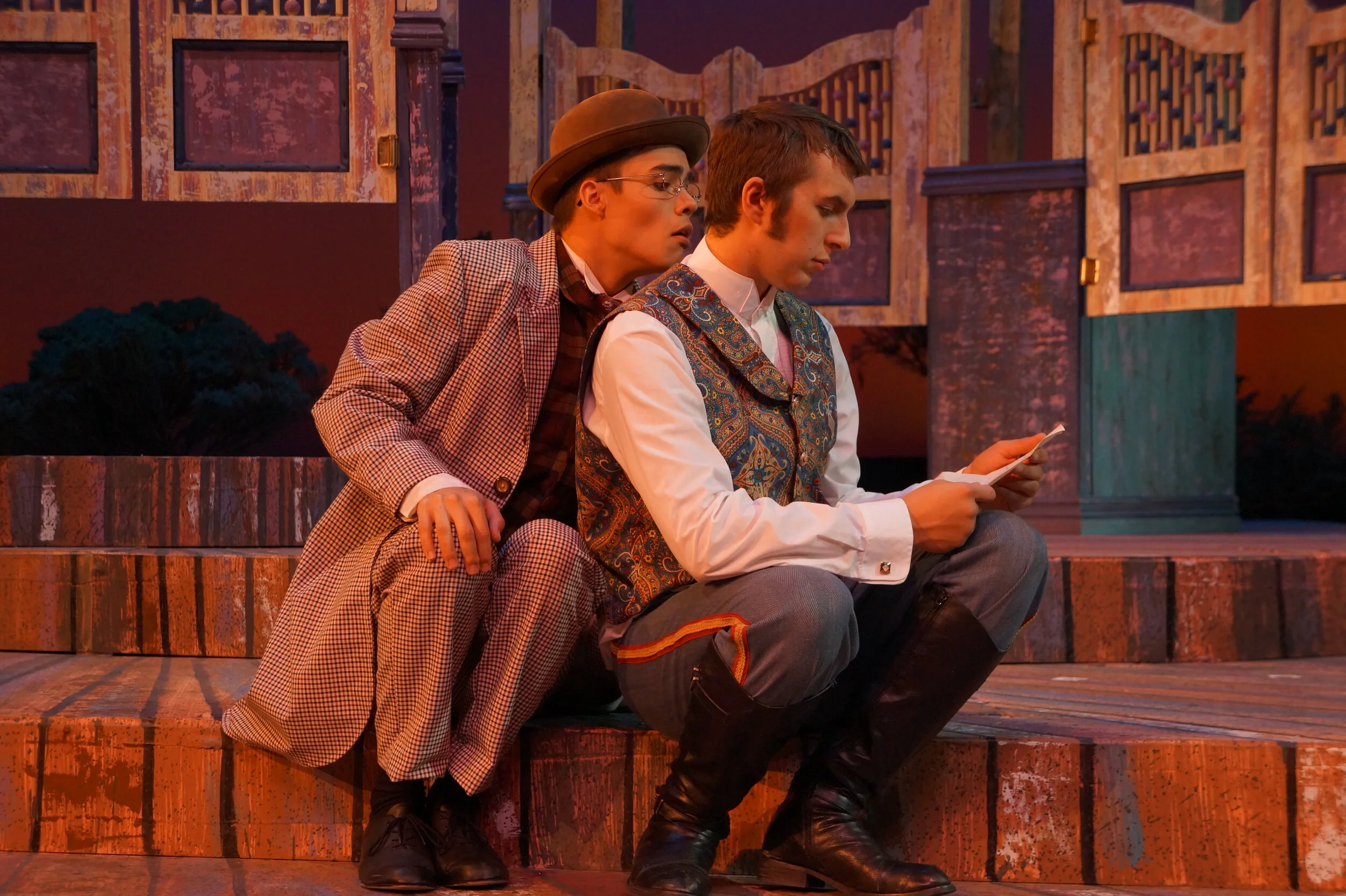
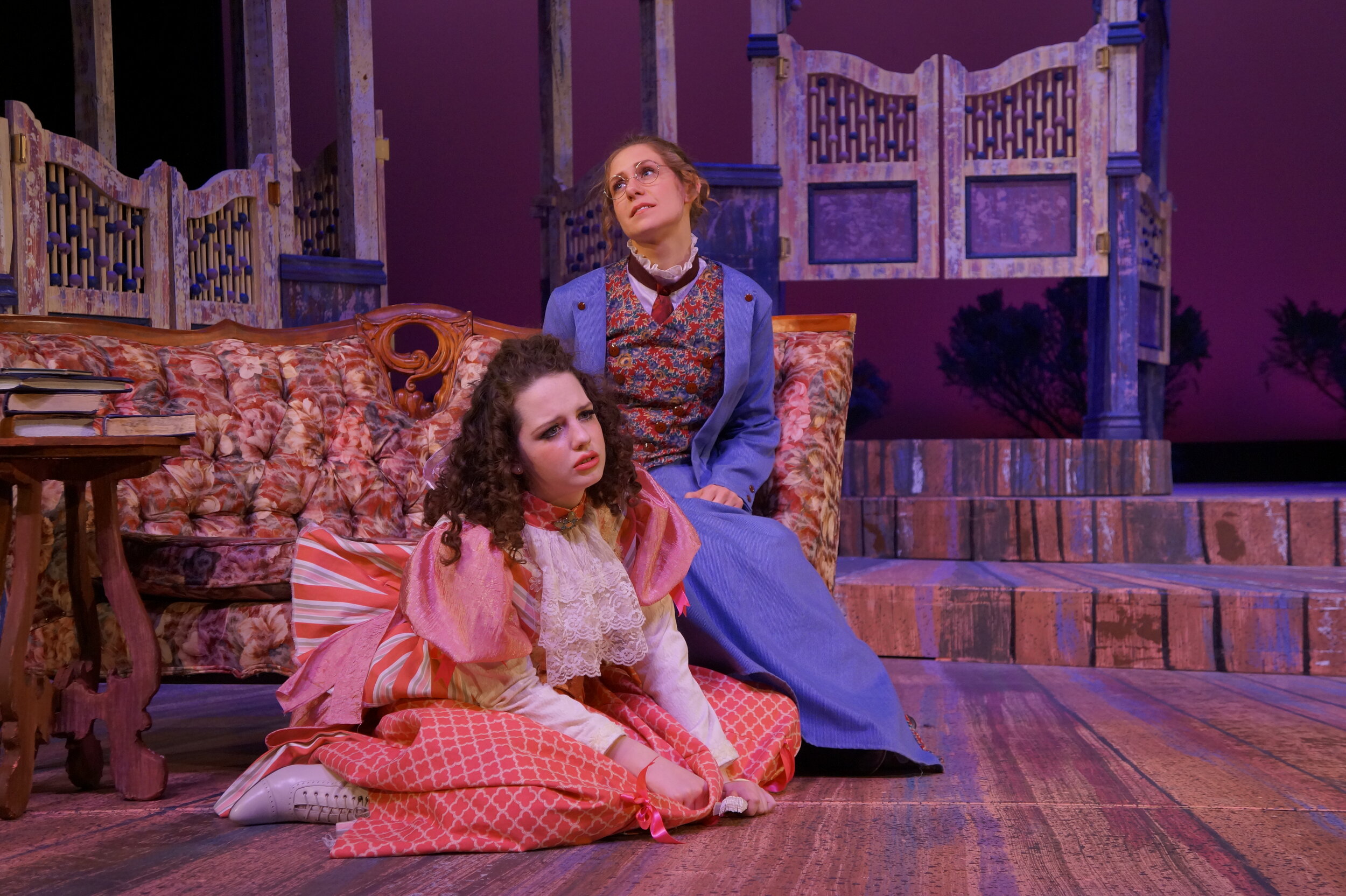
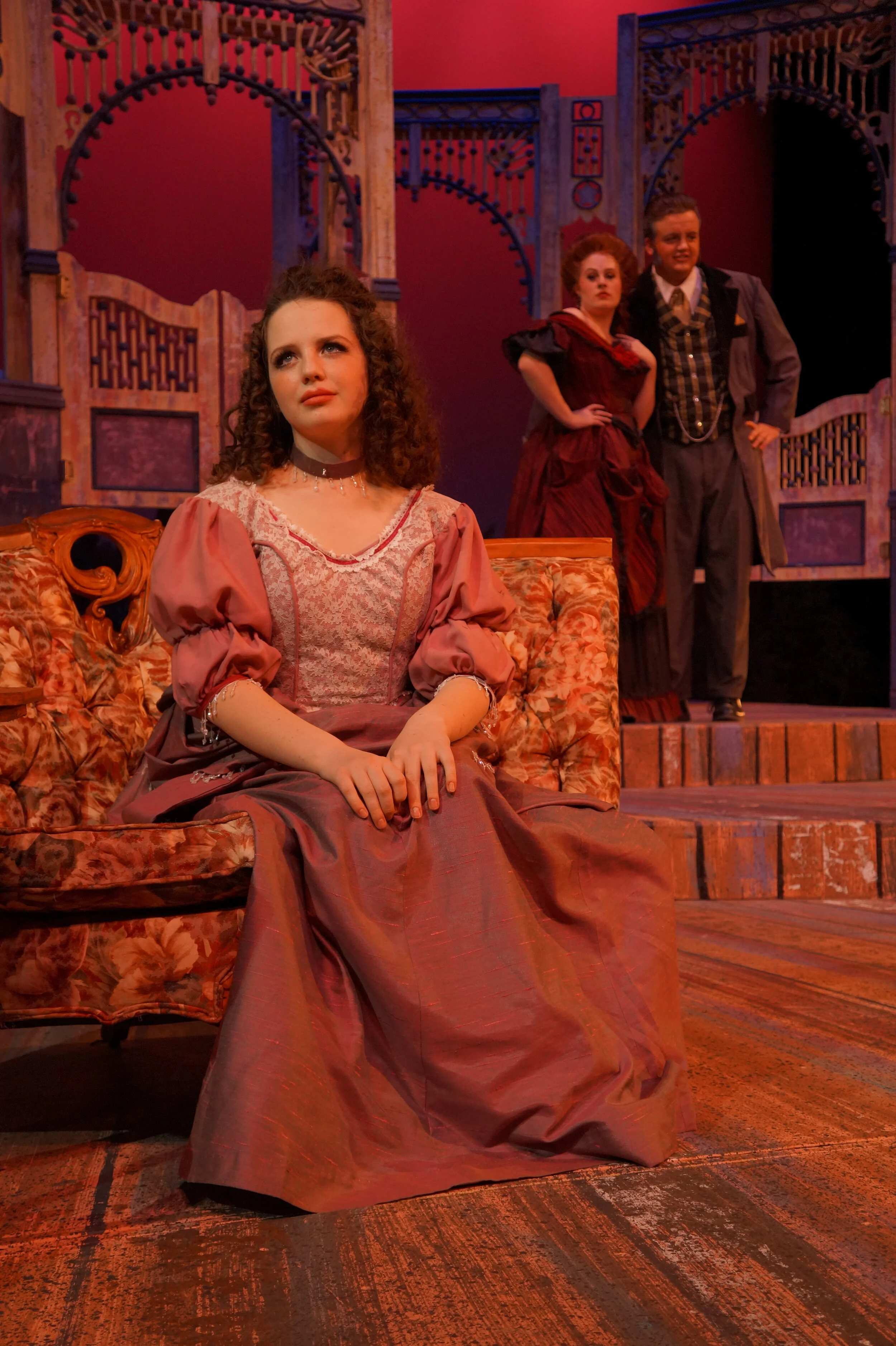
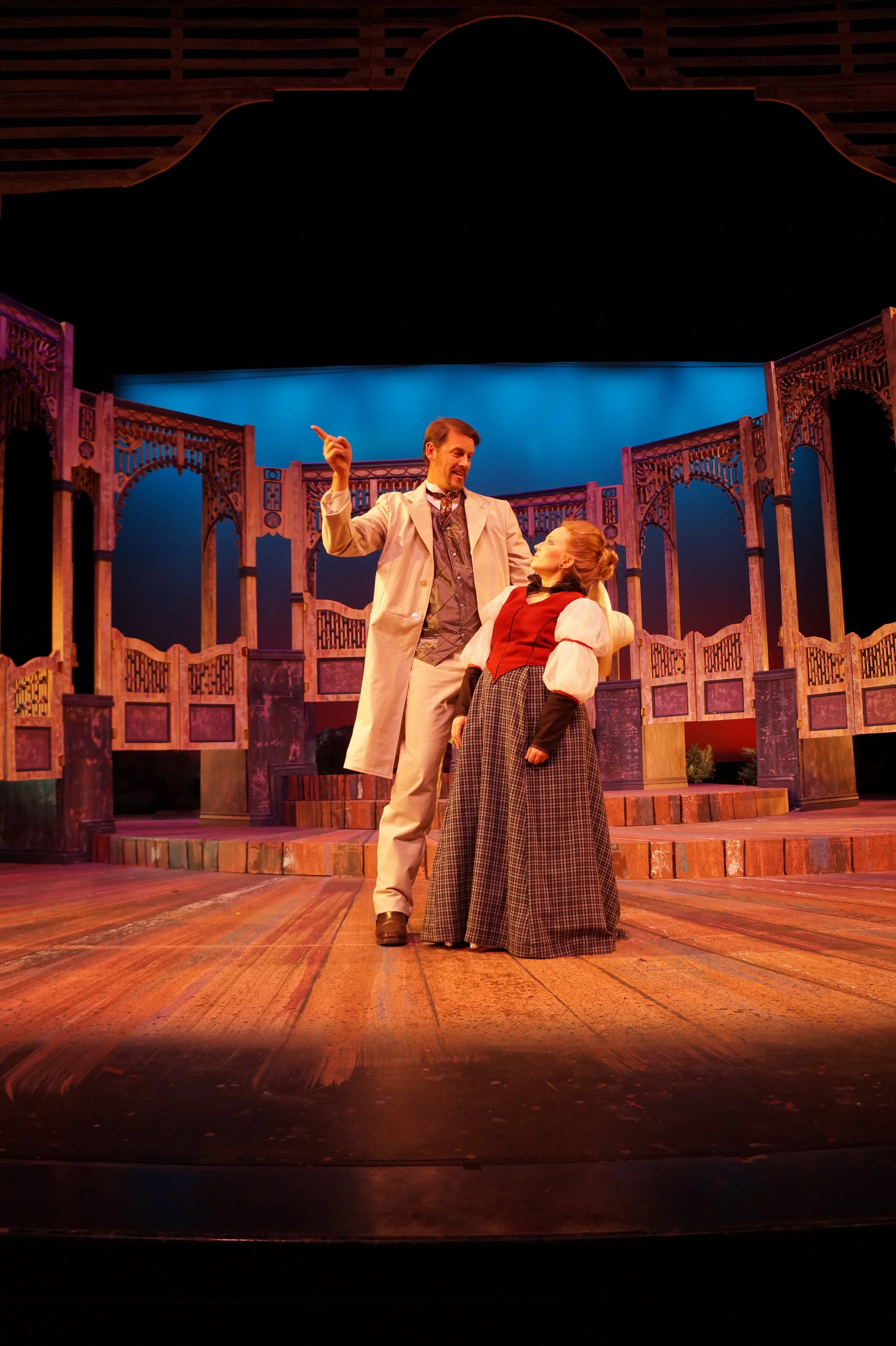
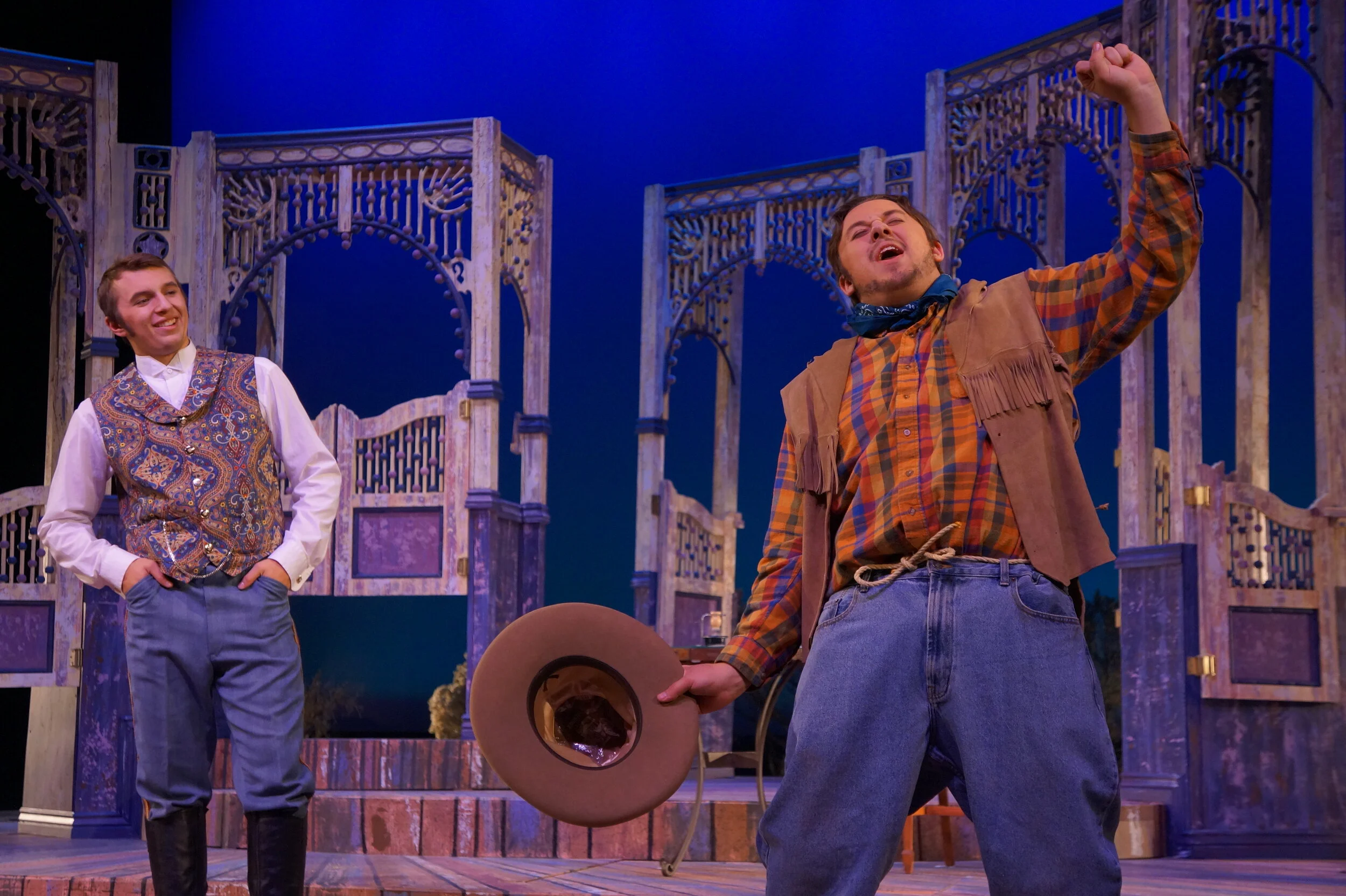
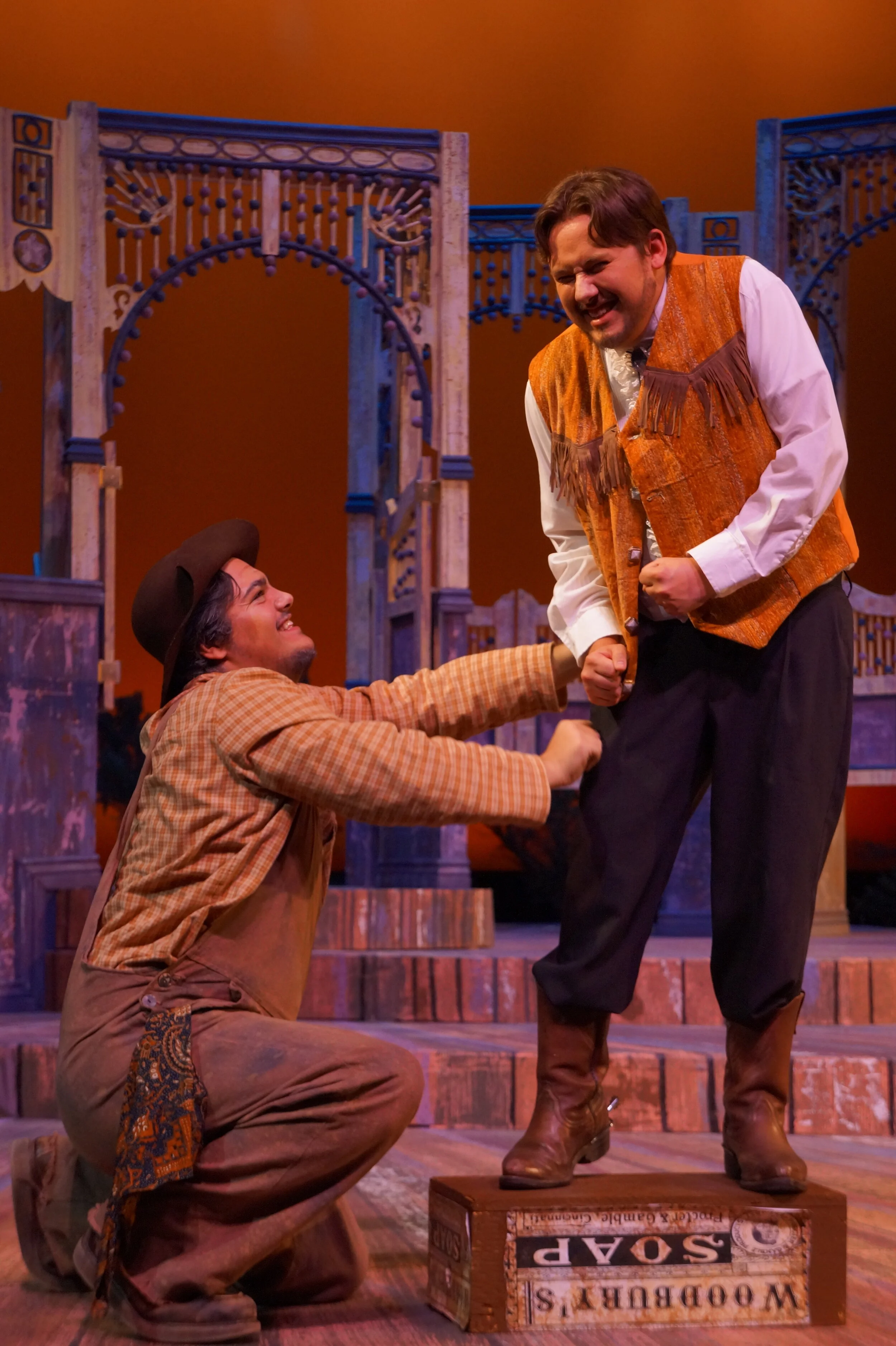
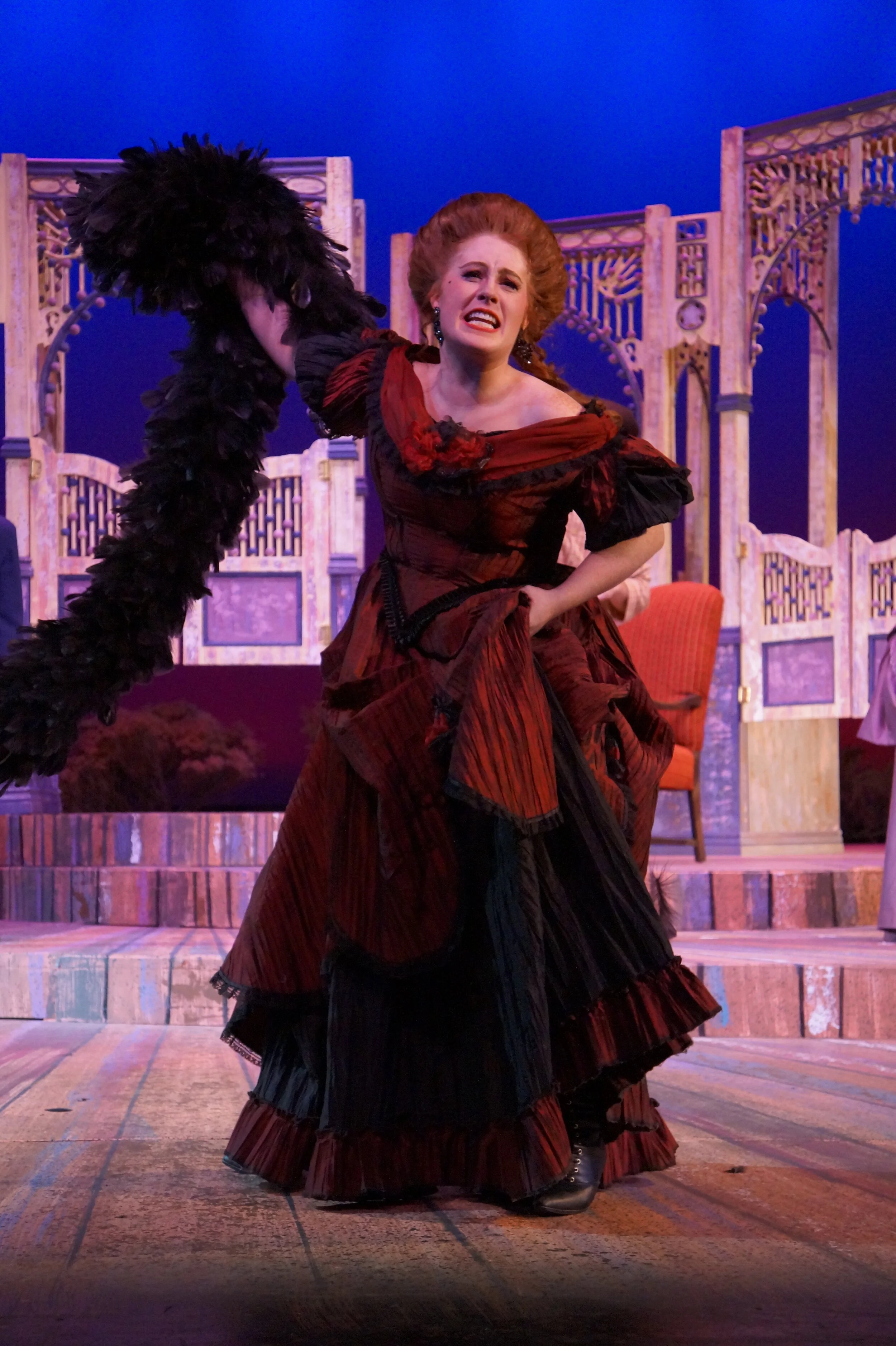
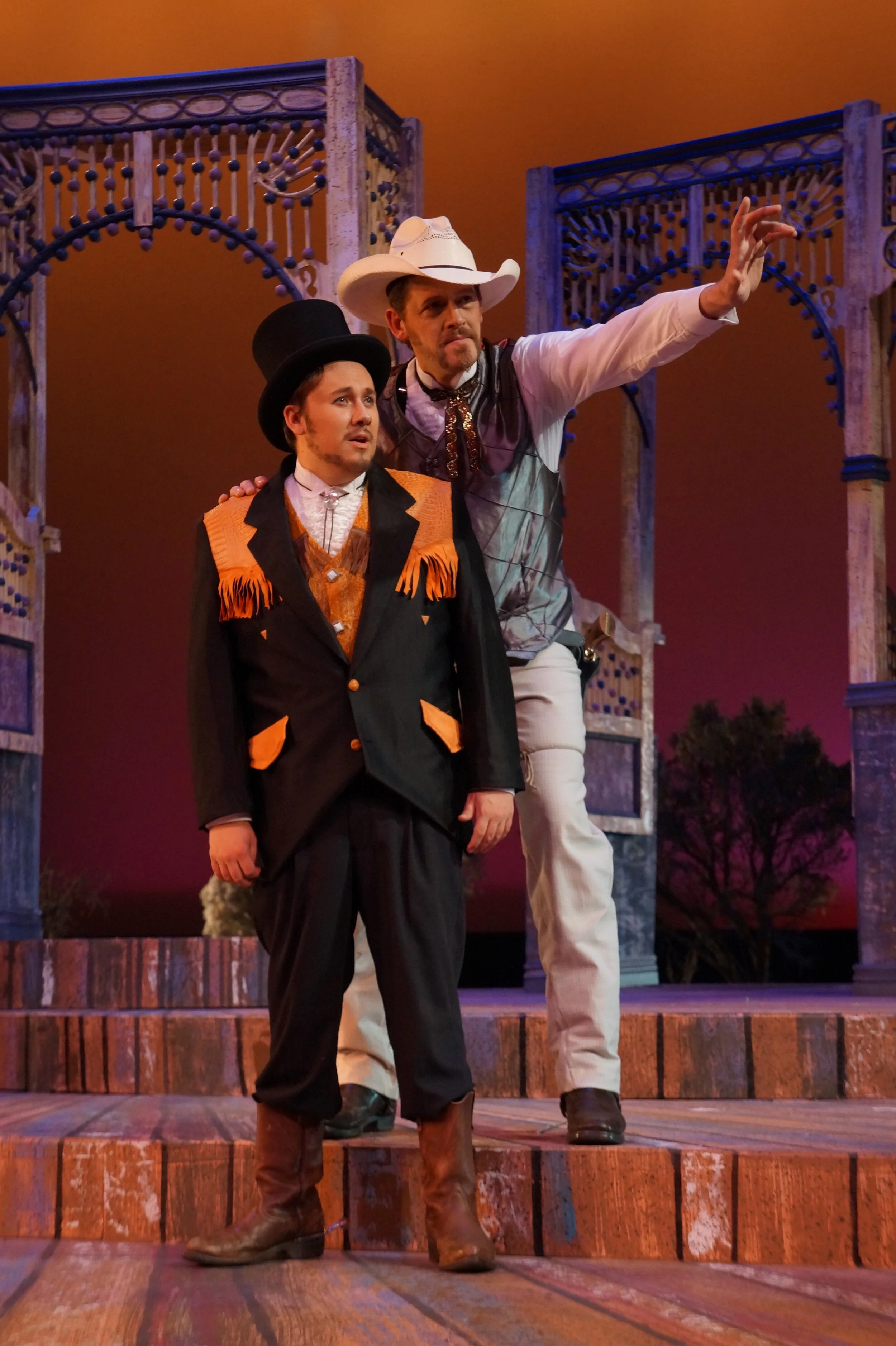
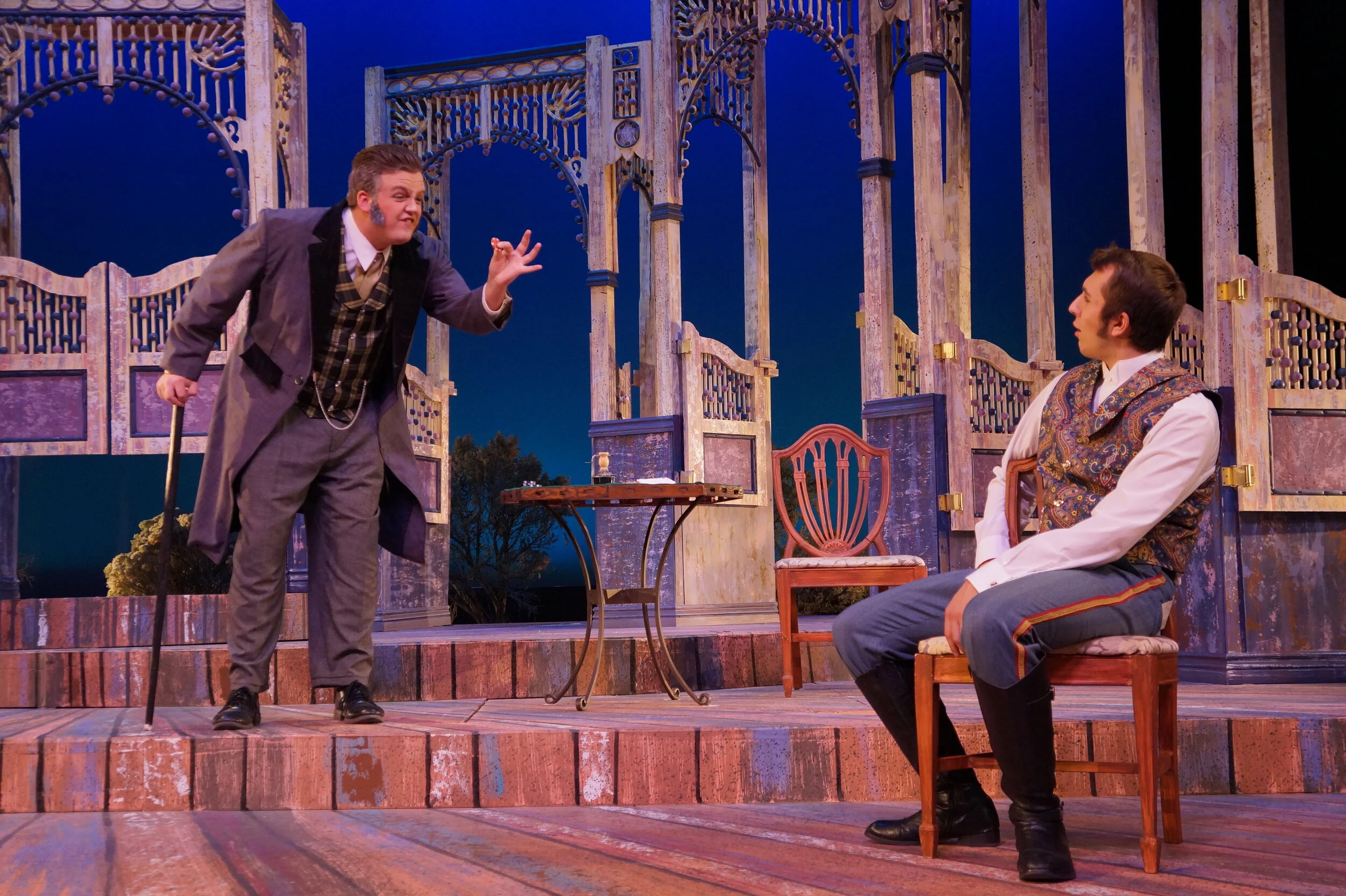
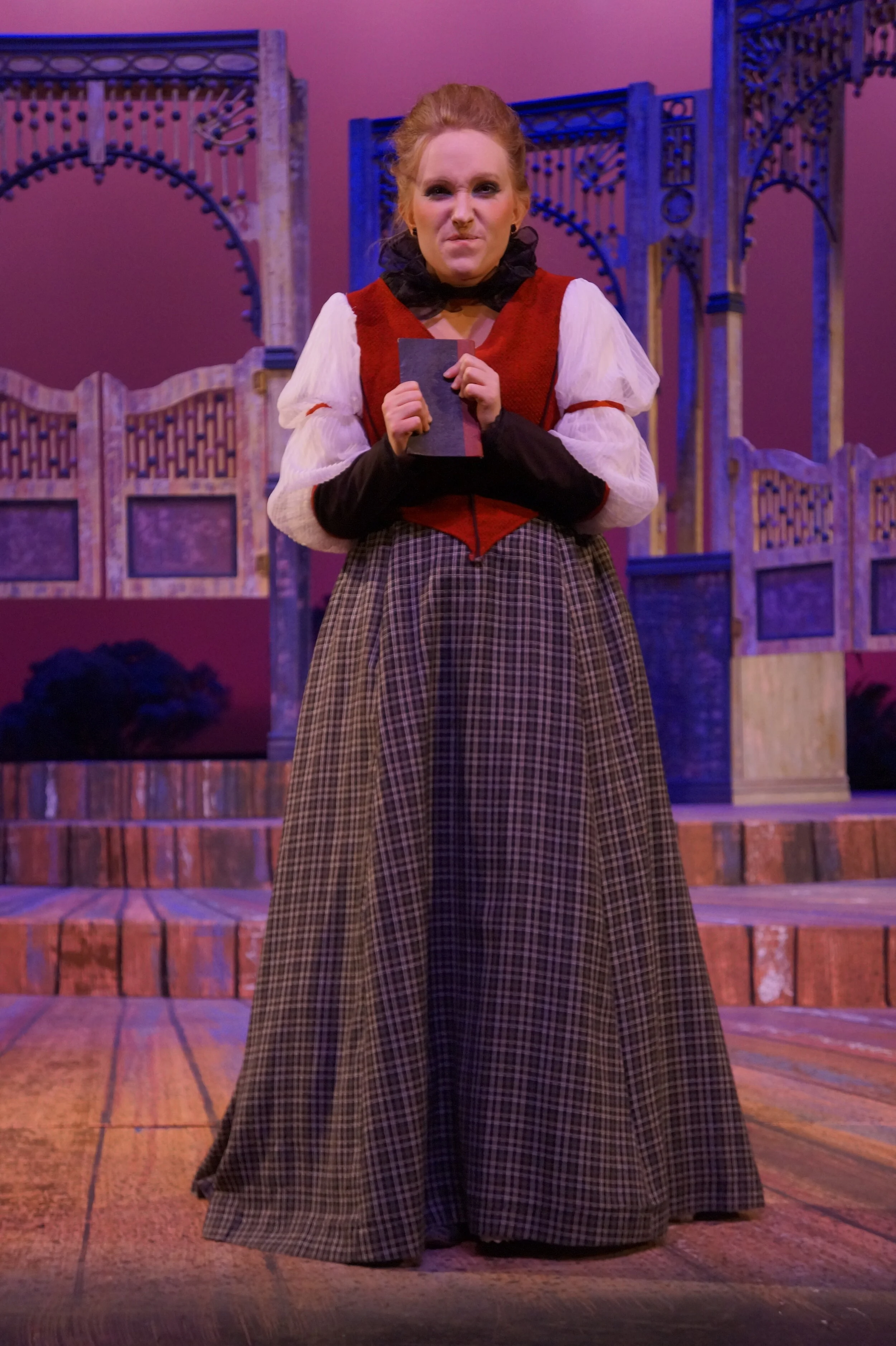
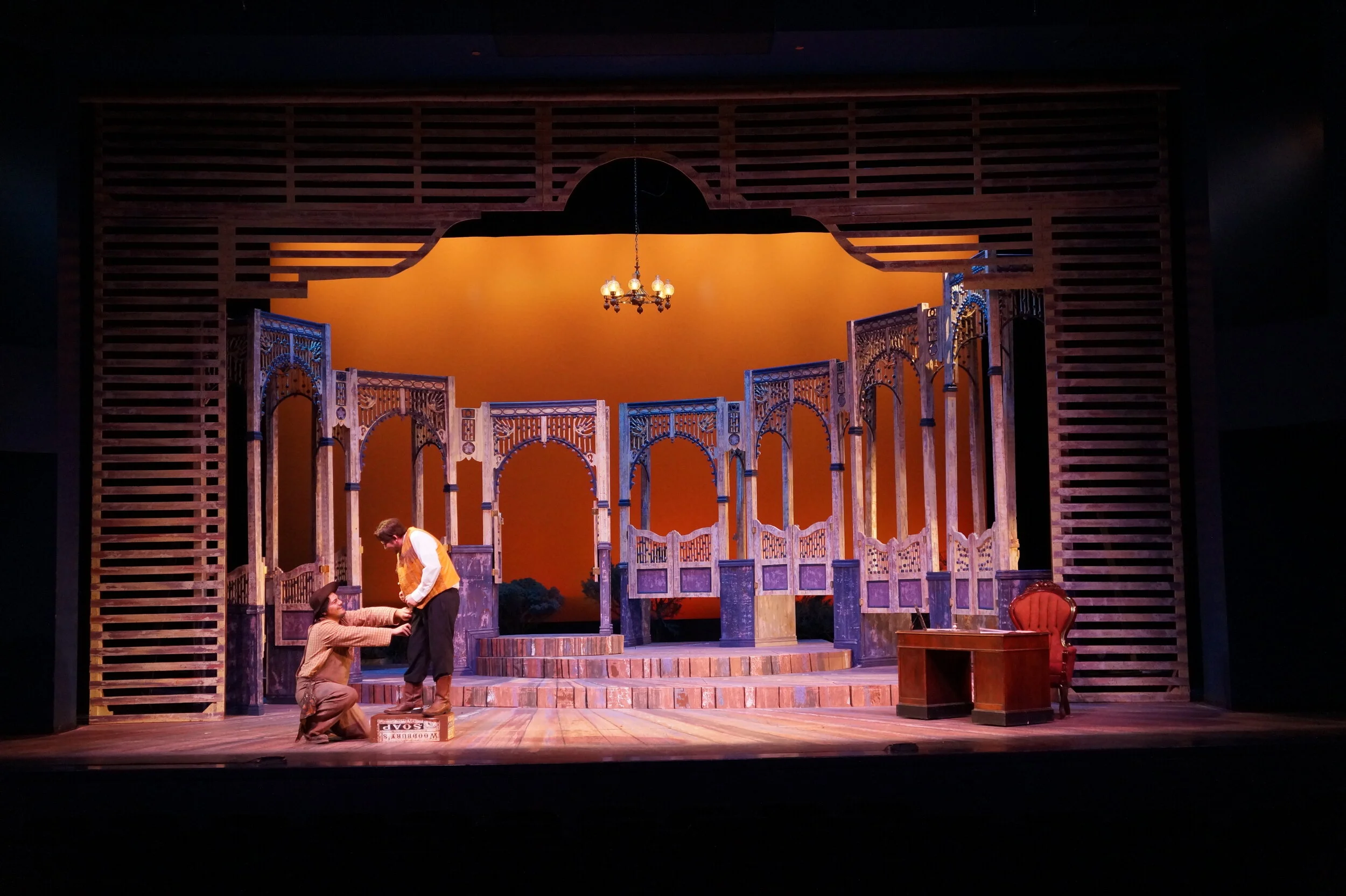
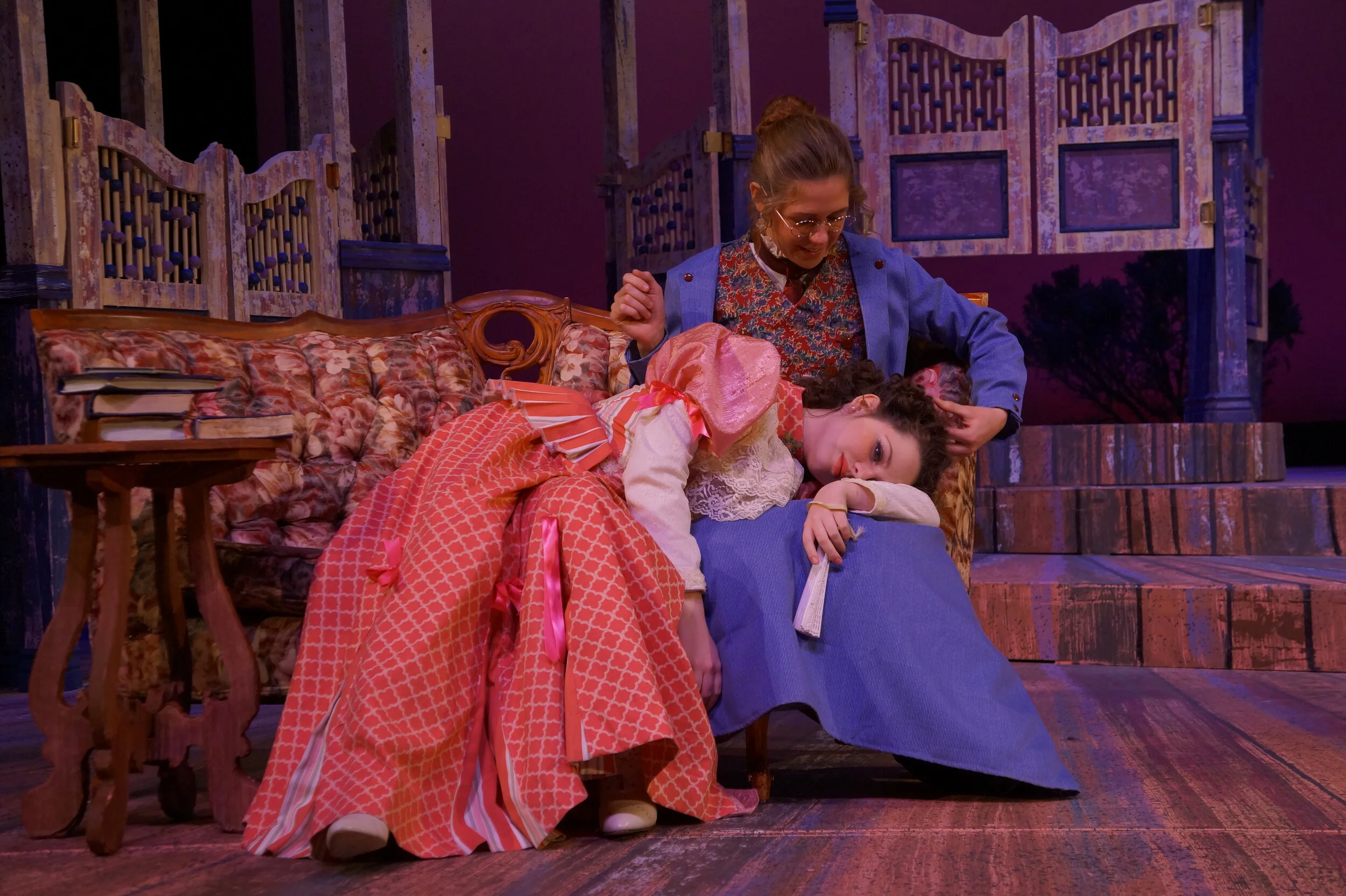
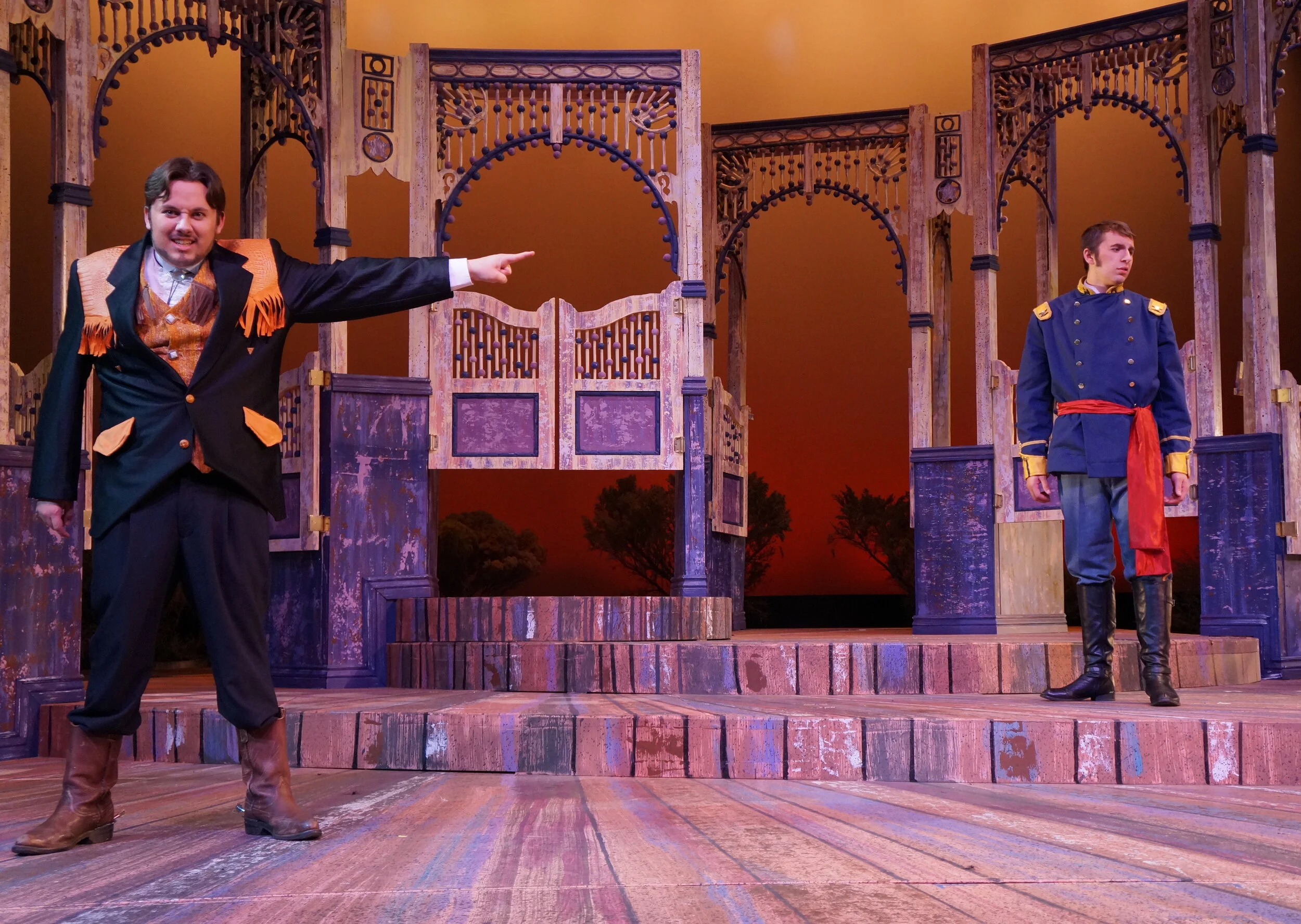
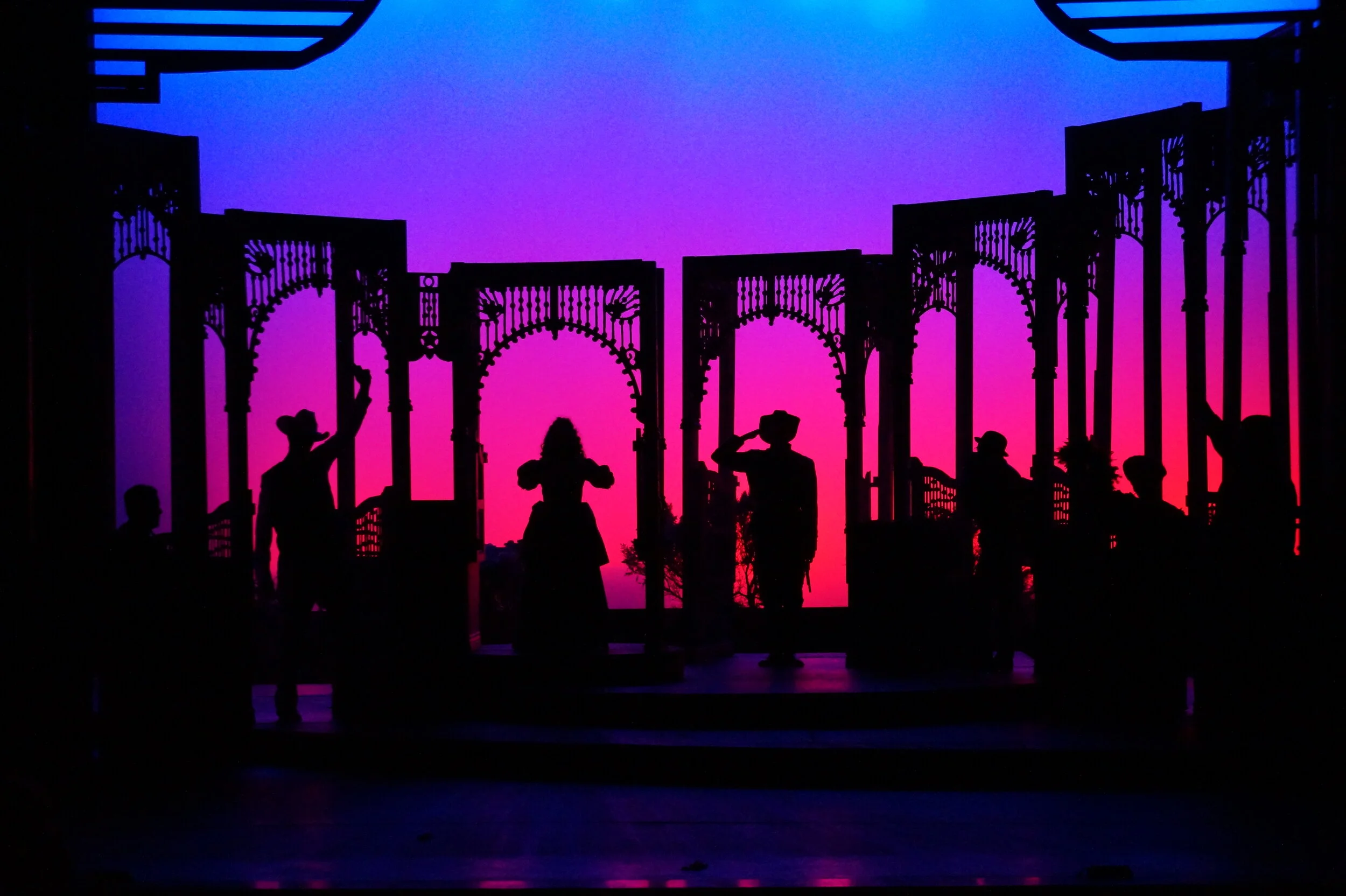
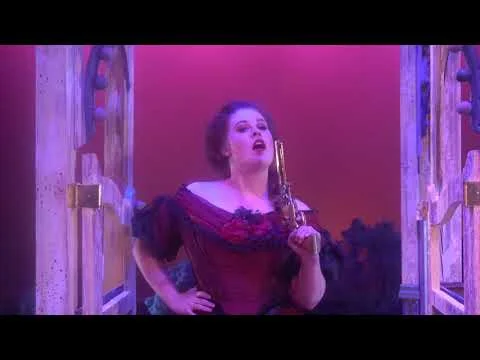
The interplay between the inside and outside, who a person is and who he pretends to be, animates the play. One prime example is Sheridan’s use of asides, or moments when a character breaks out from the scene and talks directly to the audience to share of thoughts and feelings. These asides only make sense, of course, if the character wants to tell us something he or she is keeping hidden from the other characters on stage. The setting, as well, is one of contrasts. Sheridan originally set the play in Bath, England (the site of his own clandestine love affair), a refined city surrounded by rural countryside. Our adaptation places the action in the San Francisco of the 1870s, and likewise juxtaposes the rural and urban. The stage itself adapts to show us scenes from the rustic West to sophisticated Victorian drawing rooms. The swinging saloon doors which feature prominently remind us of the character’s constant oscillations from one thing to another as they struggle with the contradictions between their inner selves and their outer presentations. Another way we see the difference between who a character is and who they present themselves to be is through costuming, as some characters literally change their duds to appear to be someone they are not.
Finally, much like everything else with The Rivals, the production appears as something it is not. This adaptation of Sheridan’s play was done specifically for the Snow College 2017 theater season. The language, setting, and costuming would be unrecognizable to the Sheridan’s original audience, but his plot, characters, and circumstances remain untouched. The result may look and sound like a Western, but at its core the play is still a drawing room comedy from Sheridan’s 1775 England. What you see is still Sheridan’s The Rivals dressed up in new duds — instead of a powdered colonial era wig, it’s now wearing cowboy boots.
CreditS
Written by Richard Brinsley Sheridan
Adapted by Andrea Yassemedis & Andrew Nogasky
Director: Andrew Nogasky
Scenic Designer: Milinda Weeks
Costume Designer: Kathleen Hansen
Lighting Designer: Milinda Weeks
Assistant Lighting Designer: Matthew Wall
Technical Director: Trent Bean
Sound Designers: Zach G. Addams , Jackson Hardon, Michael Morrise, Jordan Saucier, Stuart Stabler
Music by: Kyle Alm , Kalin Burr, Trent Hanna, Sarah Insalaco, Mary Furse, Anthony Jensen, Michael Morrise, Blake Sharette, Gage Slusser
Photos provided by Milinda Weeks, Taylor Stewart