Director’s Note
Perhaps you’ve heard of Ophelia, or Desdemona, or Cordelia from Shakespeare’s tragedies. Doubtless you are familiar with the star-crossed lover Juliet. And if you have had the good fortune to experience Shakespeare’s histories, you know of the force that is Queen Margaret. All are fascinating and captivating depictions of women. But I believe Shakespeare’s women thrive most in his comedies: Beatrice’s wit and market-heart-eating strength in Much Ado About Nothing; Portia’s dew-drop’th wisdom and equilibrium in The Merchant of Venice; Viola’s resilience in Twelfth Night; Rosalind’s vitality in As You Like It; and Helena’s candor in A Midsummer Night’s Dream. Even vinegary Kate from The Taming of the Shrew, a character hard to reconcile in today’s world, is an exciting precursor to feminism until the last moments of the play.
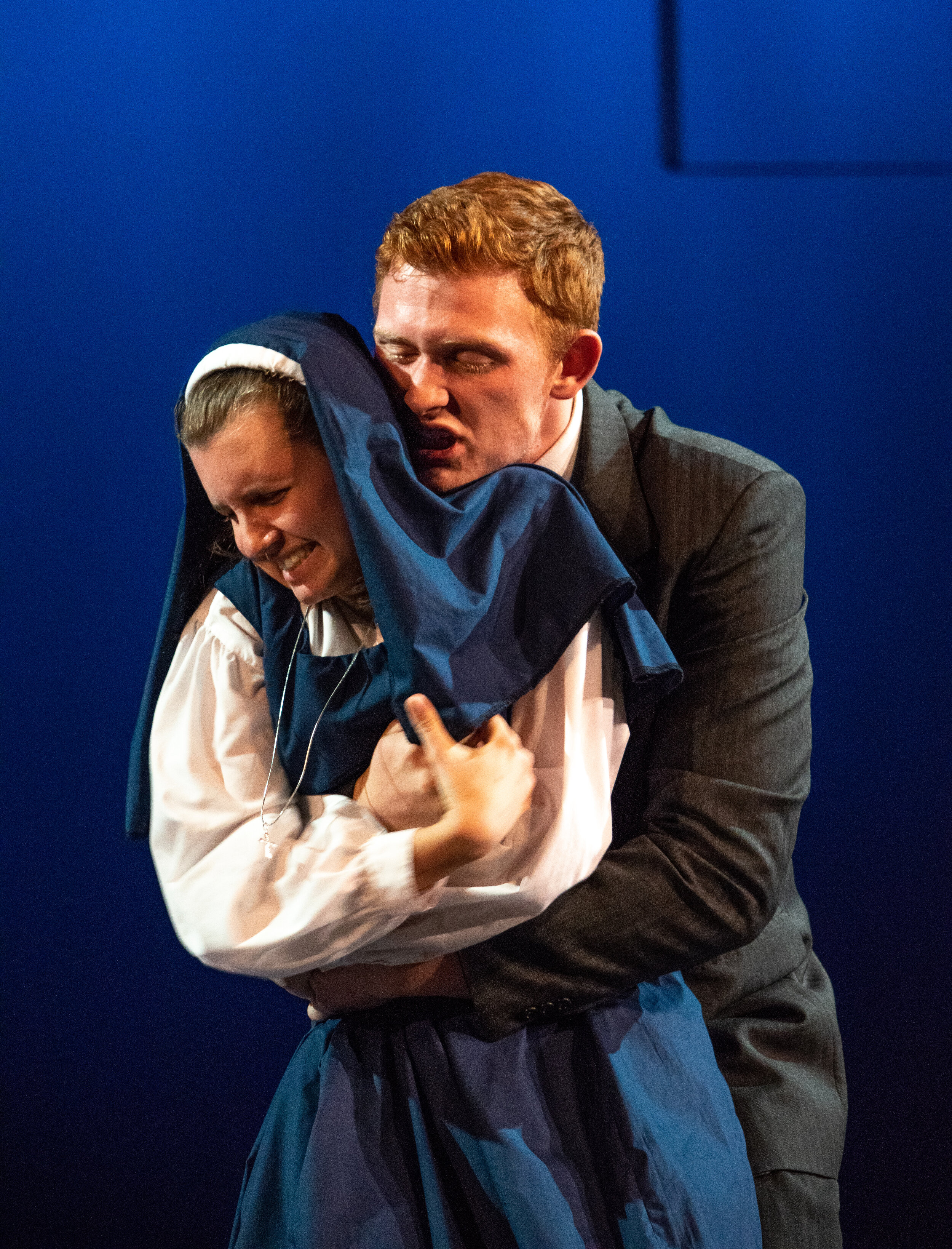
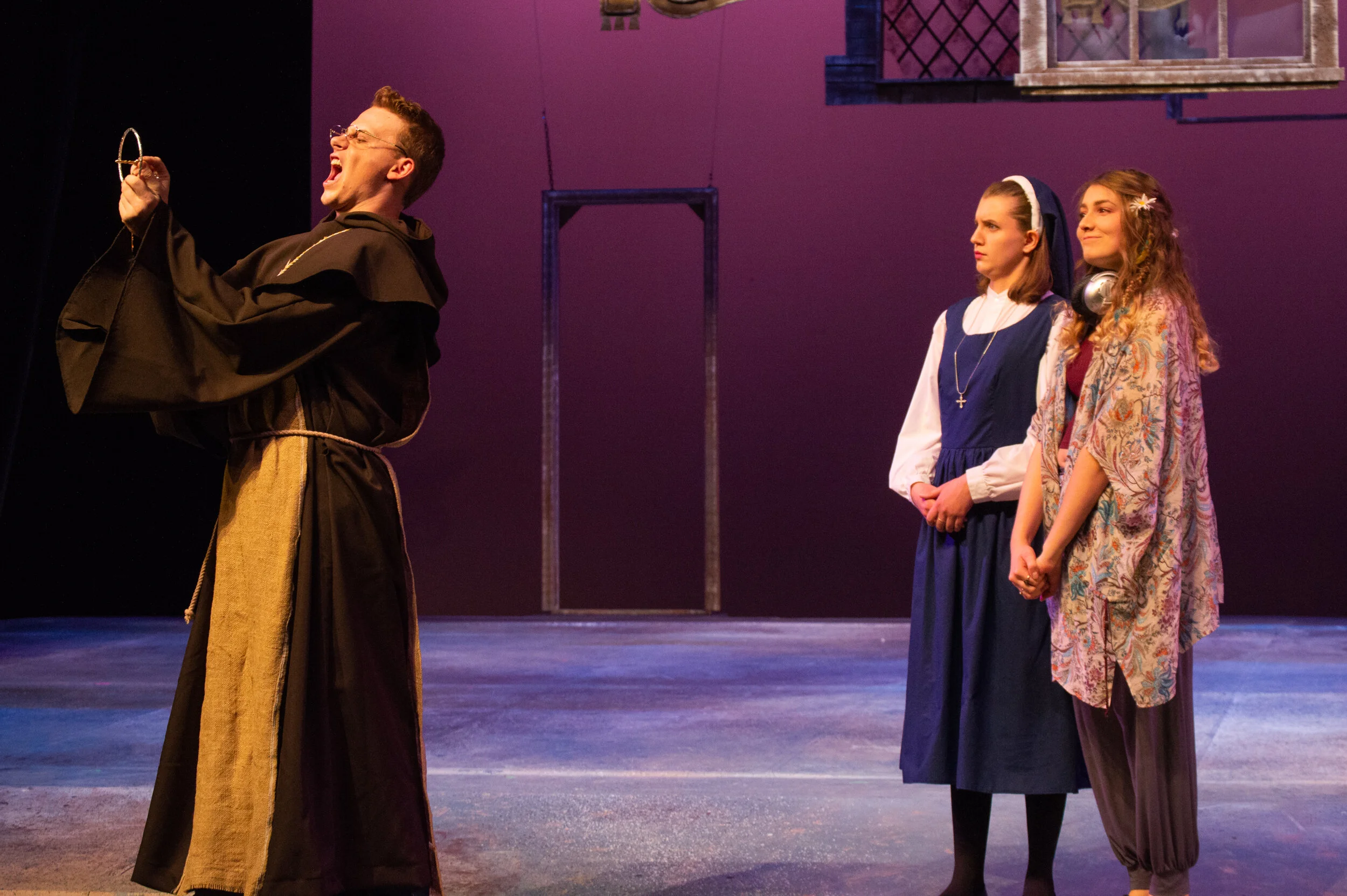
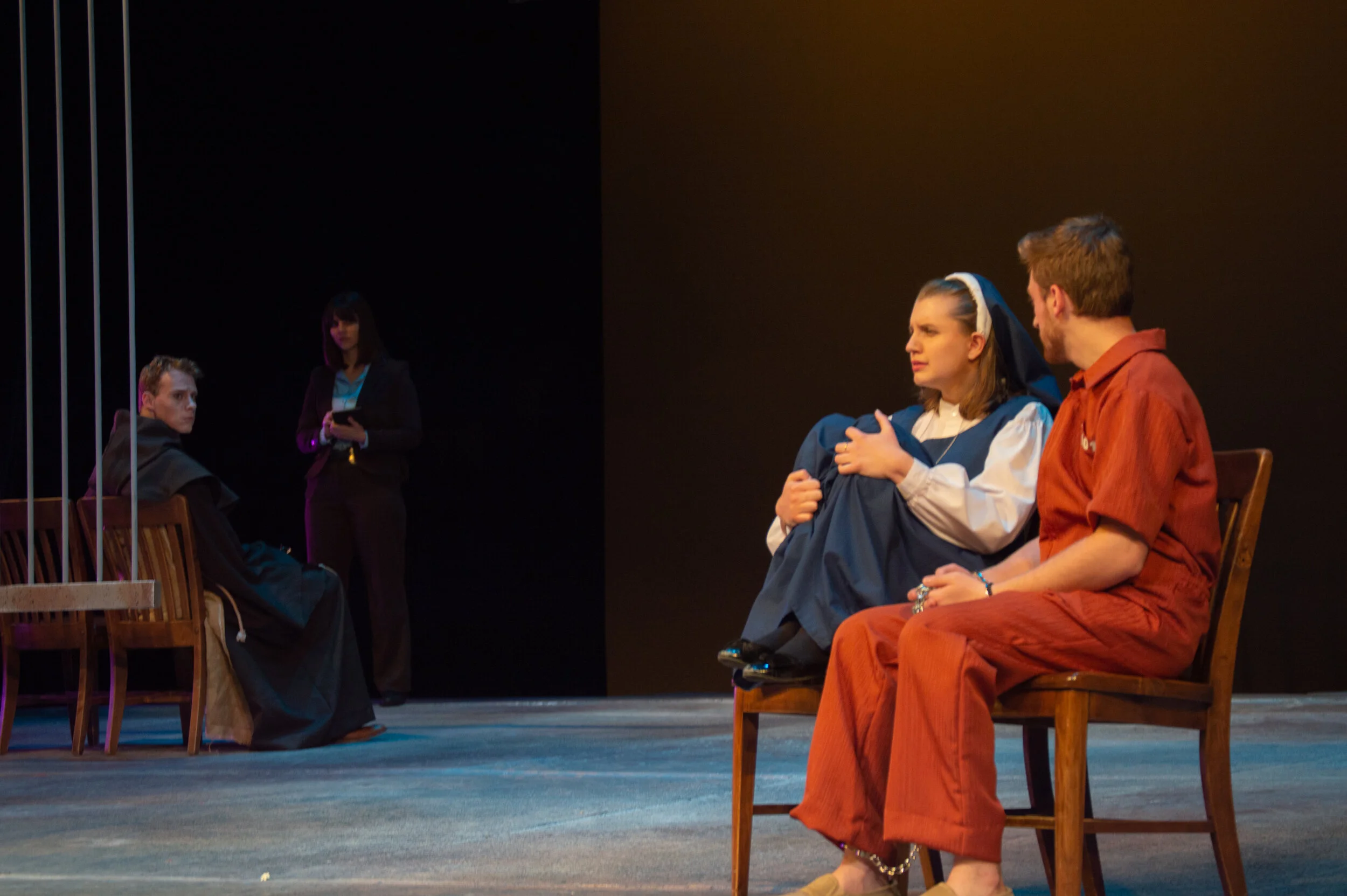
In Measure for Measure, Shakespeare gives us Isabella -- a woman exceptional in her faith, fortitude, and conviction. Over the course of this play, the losses she suffers, the loads she bears, and the inner strength she summons make her a force akin to the giants she oft invokes in imagery. She holds true against overwhelming forces, like Atlas shouldering the world. How can we help but root for her? And when looking at her “response” in the ending moments of the play, it is clear that her power is not derived from the men around her, but from within. She is the reason why I chose this play. The Duke with his machinations and intrigue may be the play’s mastermind, but Isabella is its heart.
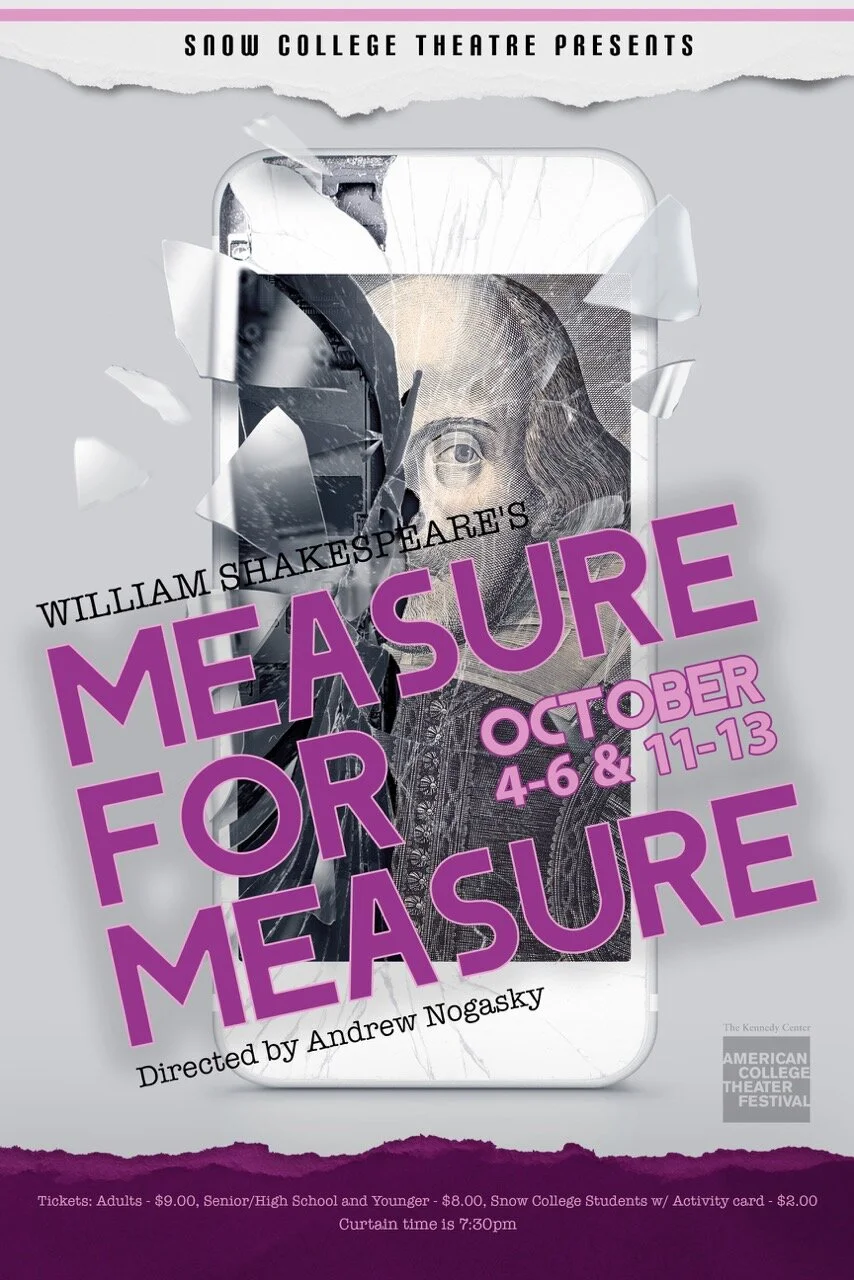
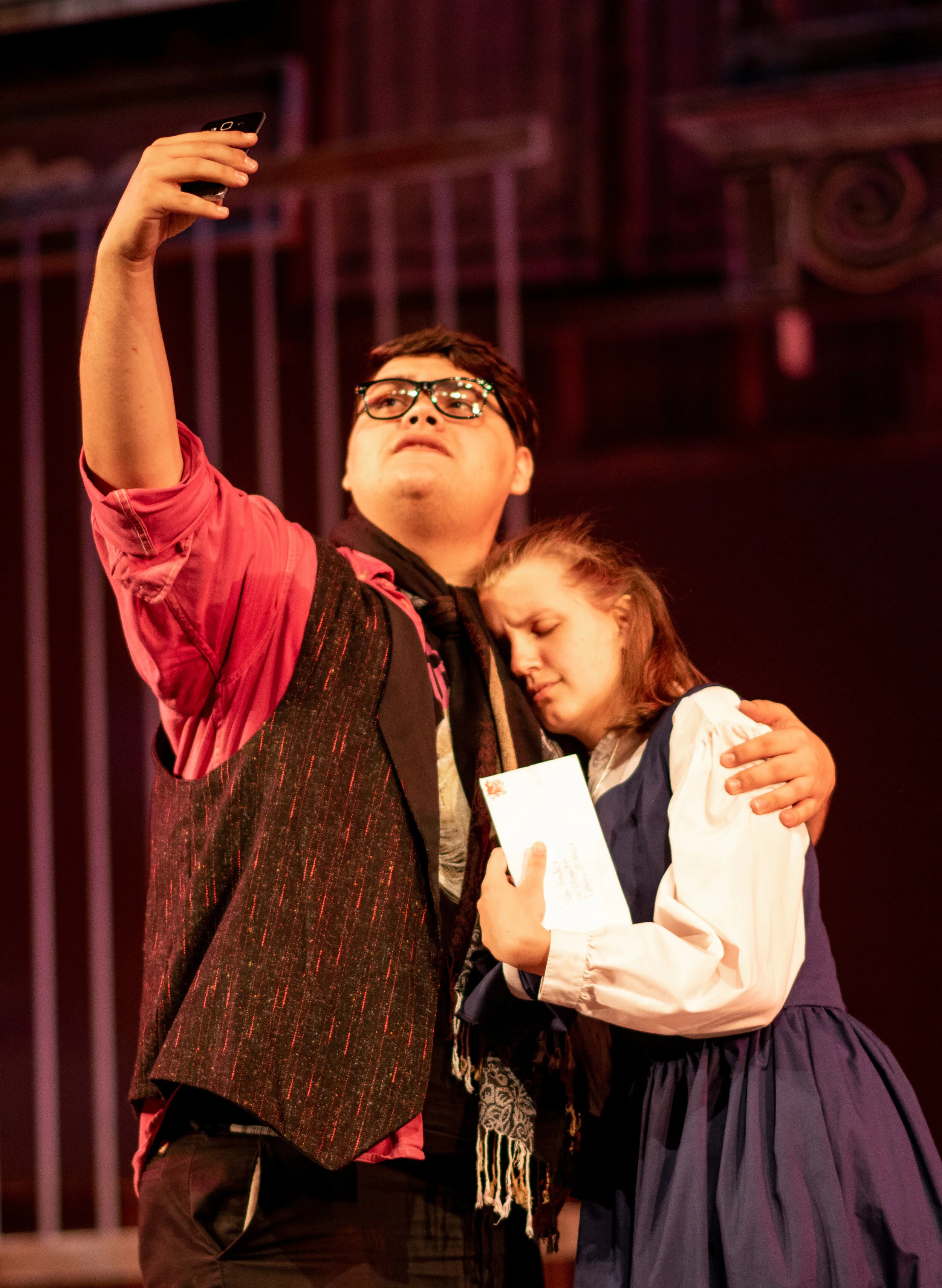
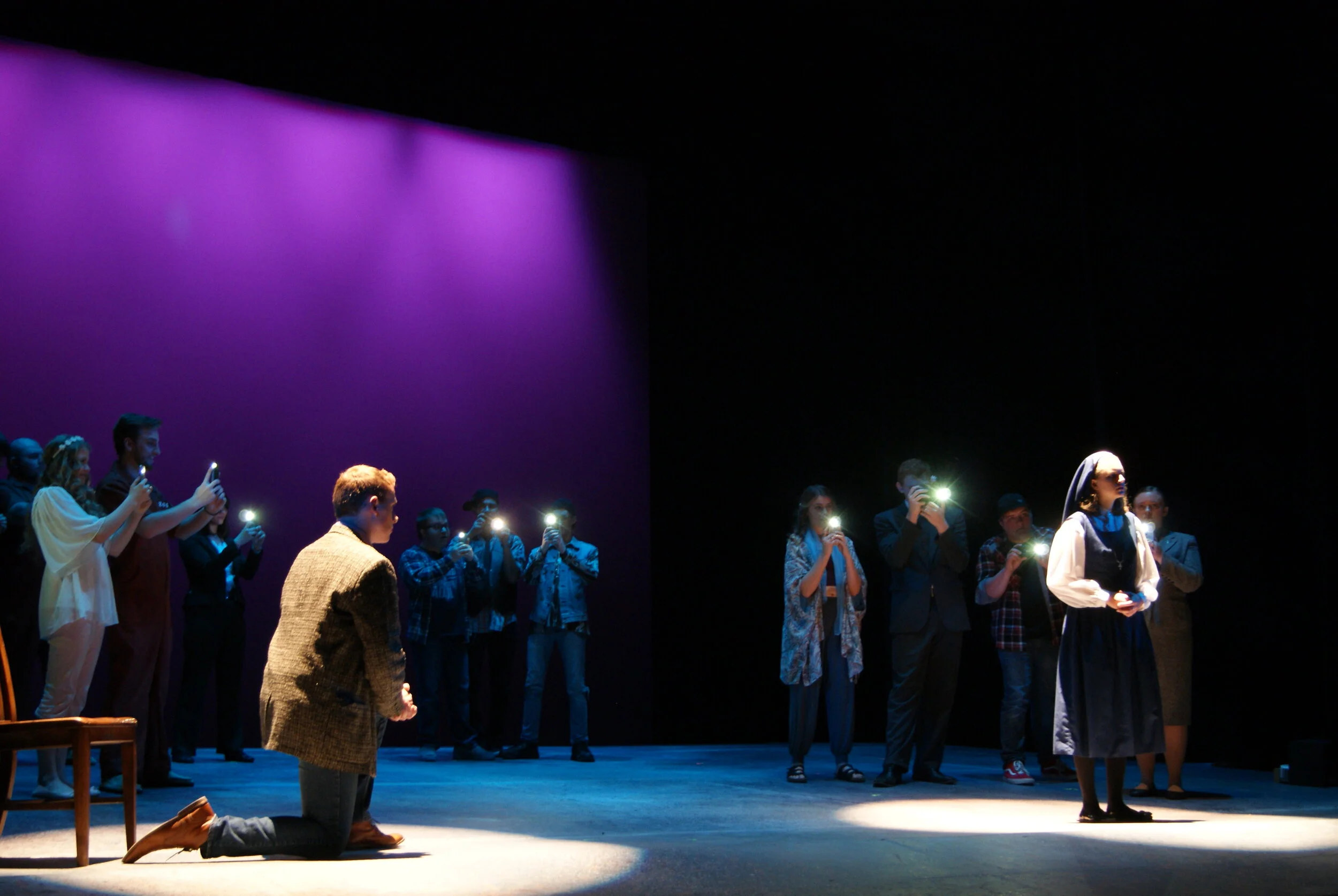
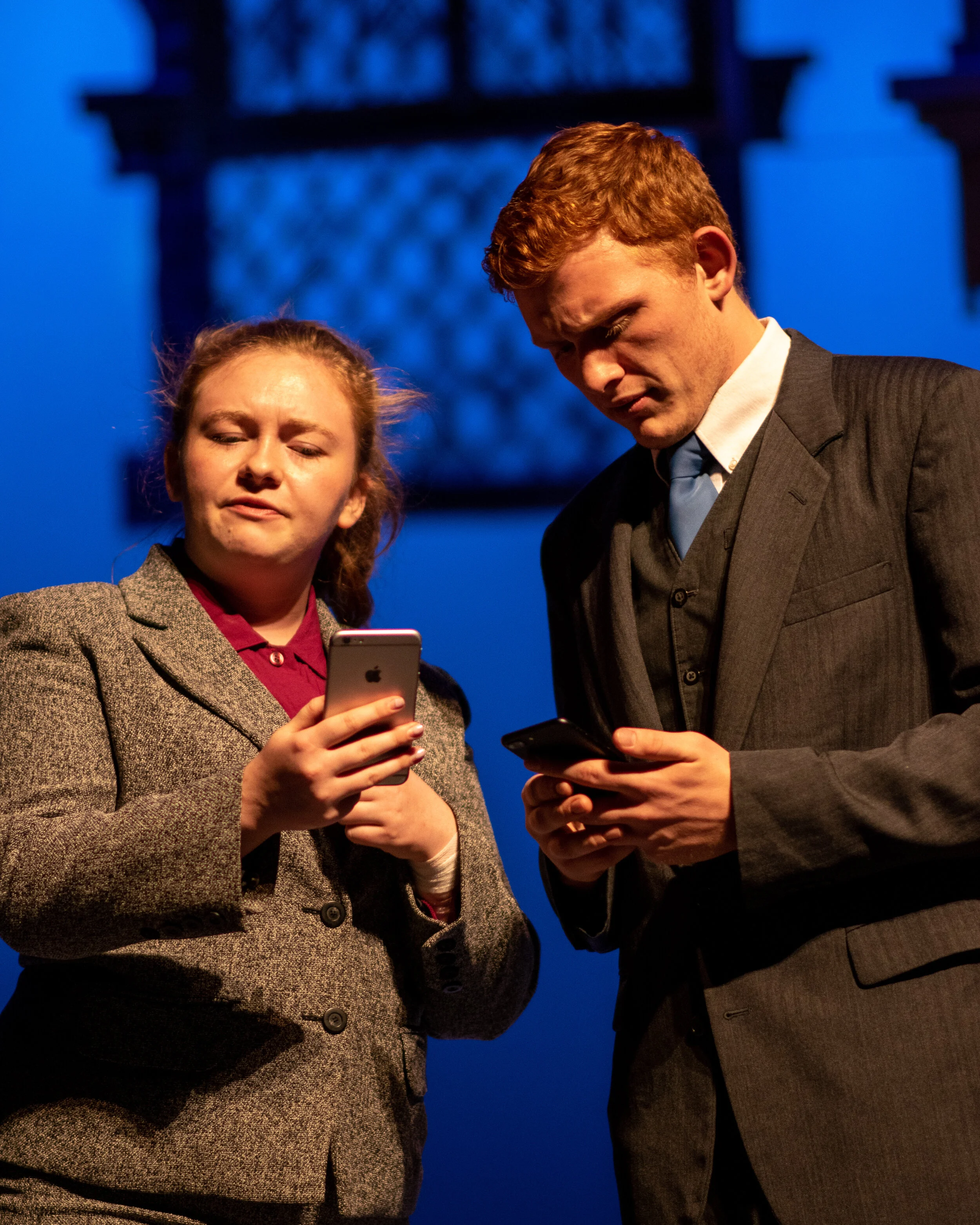
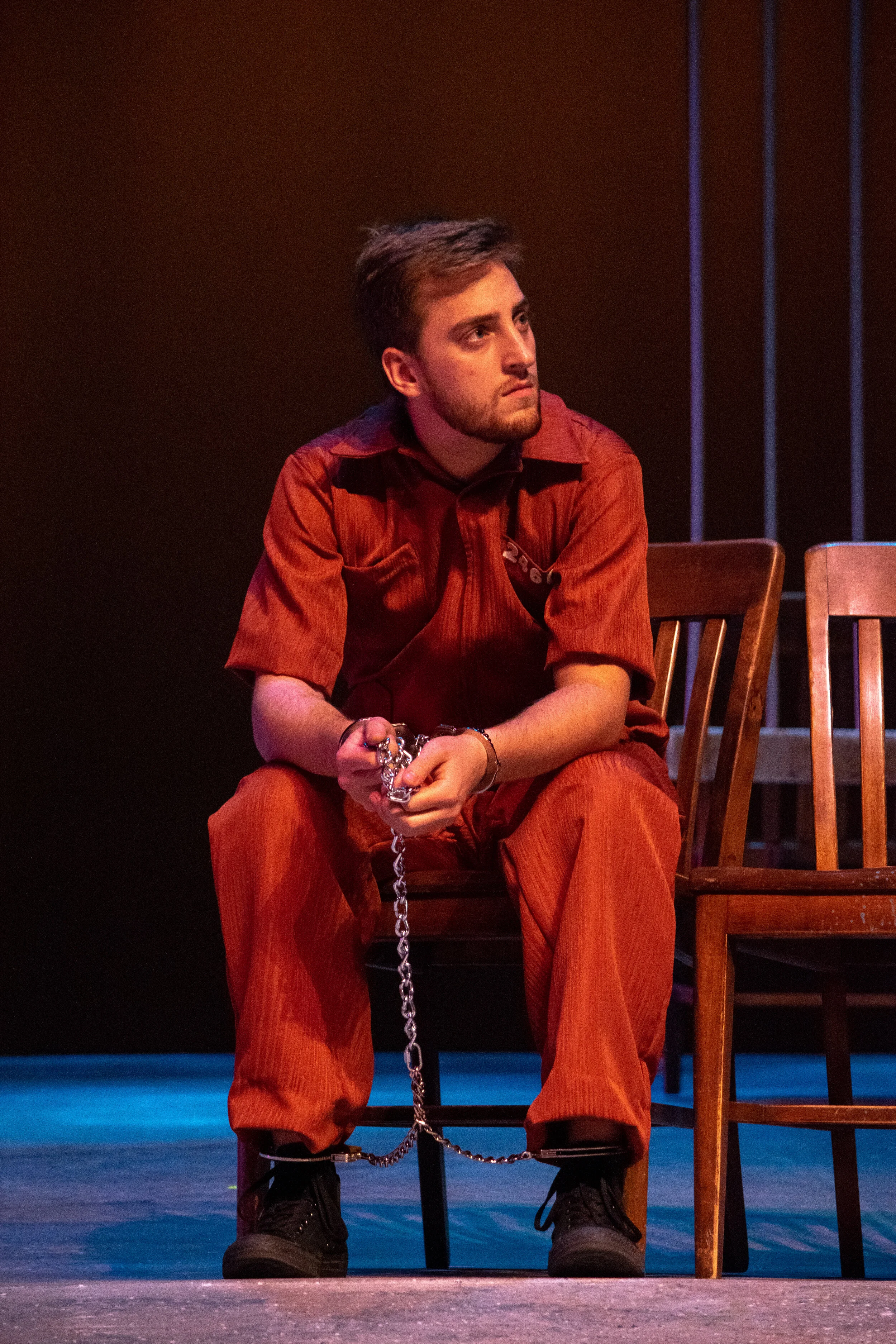
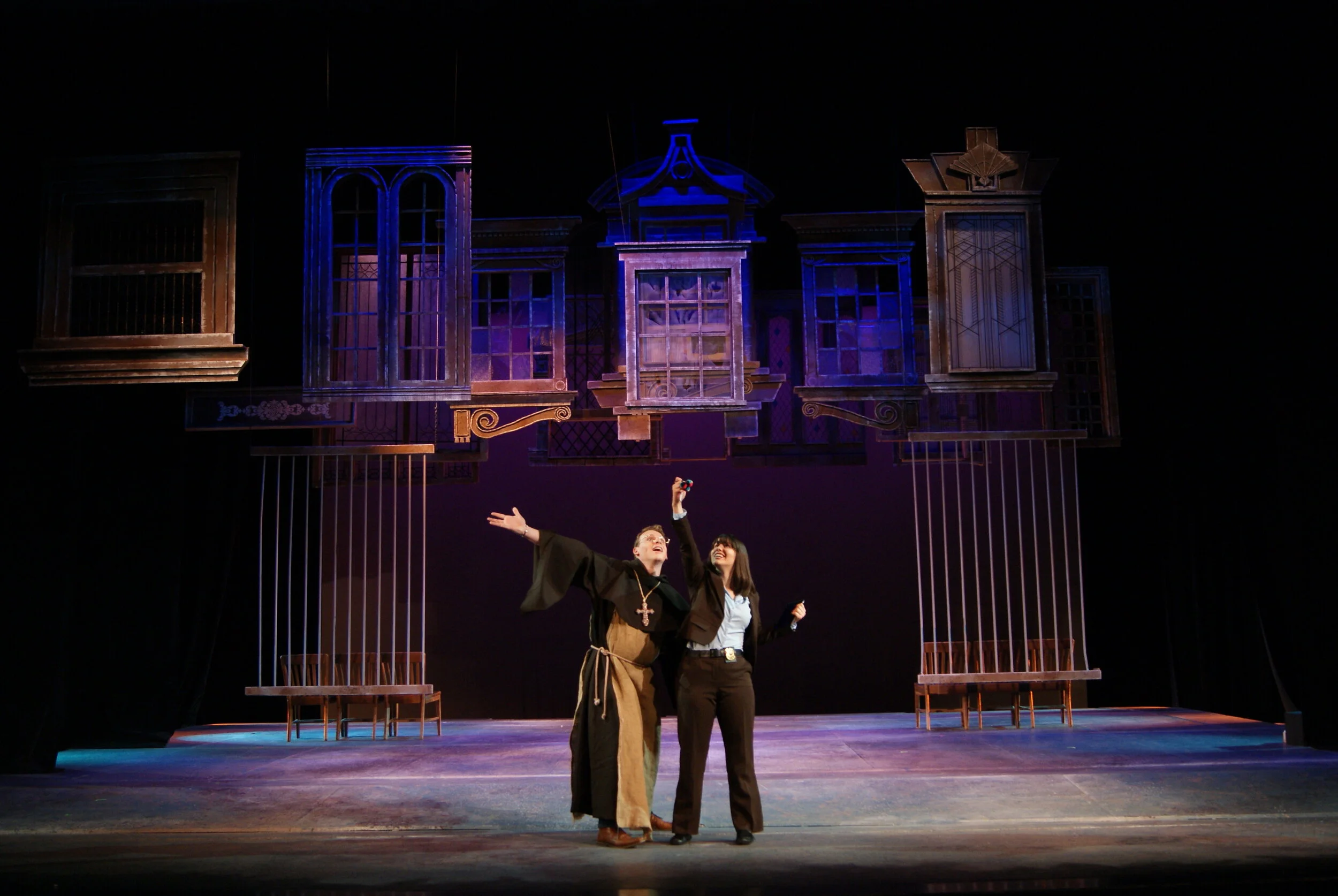
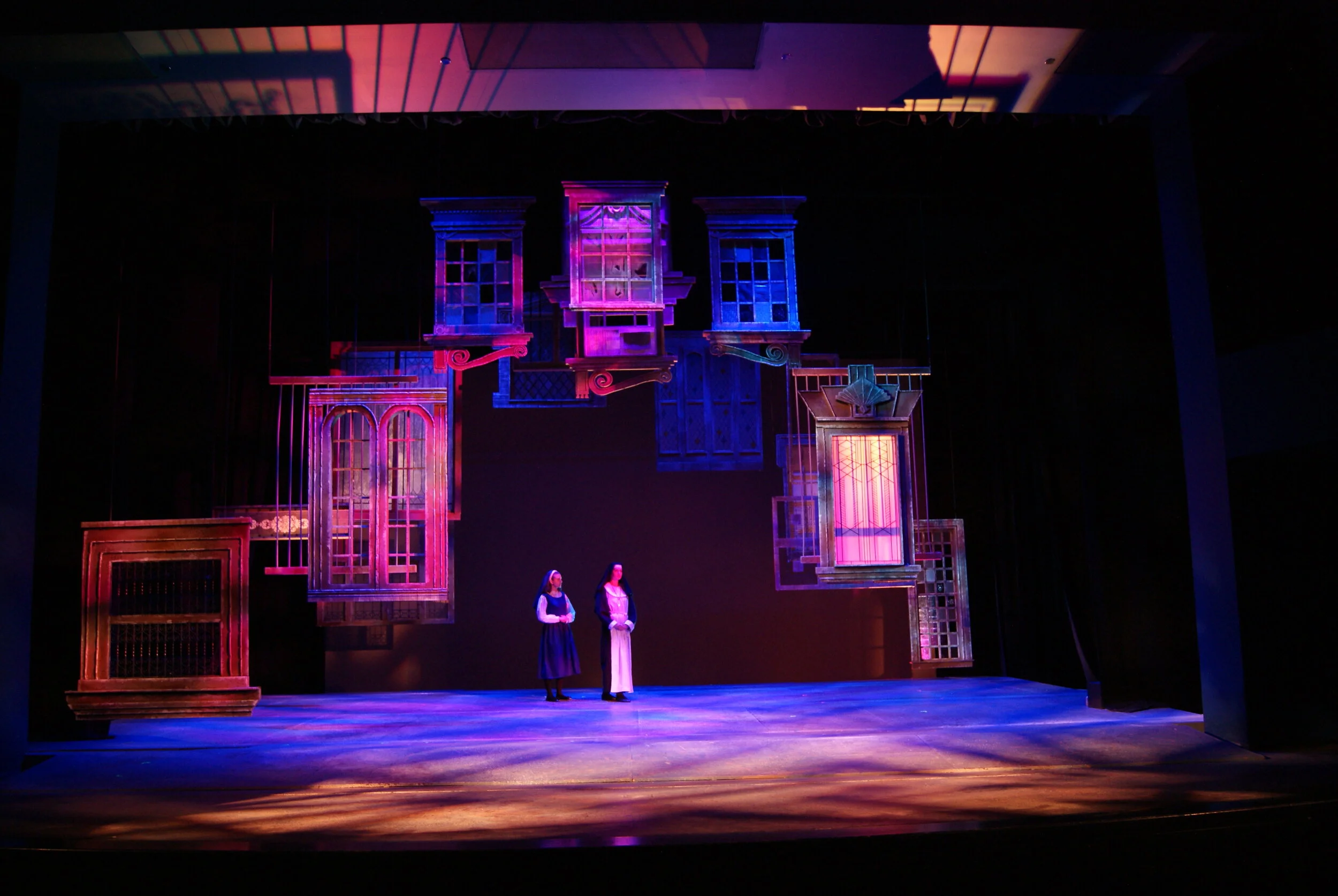
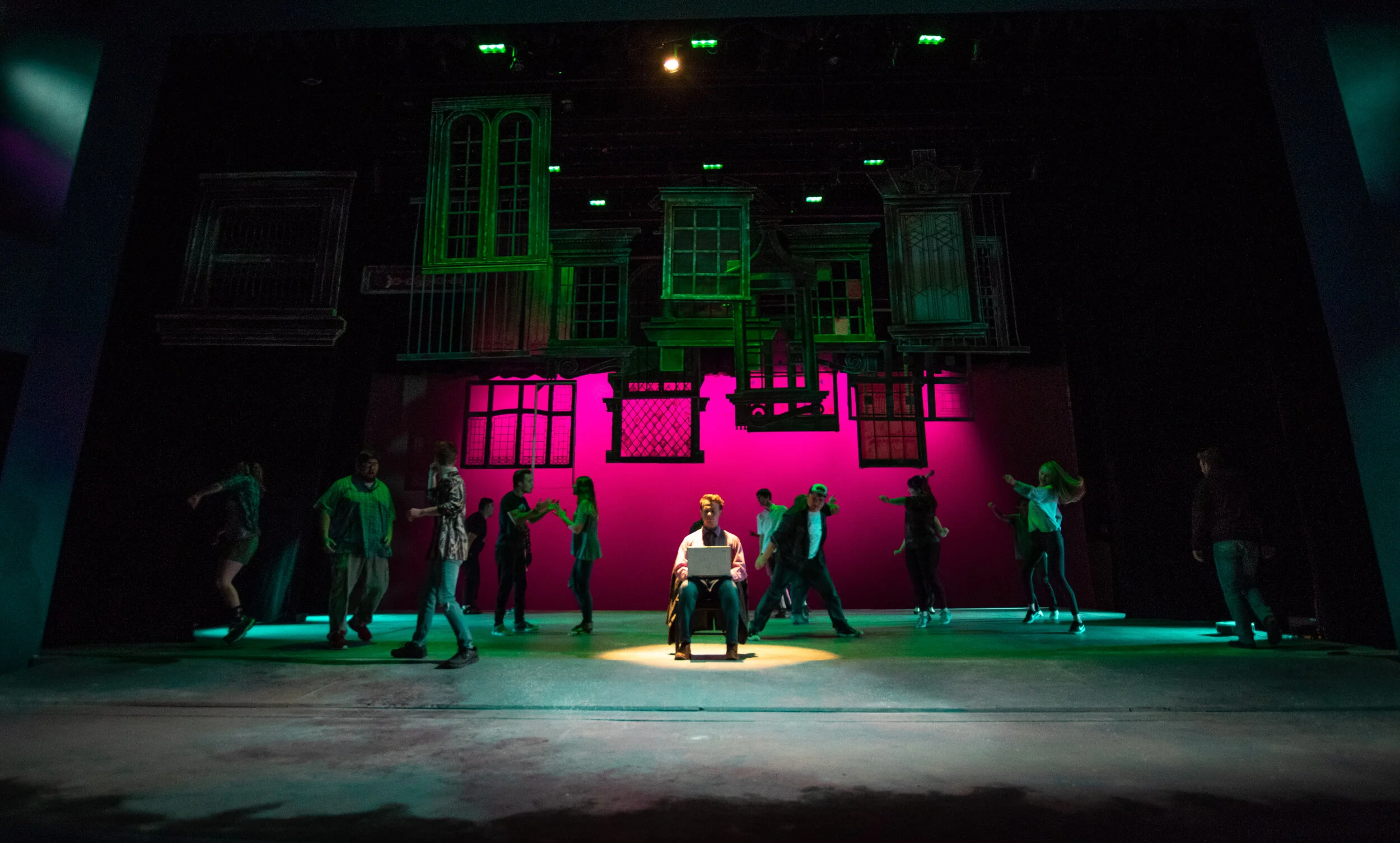
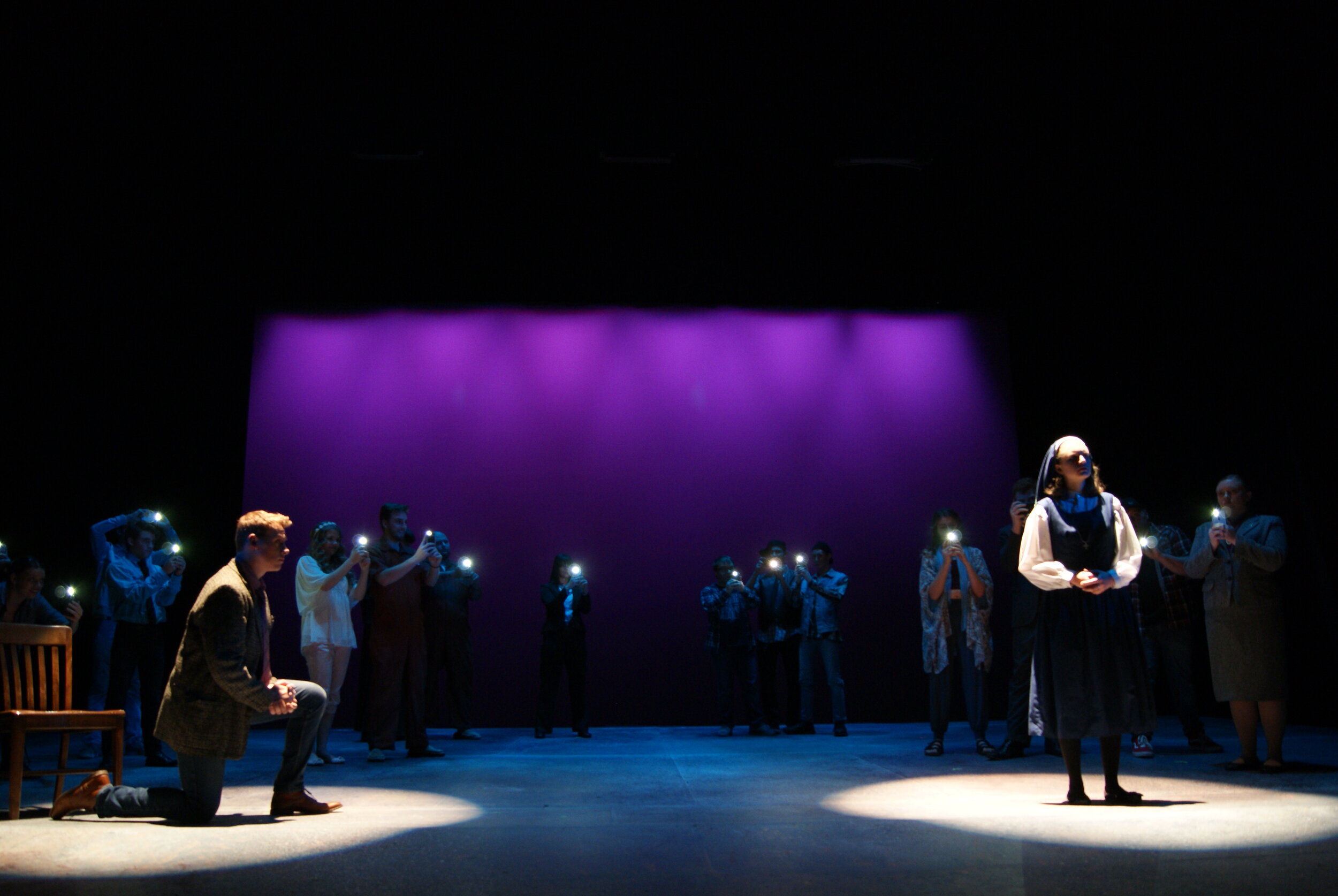
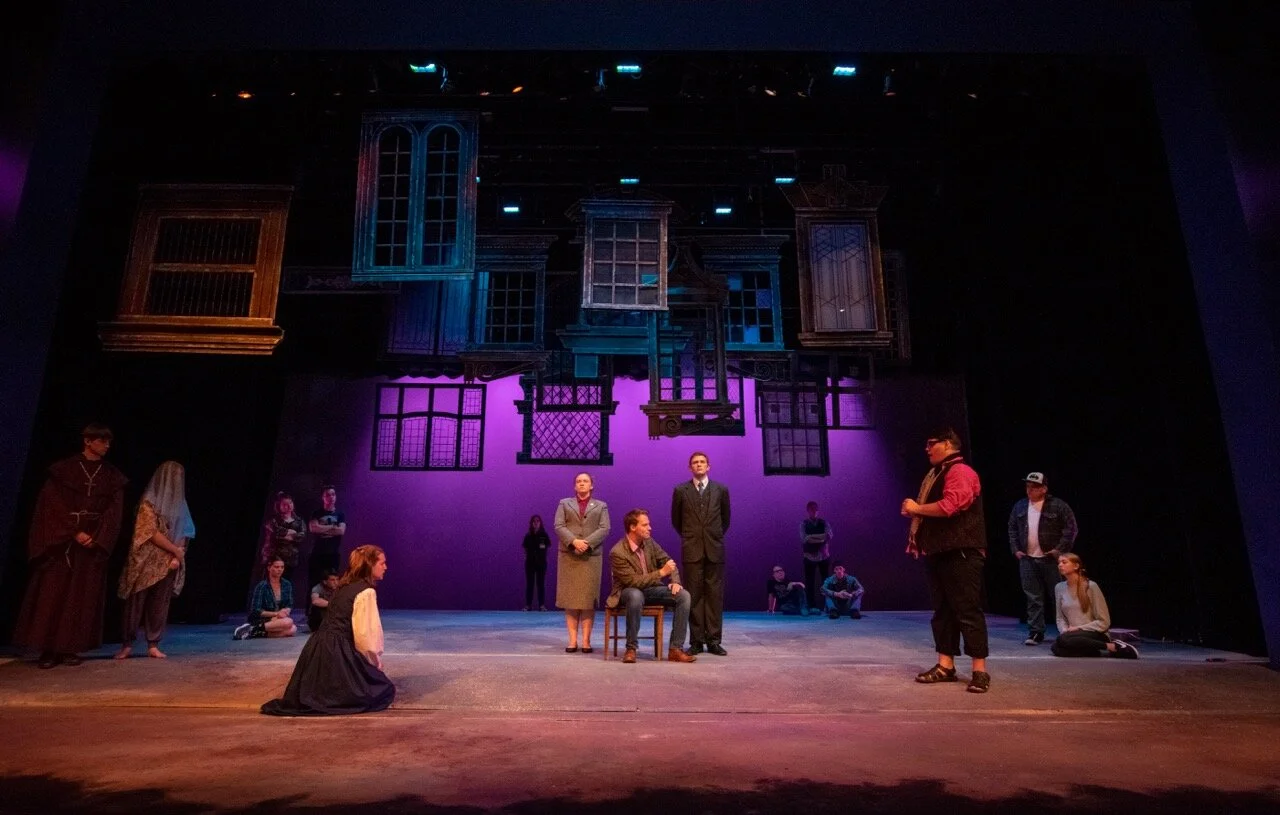
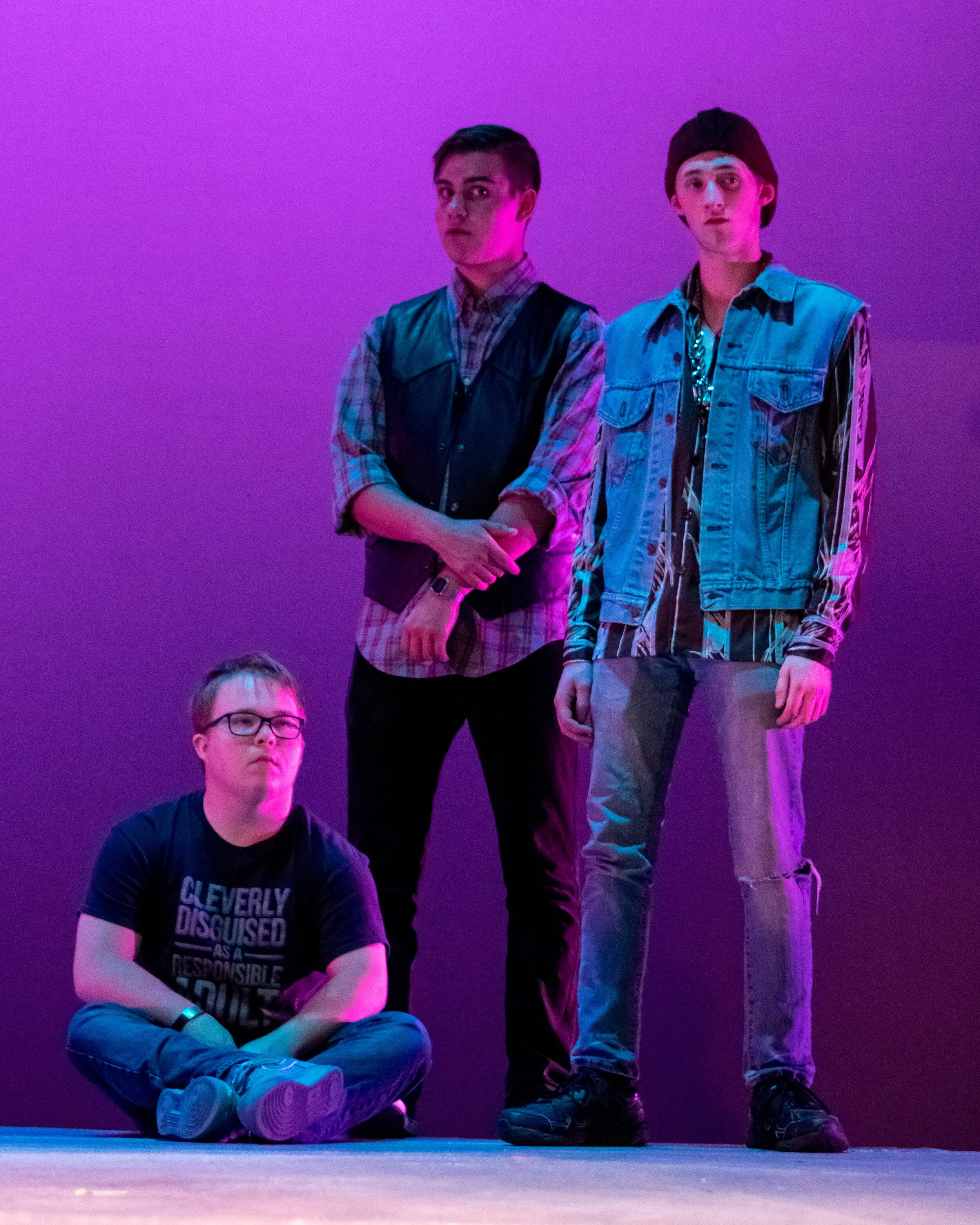
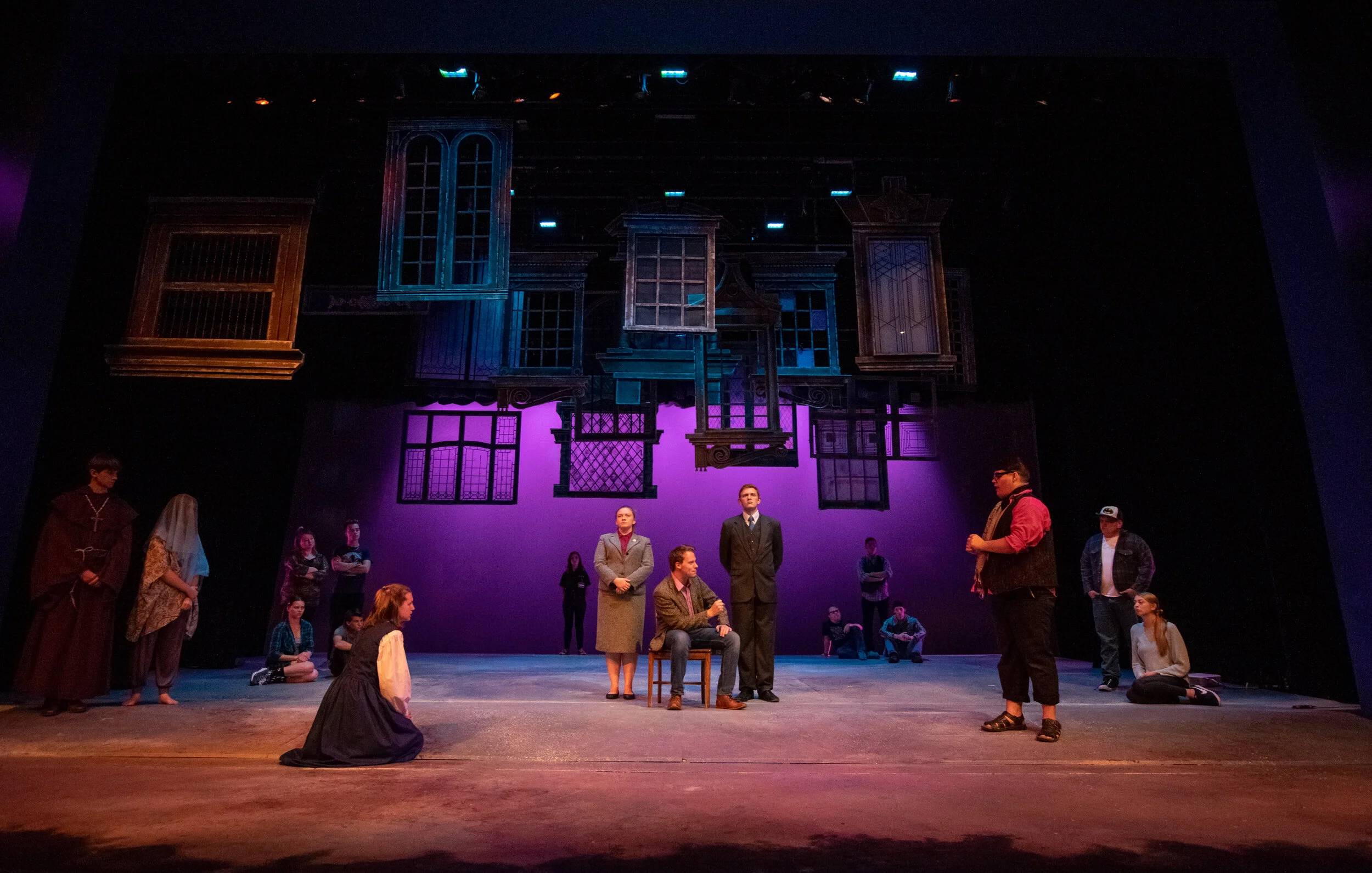
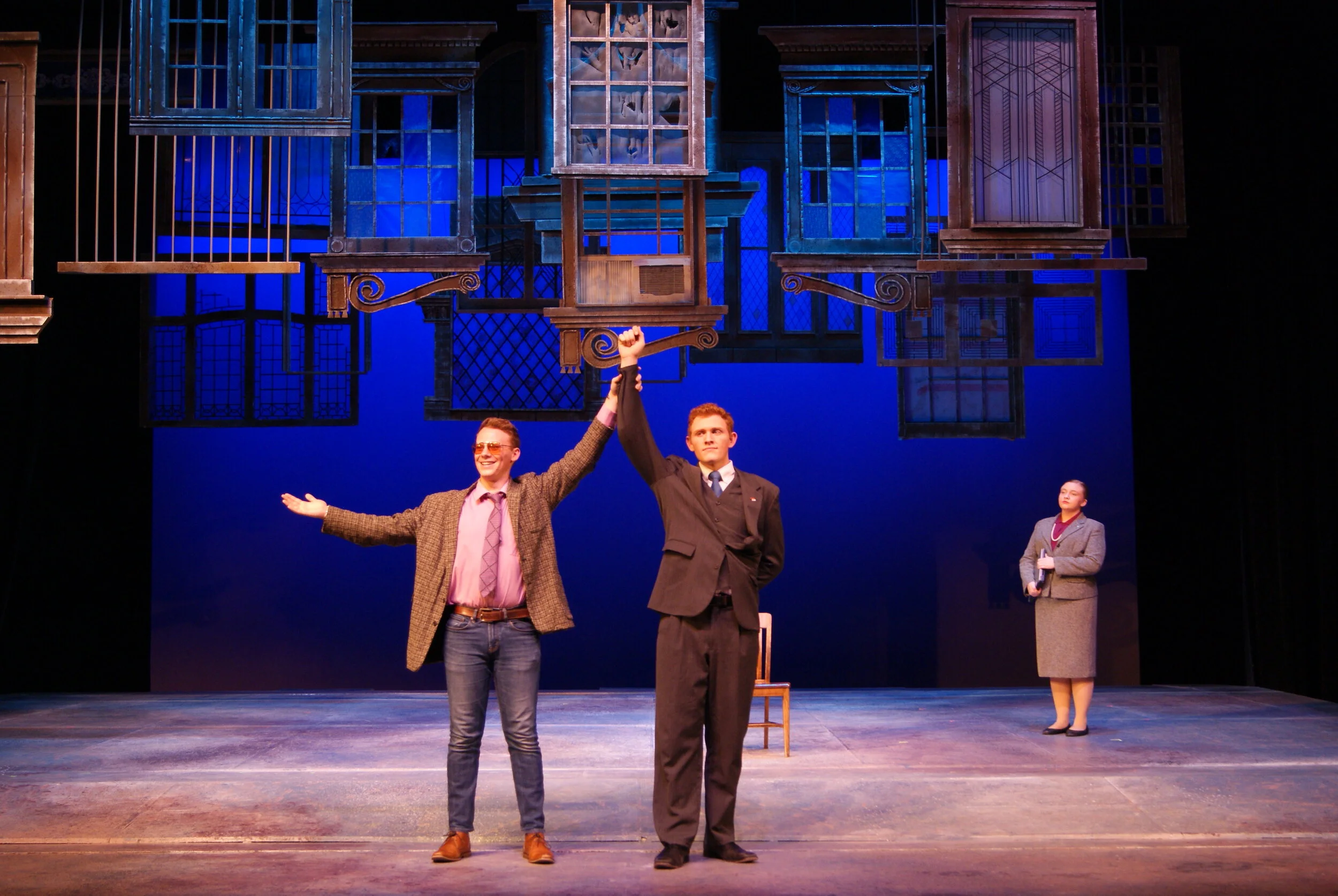
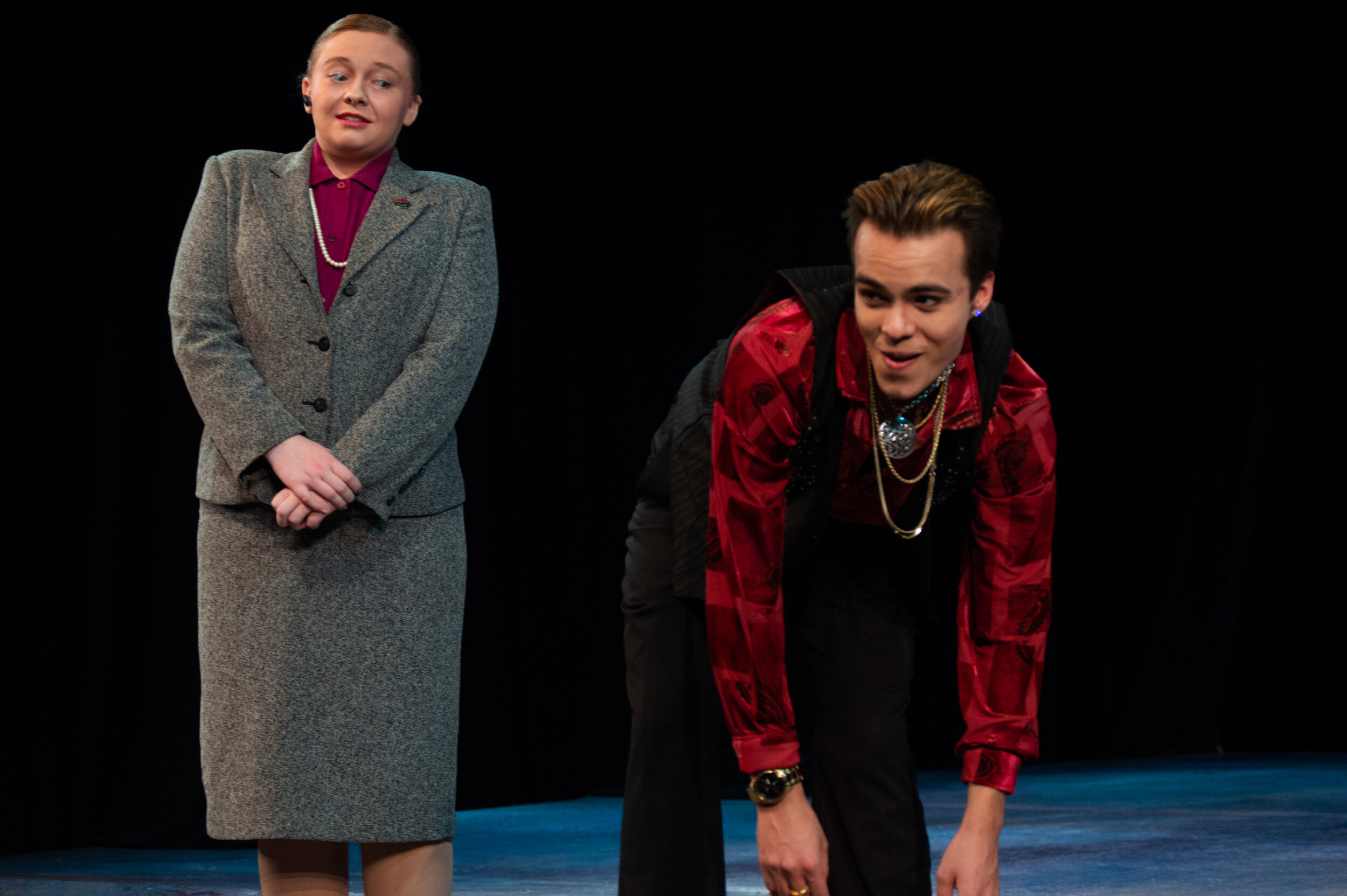
To mention Isabella her without her tribulations is to deny the current relevance of this play. Isabella is Shakespeare’s #metoo heroine. She is a voice crying out against the abuses of a powerful man in a patriarchal society despite intense pressure to be silent. The upsetting tendency of powerful men “dressed in a little brief authority” to use that power to sexually assault women is a fact we are still grappling with today, and I chose to set Measure for Measure in today’s world to help us reflect upon whether “[their] false overweighs [a woman’s] true” when we hear stories of moguls, entertainers, and politicians abusing their power. In presenting this play, I hope to share with you all the strength Isabella embodies despite her ordeals, and I hope to add her voice to our thoughts about our world.
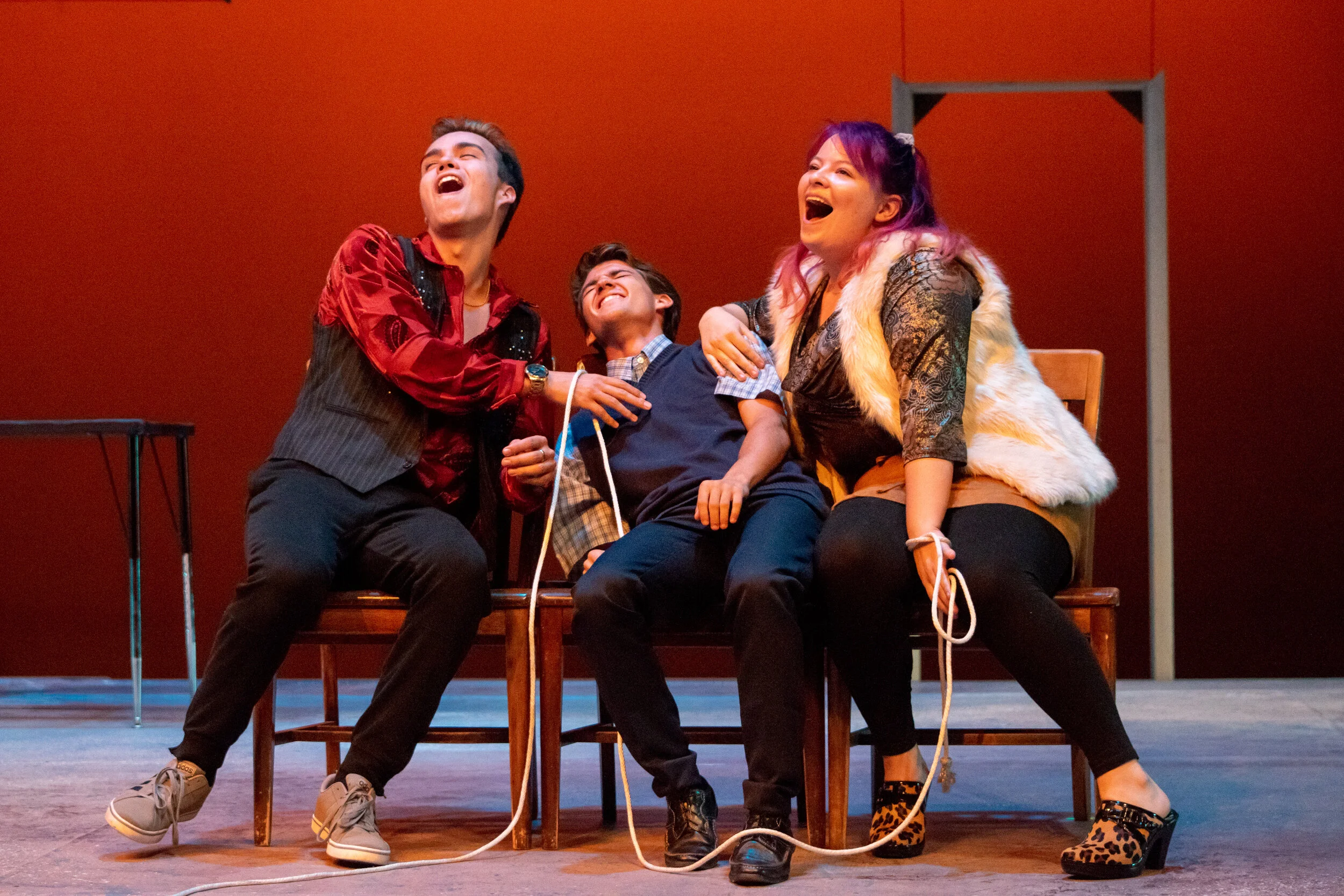
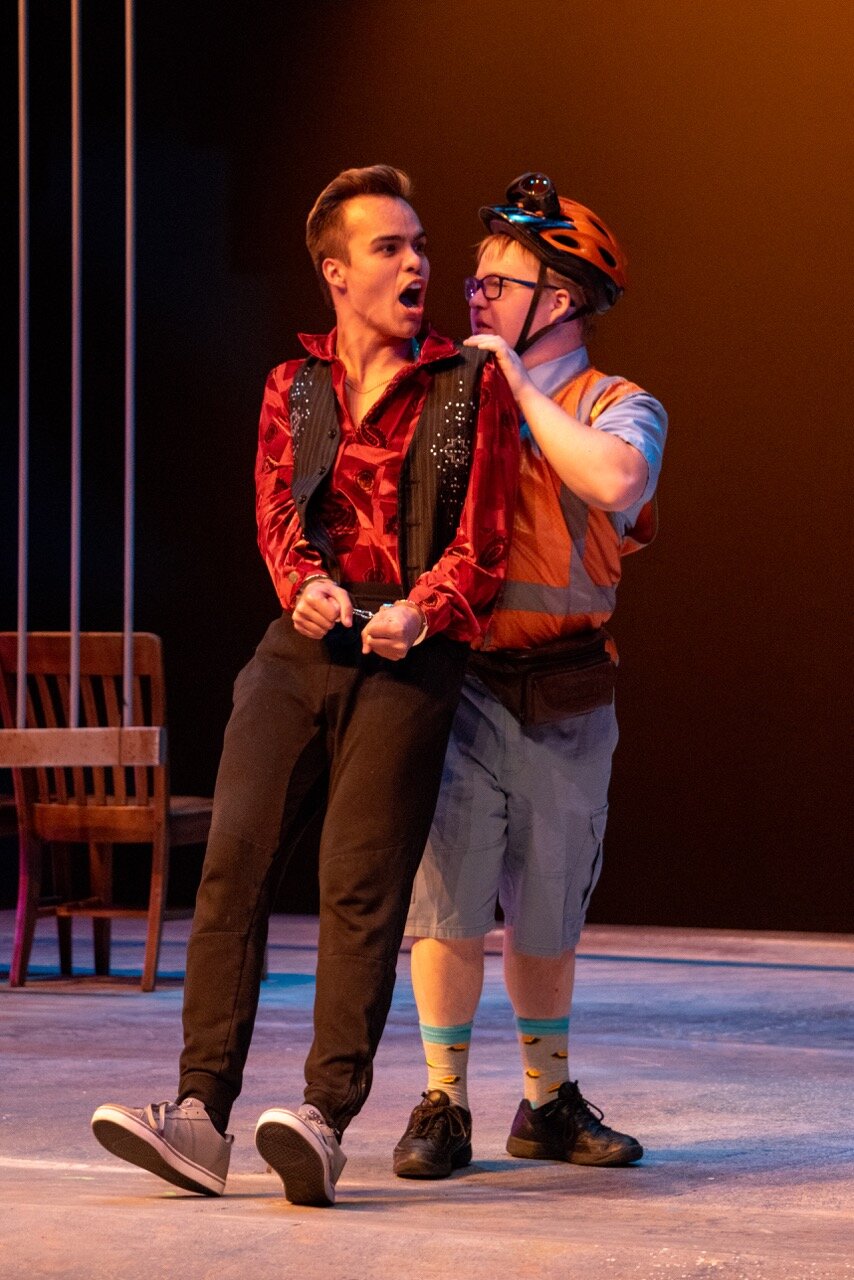
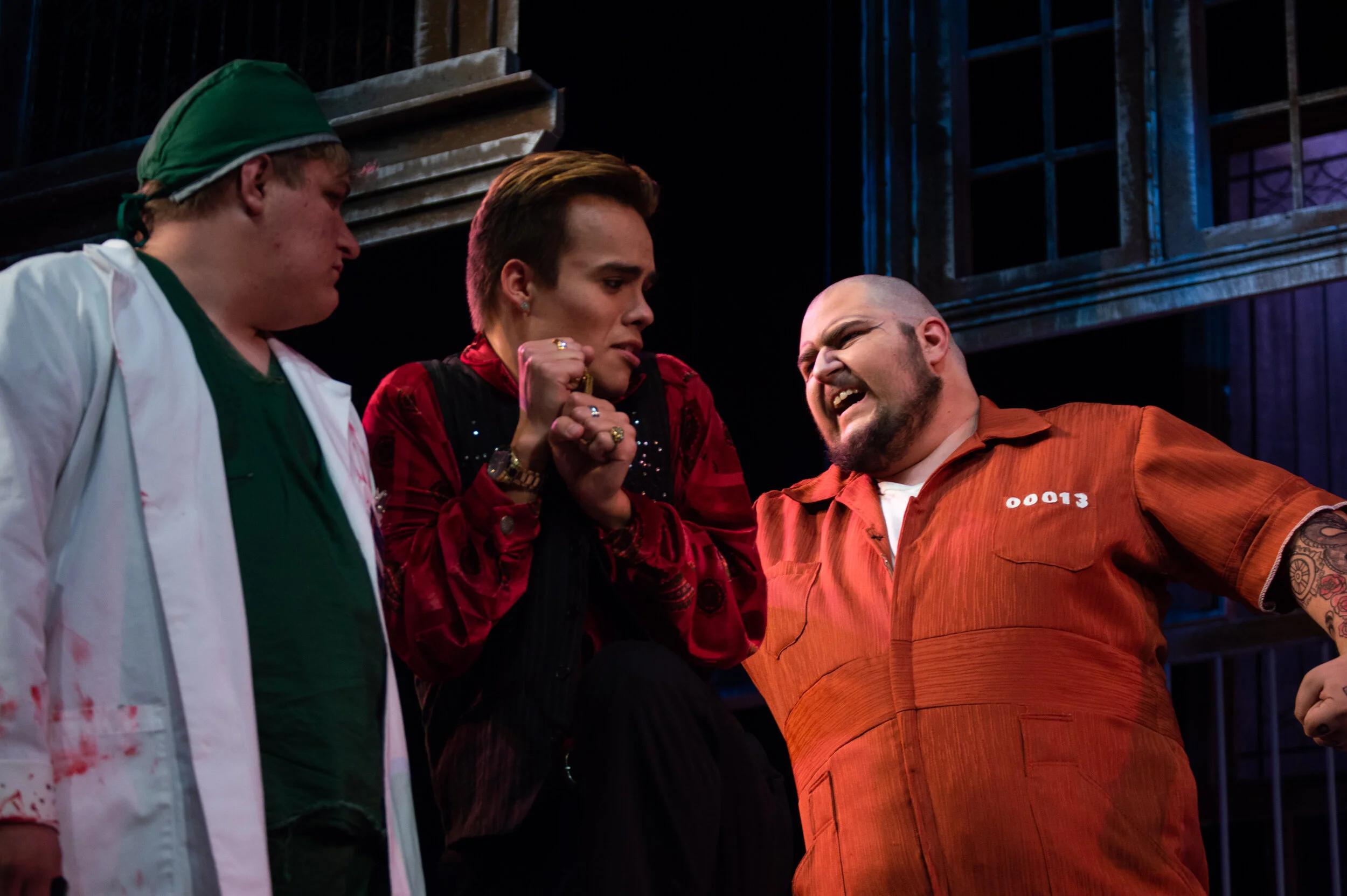
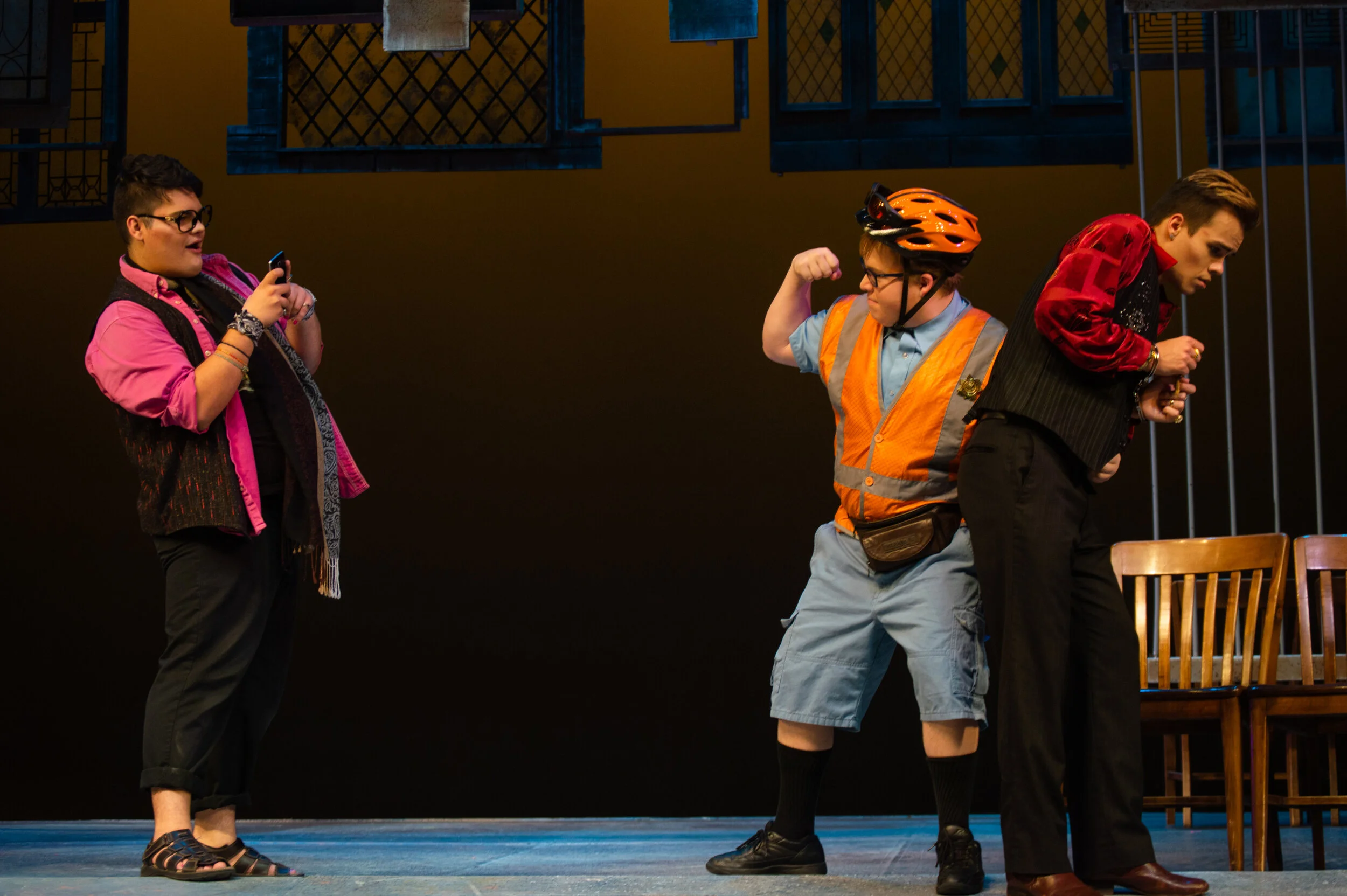
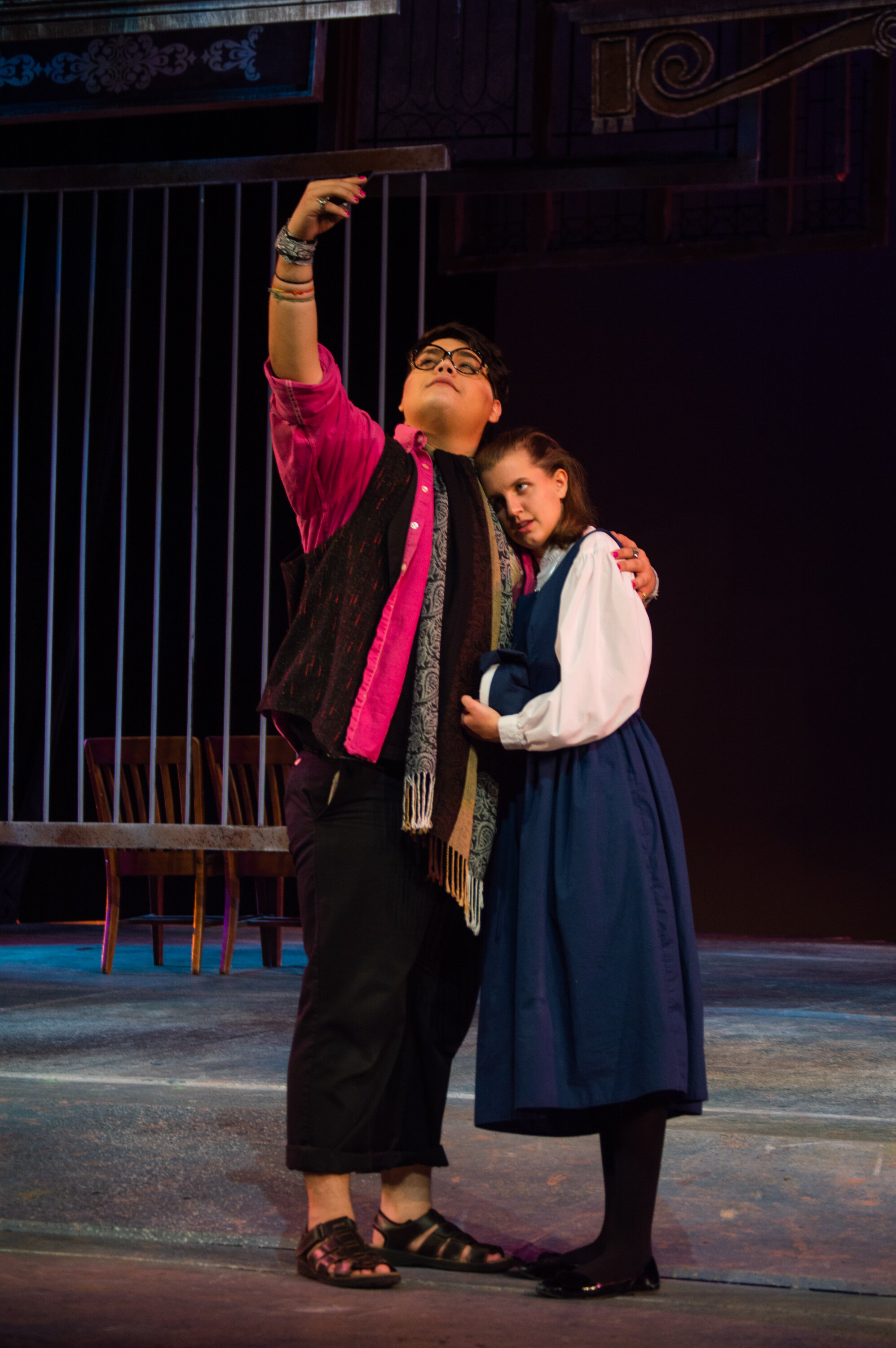
But make no mistake: despite the abuses it explores, Measure for Measure was written by Shakespeare as a comedy. The juxtaposition of silly jokes with gut-wrenching predicaments can be confusing and upsetting to us today. Some directors address this by downplaying the comedic aspects of the play and emphasizing only its pathos. While I appreciate and understand that choice, I have not done so. I believe that the comic aspect of this play is what delivers one of Measure for Measure’s most important messages: abuses like those suffered by Isabella happen everywhere. This happens in happy “safe” places. It happens and people go on laughing. Abuse happens in comedies, too. Measure for Measure has to be a comedy because that allows its message to hit all the harder. It has to be a comedy because that’s where Shakespeare gives the most strength to women. And it has to be a comedy because -- well, otherwise it may be too much for us right now.
I leave you with arguably one of the best pieces of advice Shakespeare has ever given in his plays. Advice from this play. Advice that still rings true. Advice that needs spoken more and more today and tomorrow:
Our doubts are traitors and make us lose the good we oft might win in fearing to attempt.
Lucio, Measure for Measure, Act I Scene 4.
Credits
Written by William Shakespeare
Director: Andrew Nogasky
Assistant Director: Gavin Rouska
Scenic Designer: Milinda Weeks
Costume Designer: Kathleen Hansen
Lighting Designer: Milinda Weeks
Assistant Lighting Designer: Dean Bressler
Sound Designers: Ben Harris, Rose Bond, Matt Campanella, Dominique Chavez, Riley Davis, Hunter Flick, Javan Gurney, Alexandria Leonard, Joseph St. John
Projections Designer: Jordyn Fail
Technical Director: Trent Bean
Choreographer: Dmitri Peskov
Music by: Michael Morrise
Photos provided by: Milinda Weeks, Taylor Stewart