Director’s Note
This is a play of transformation, on both individual and social levels. A Midsummer Night’s Dream is not only about its titular slumber, but perhaps even more importantly, explores awakenings and seeing things anew, with fresh eyes and refreshed perspective. With that in mind, it comes as no surprise that many directors have chosen to set this story in times of historic change, when the world opened up to new freedoms and ways of thinking.
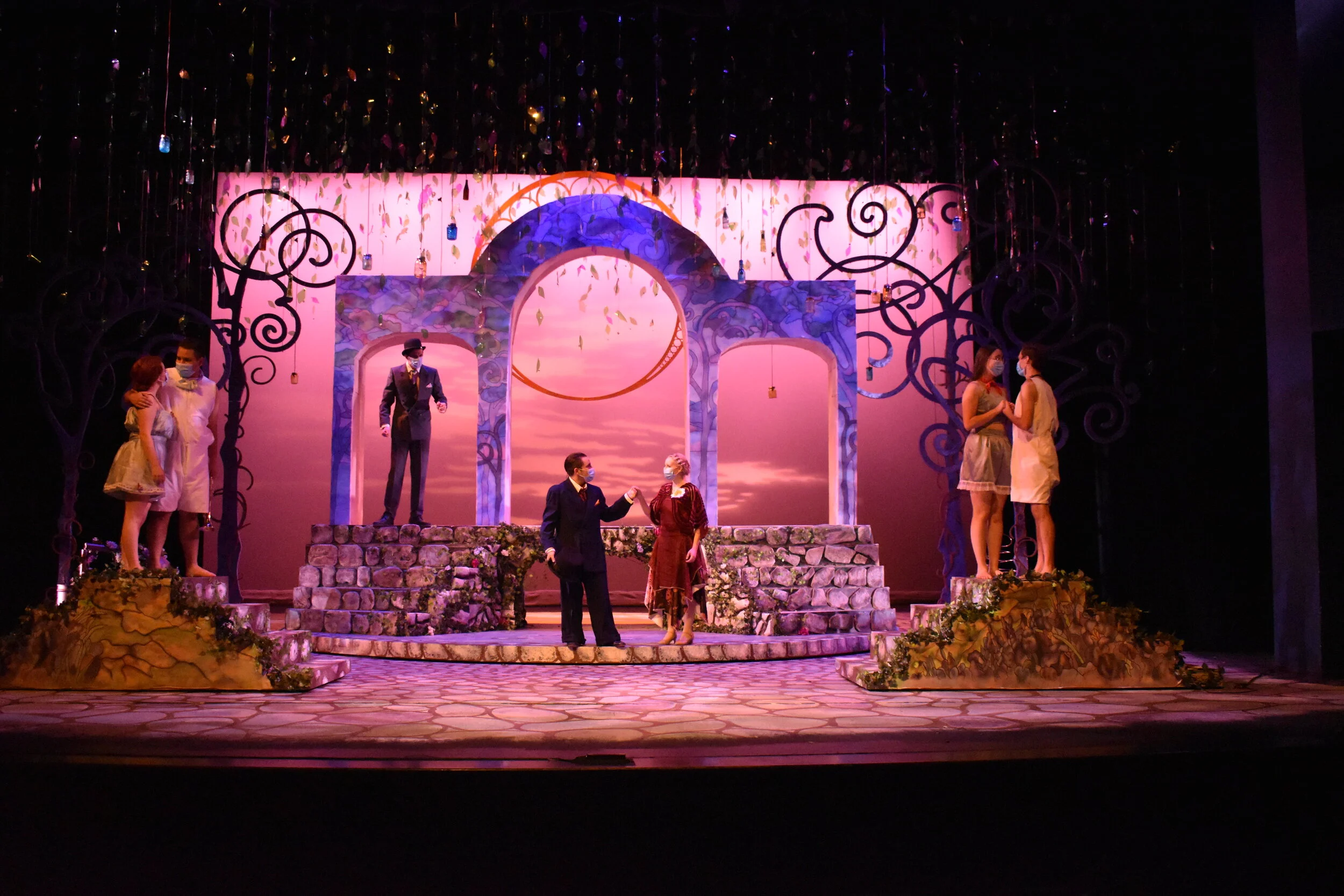
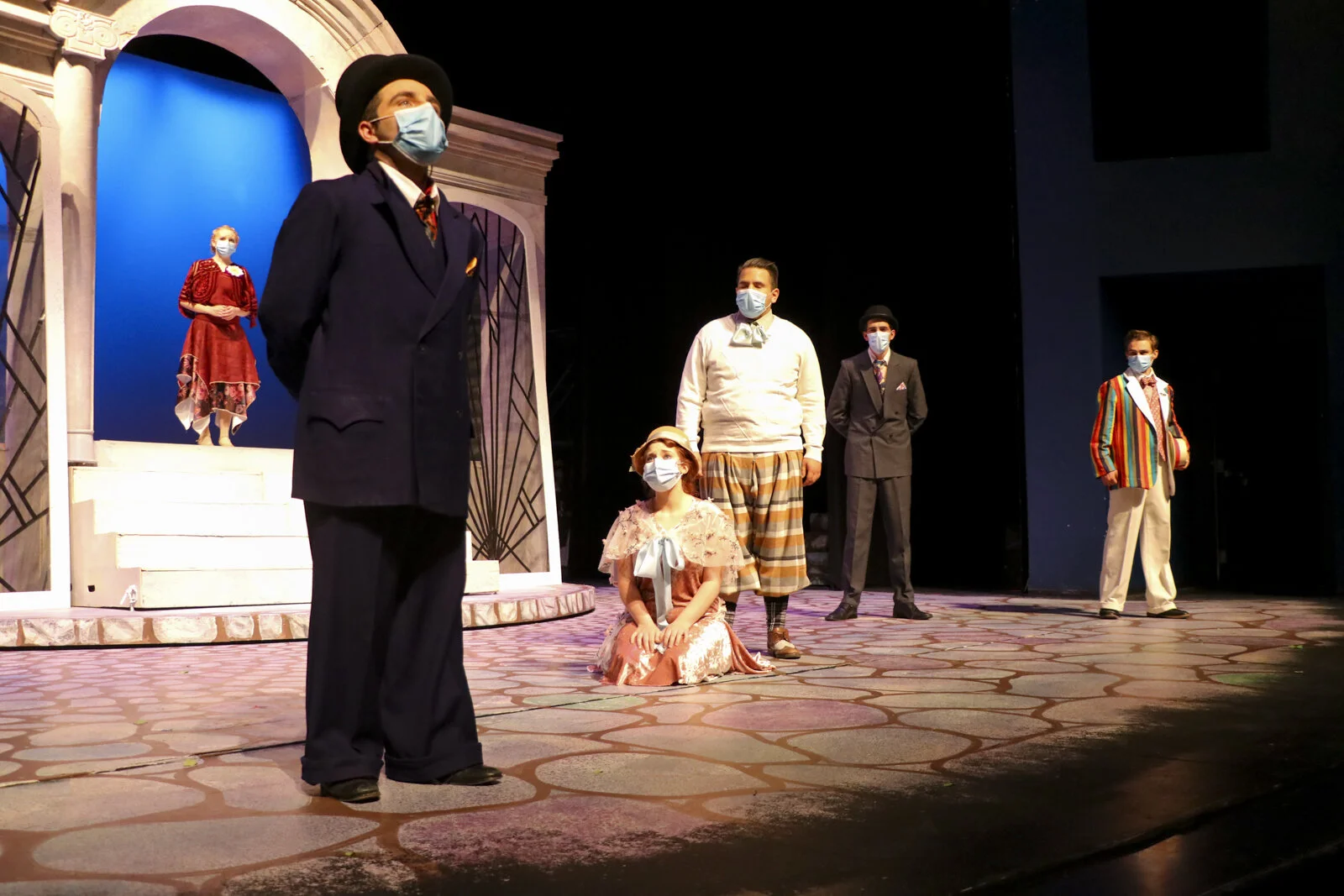
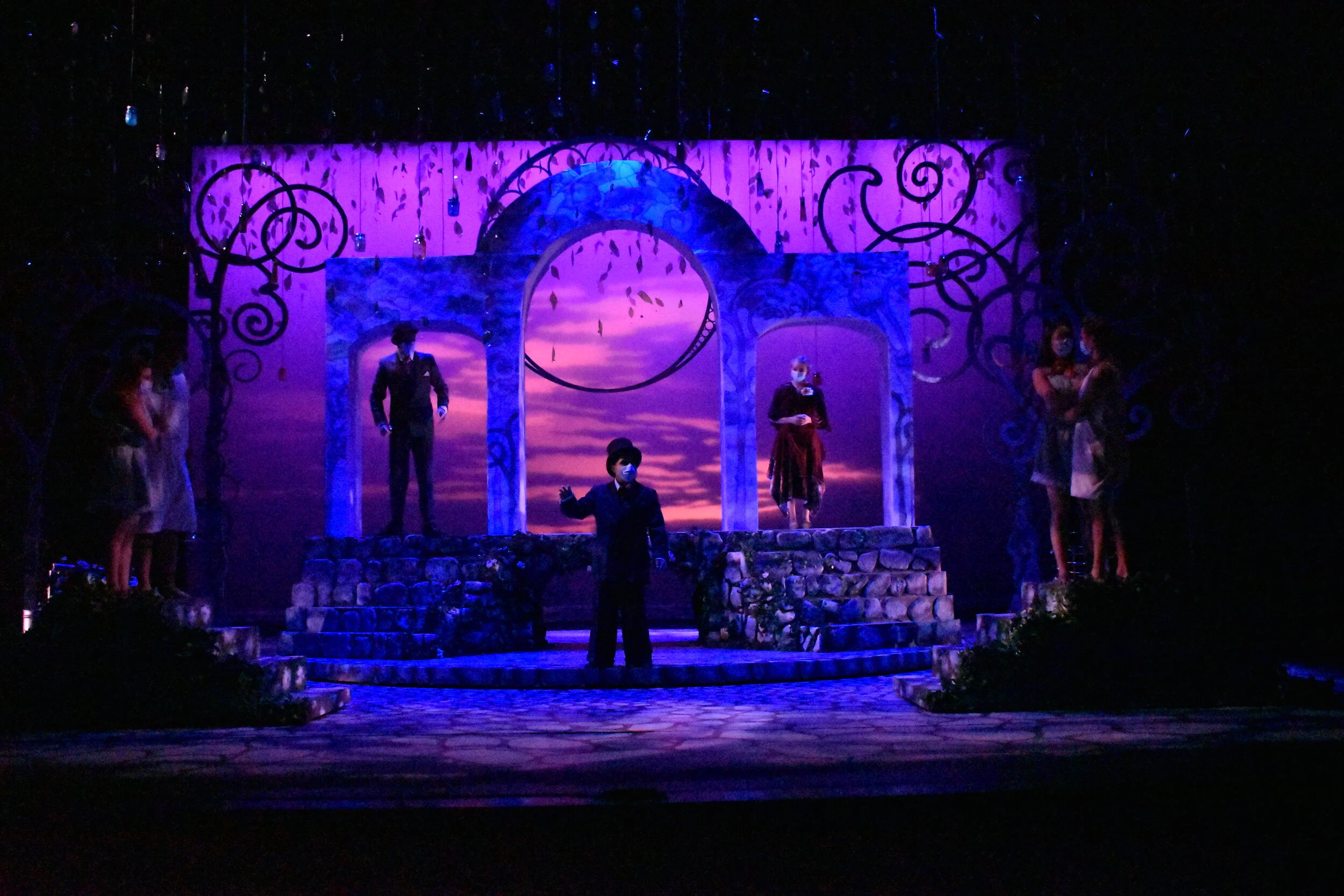
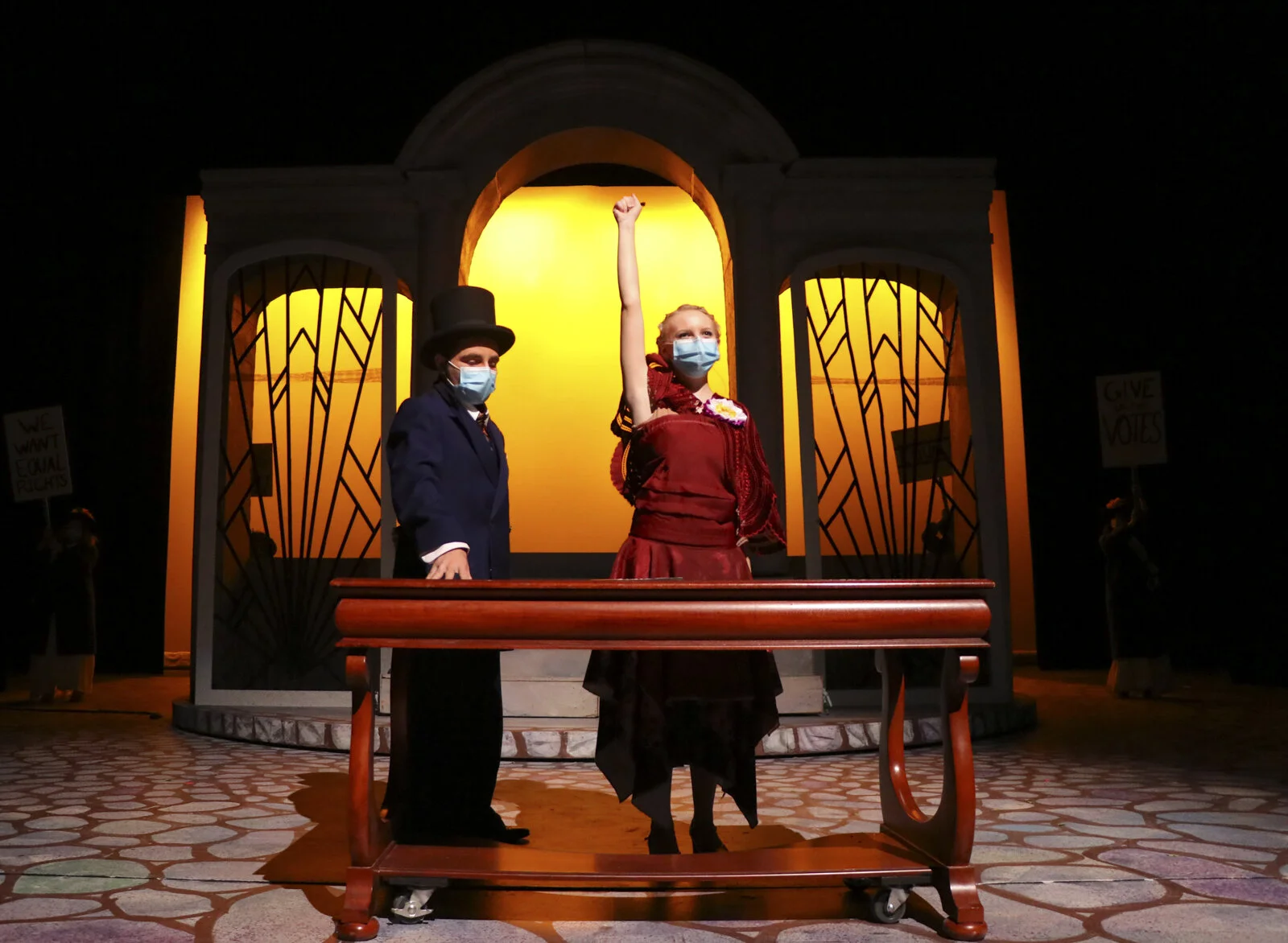
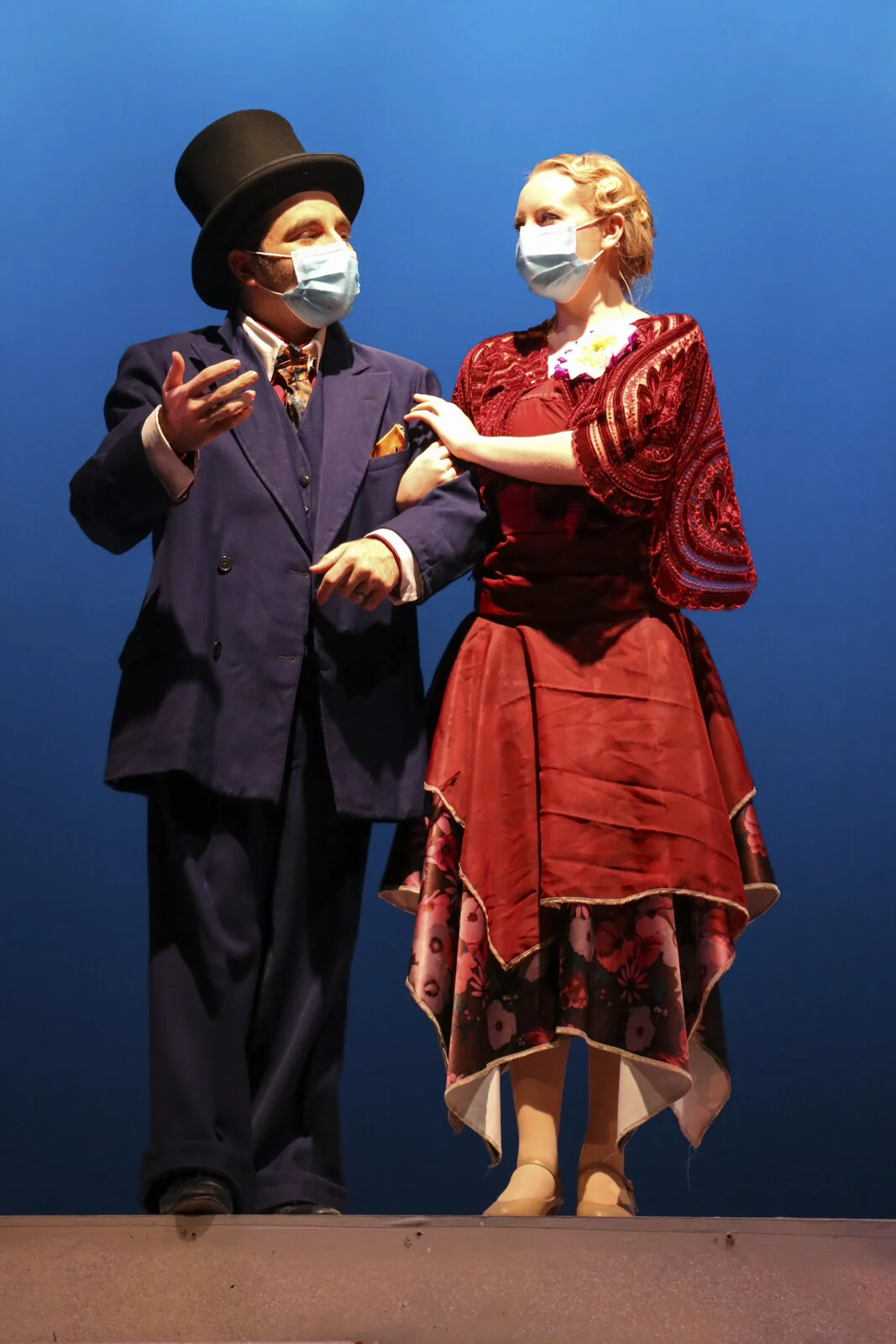
I have chosen to set this production in the America of the 1920s, when this nation was in the process of reimagining of itself and expanding its concept of democracy. With 19th amendment to the Constitution, women were given the right to vote. But women’s suffrage was but a step in our progress toward realizing a more perfect union which includes all voices, all peoples, and all perspectives. We continue that work today.
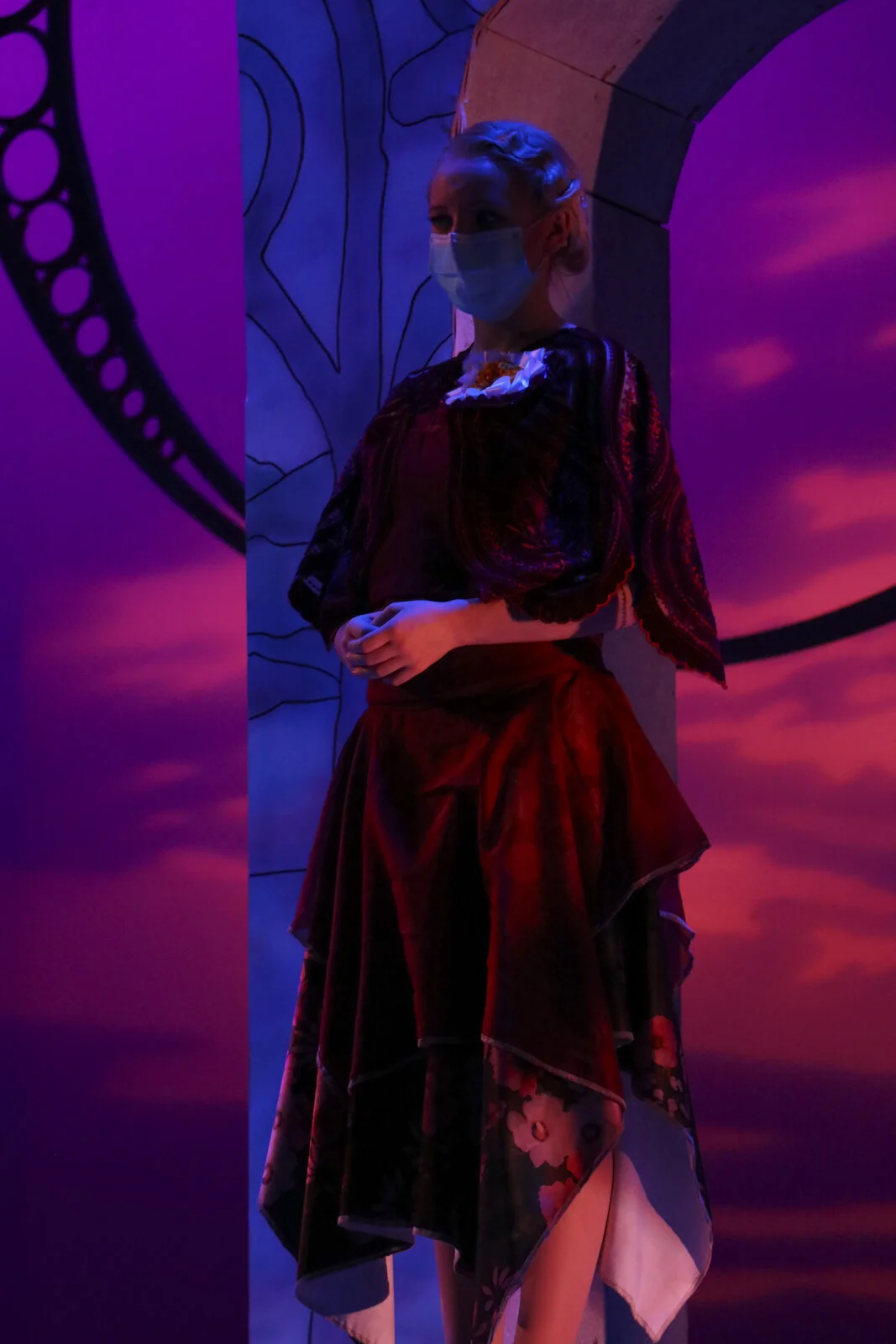
So tonight’s Dream is Hippolyta’s: a hopeful dream of the Queen of the Amazons (or, if you will, the leader of the suffragettes) and a reimagining of the order of the world, one in which gender roles needn’t be ironclad. Tonight, the person we love needn’t be carved in stone or approved by anyone else. And we can dream of a world in which turmoil isn’t set right through battles or wars, or even through grand speeches or masterful persuasion, but instead through the revelatory experience of empathy and awakening to another’s perspective.
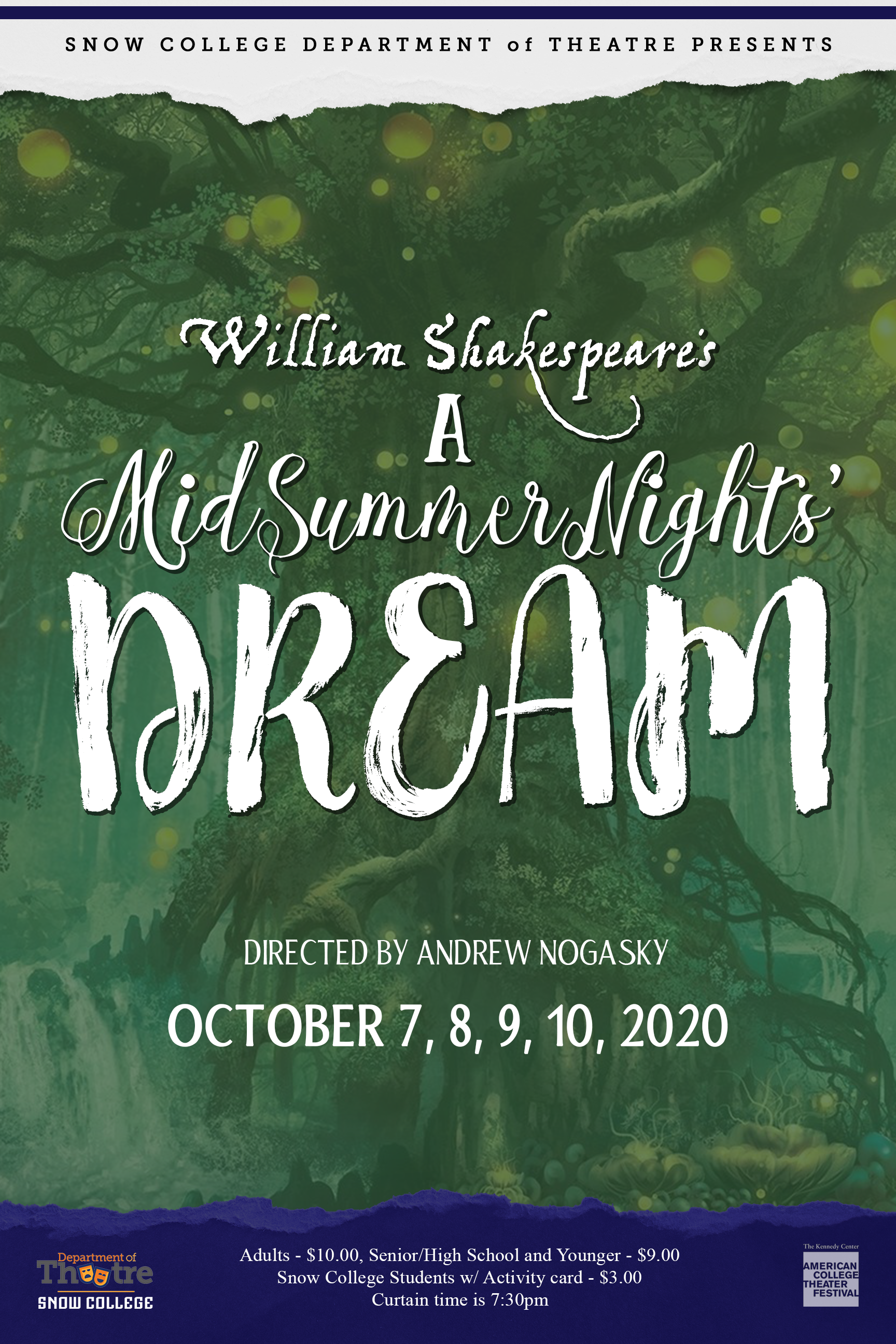
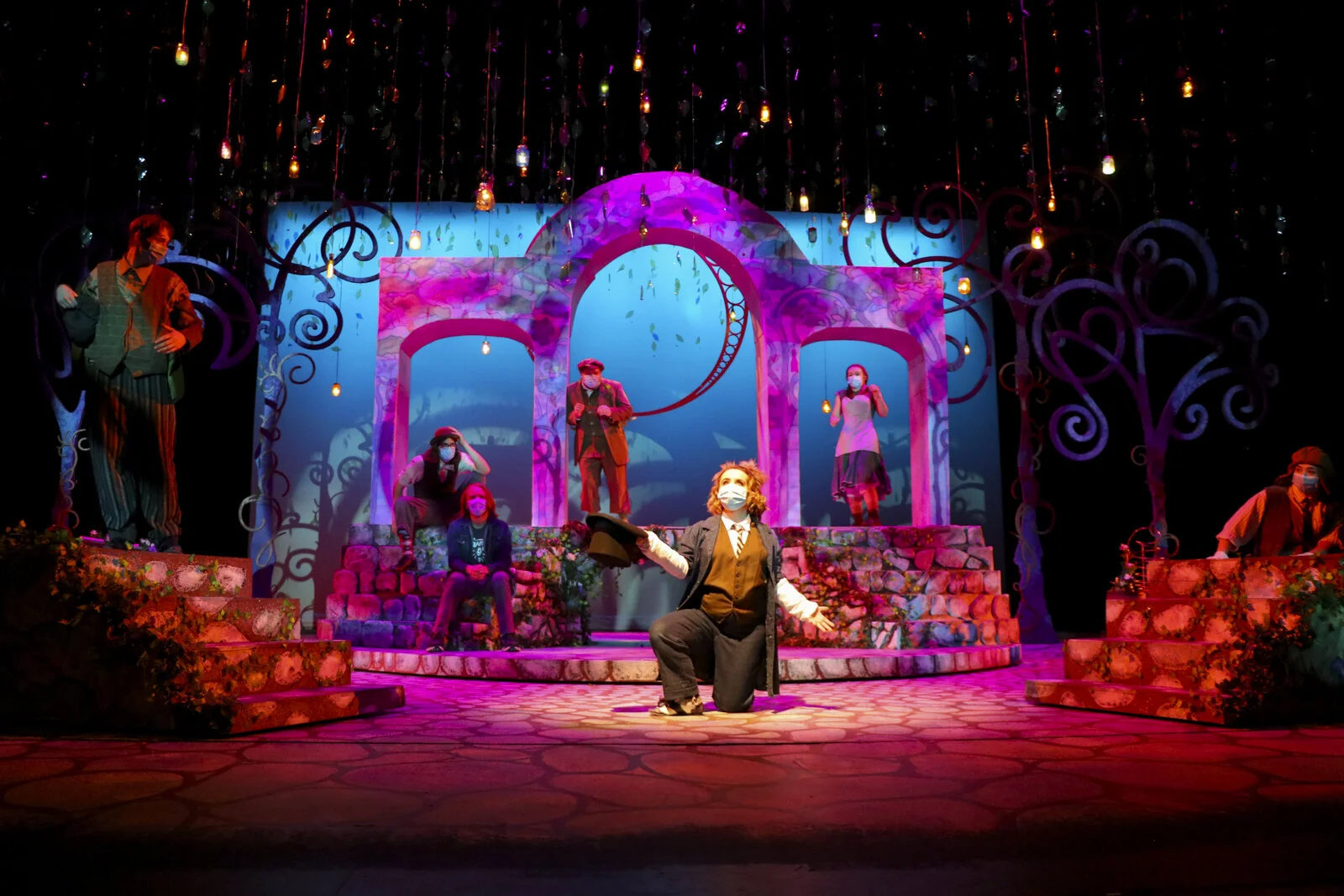
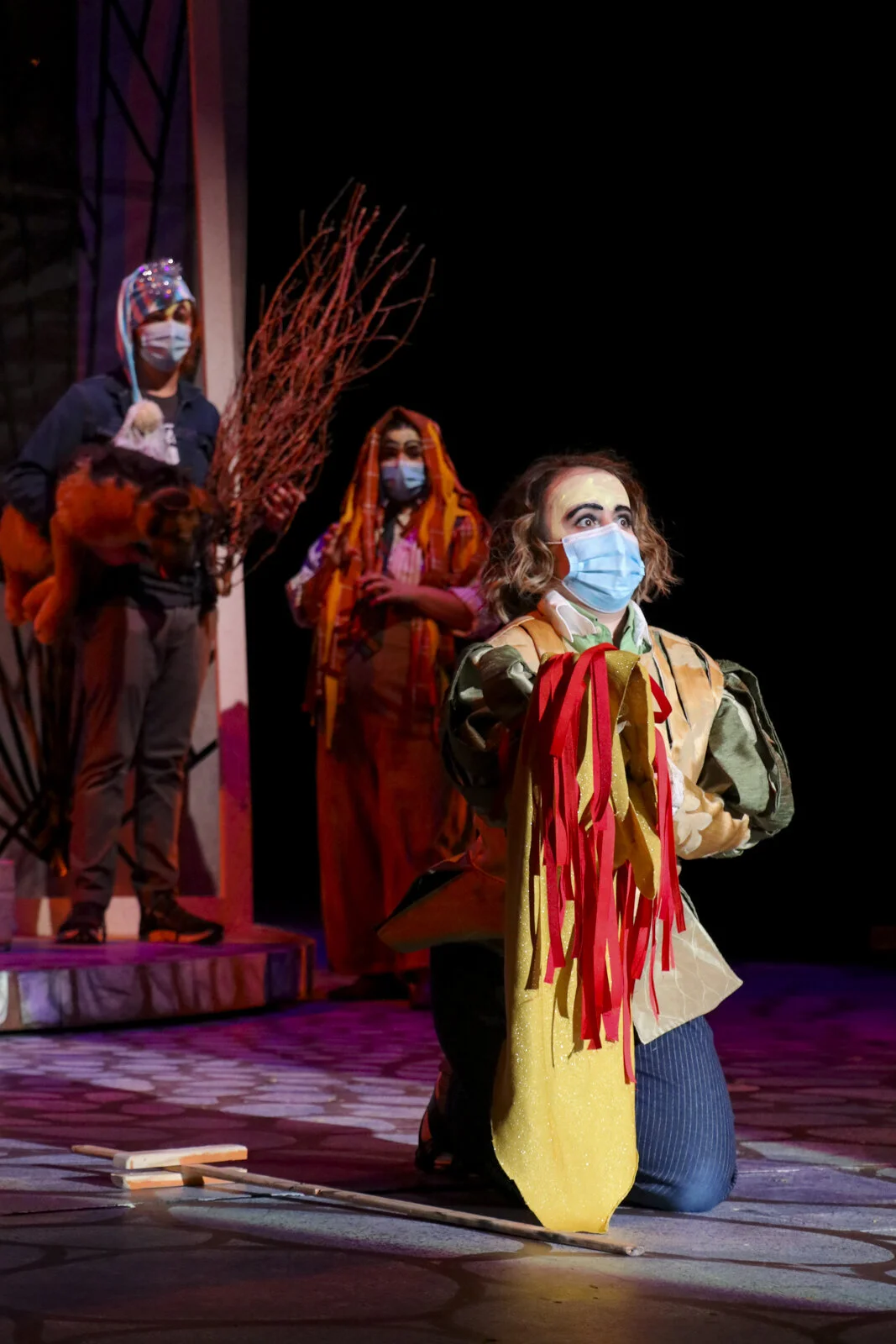
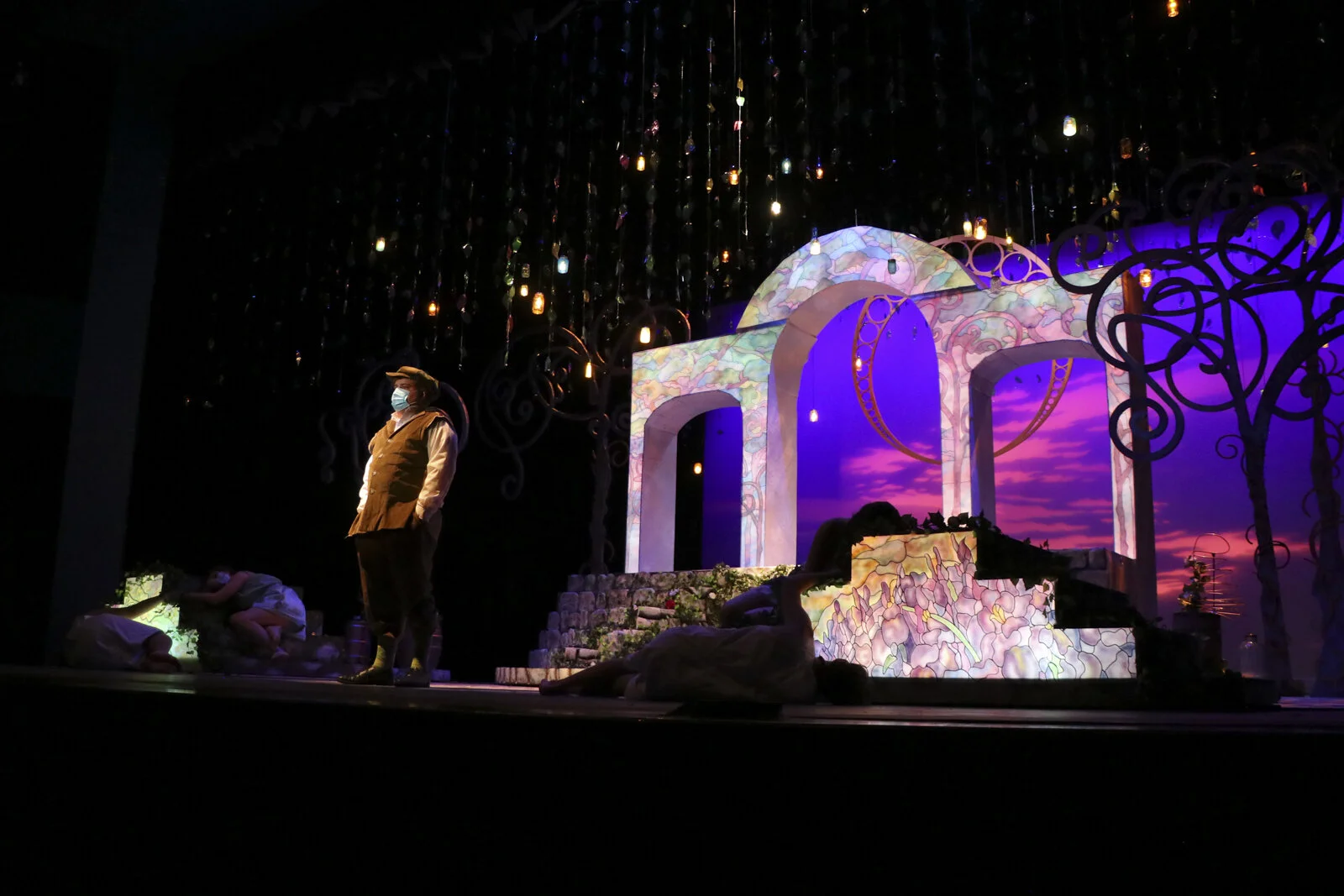
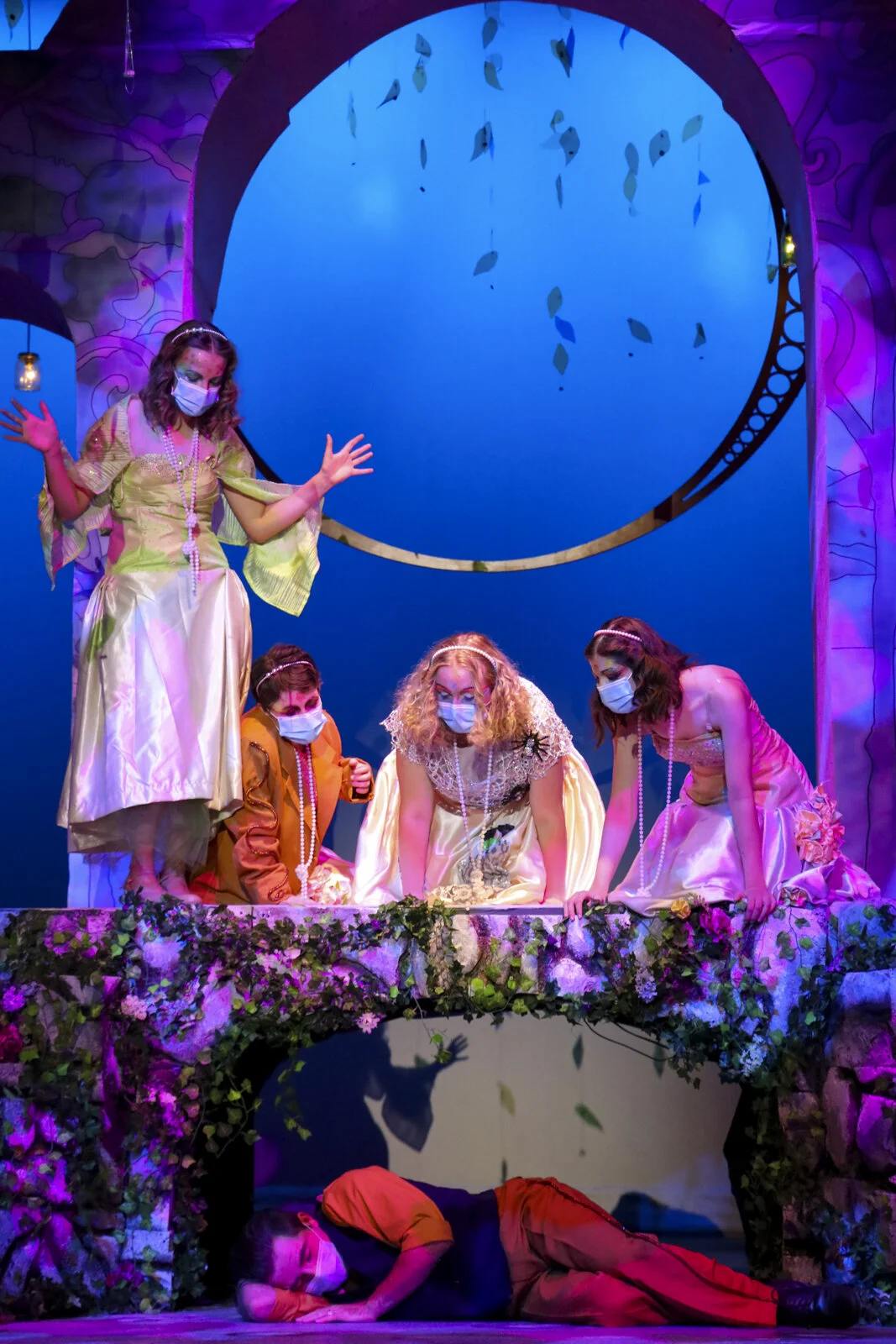
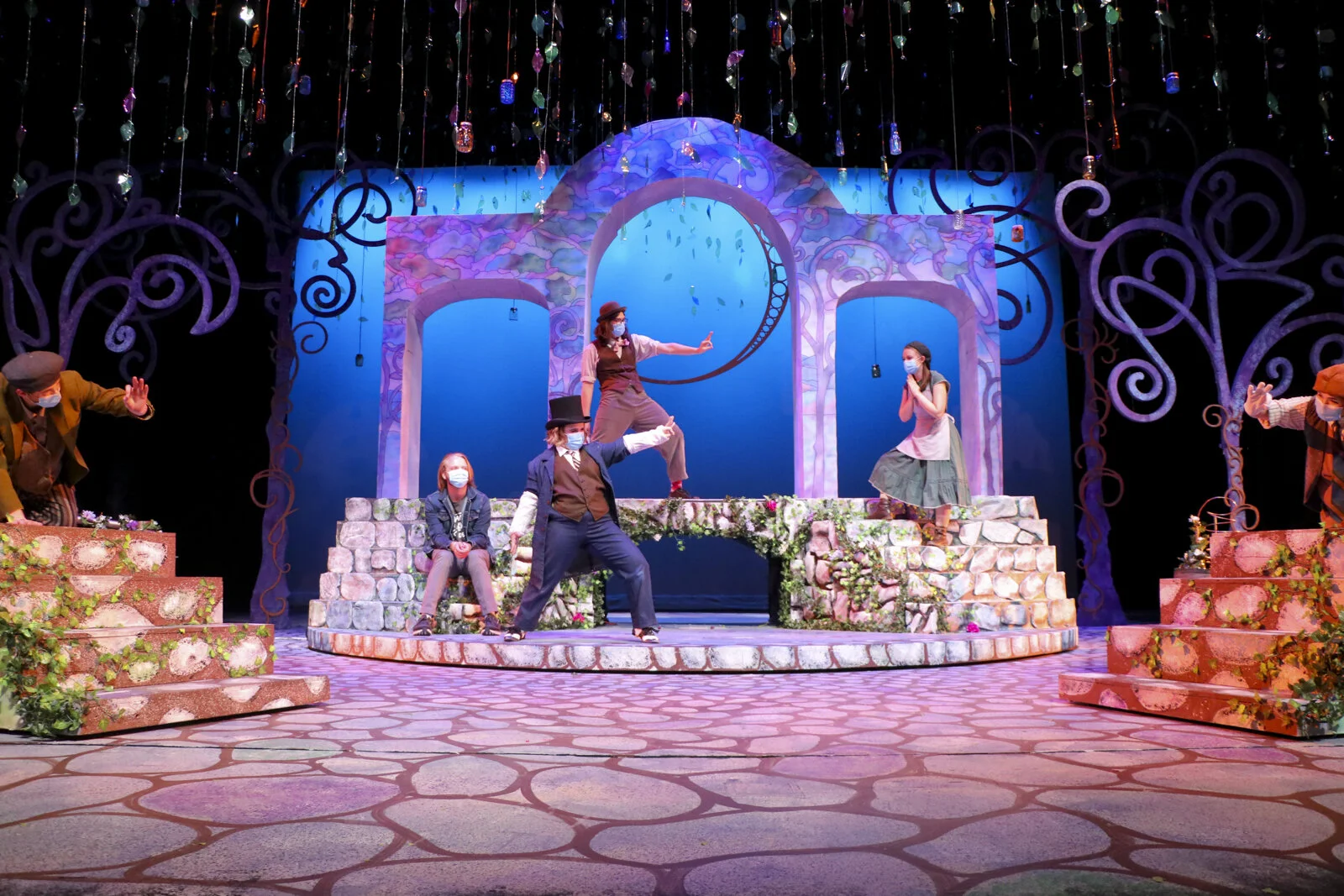
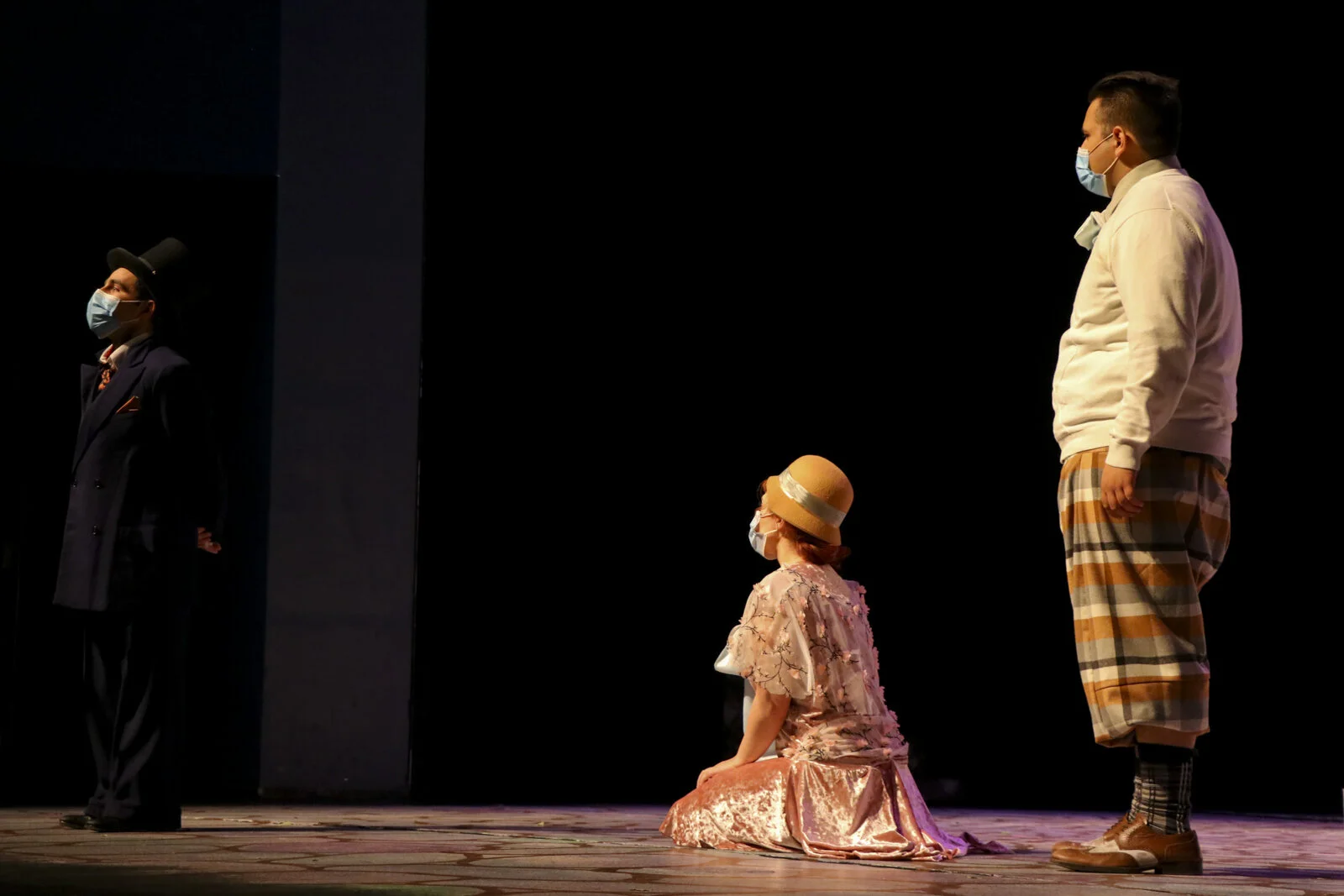
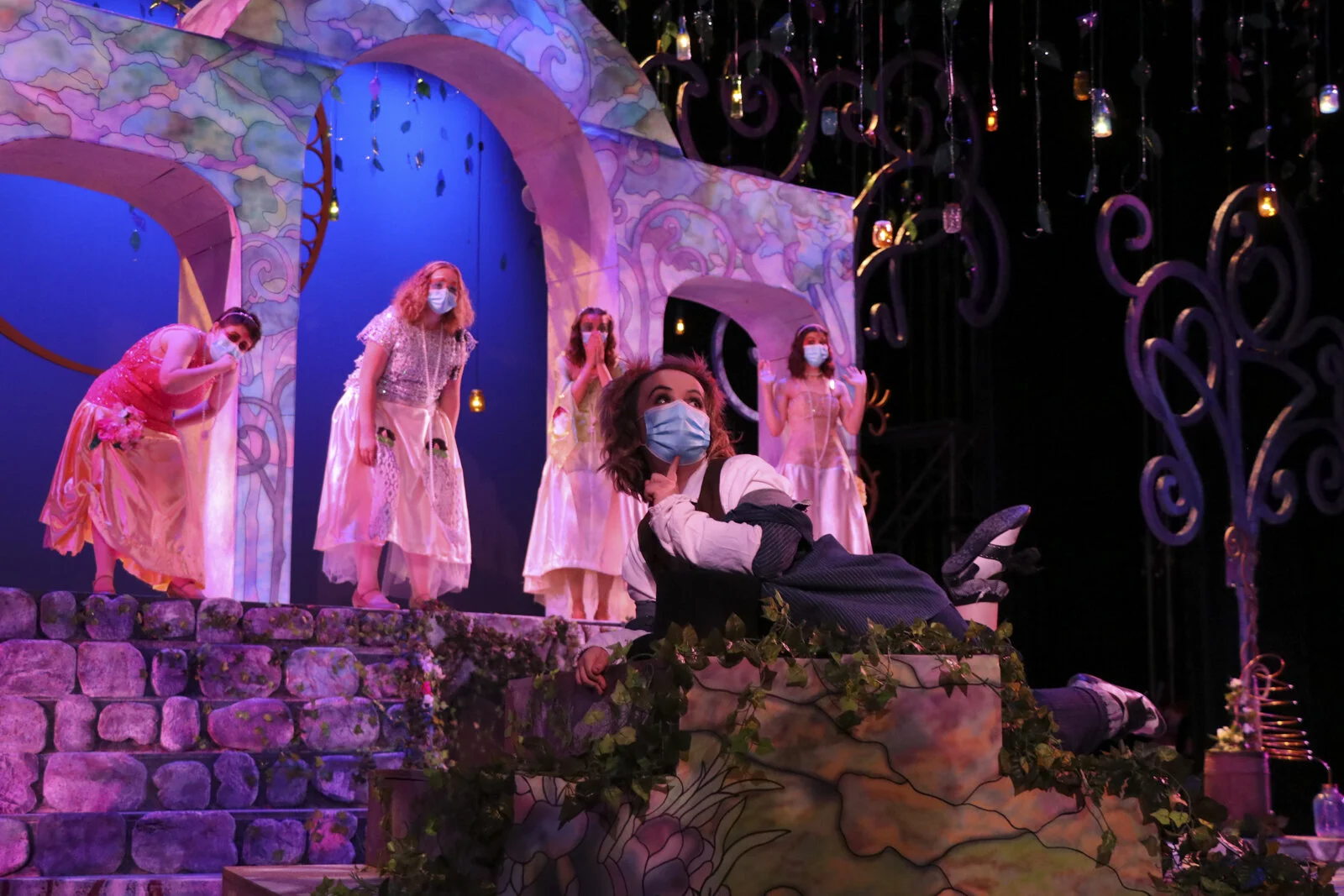
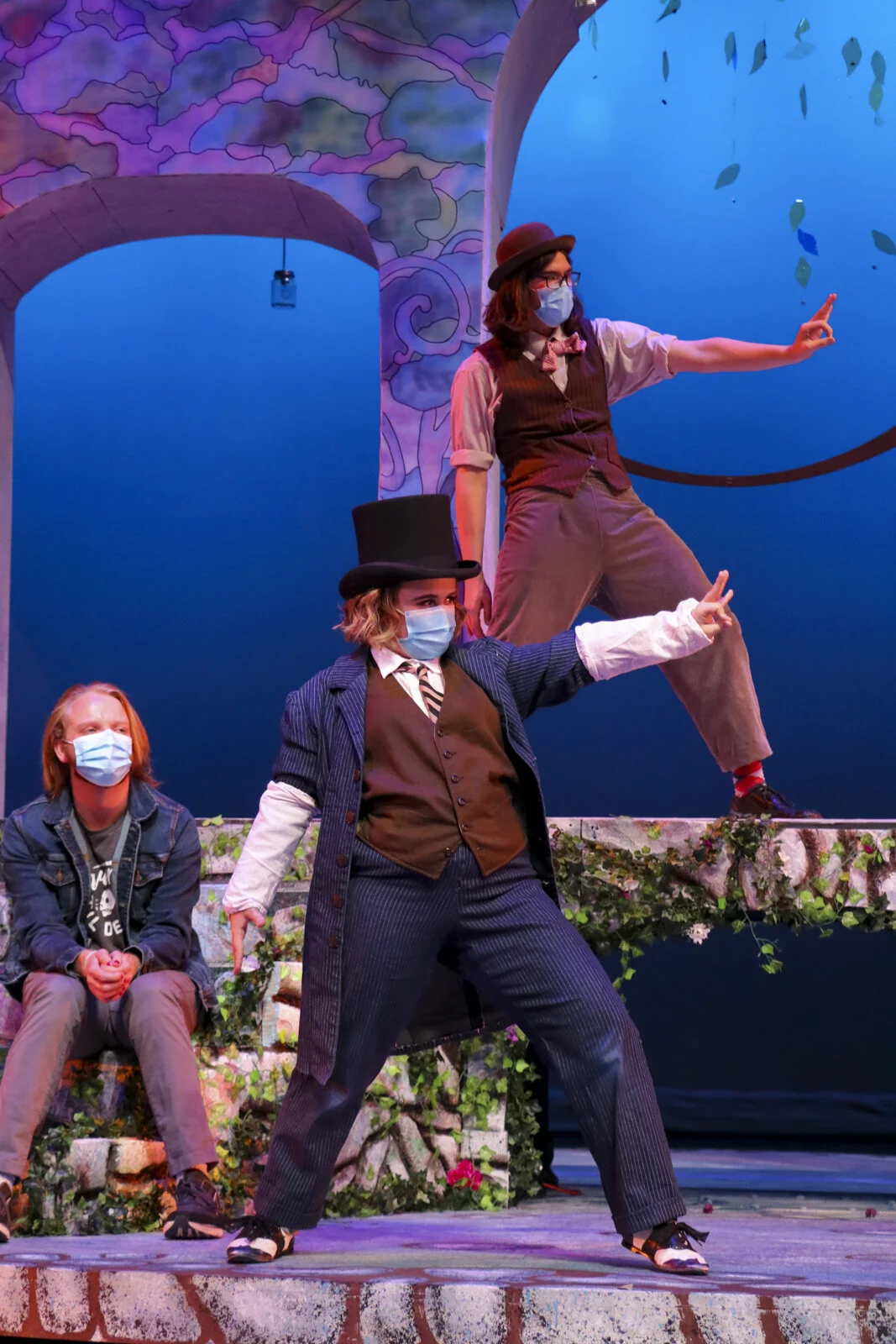
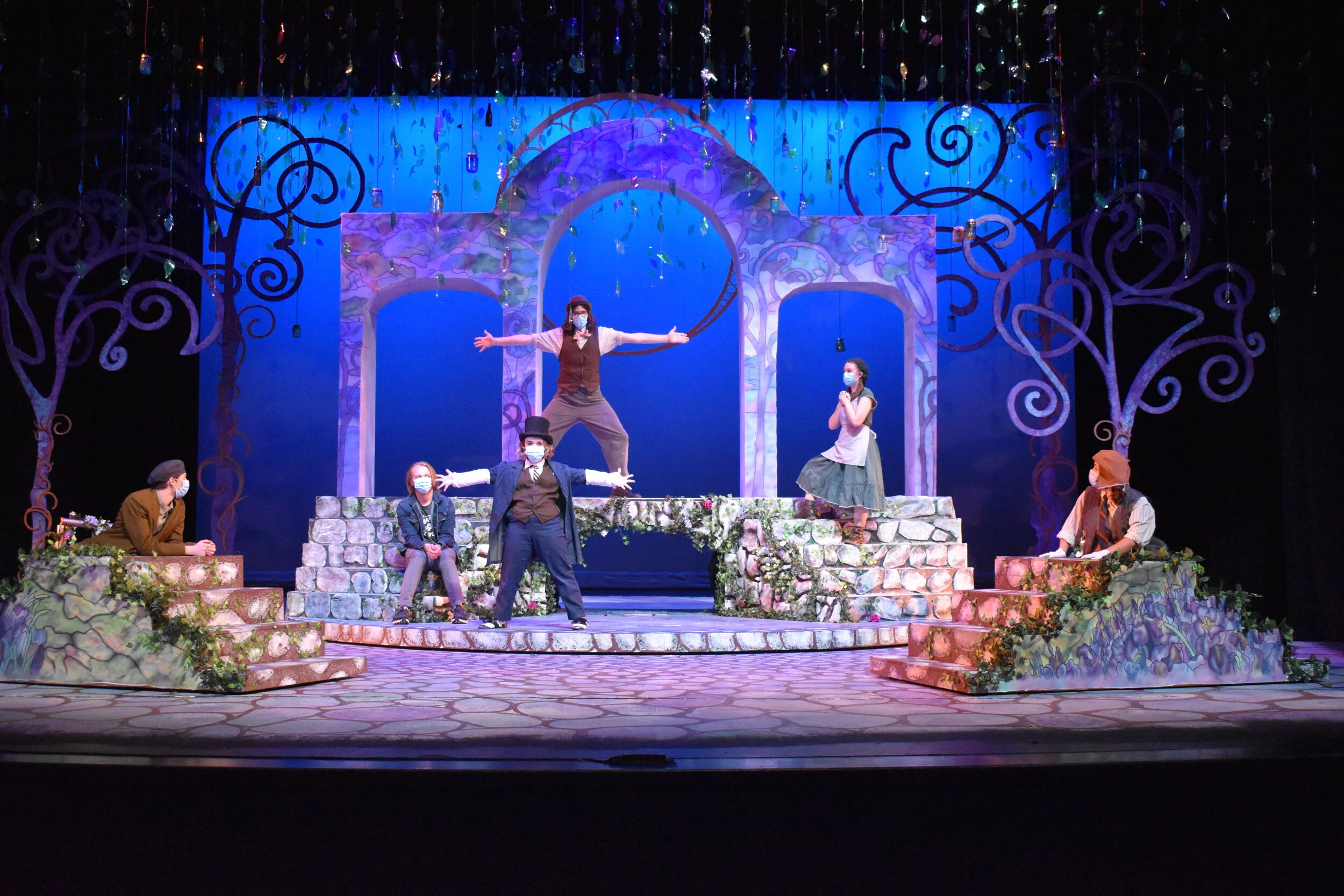
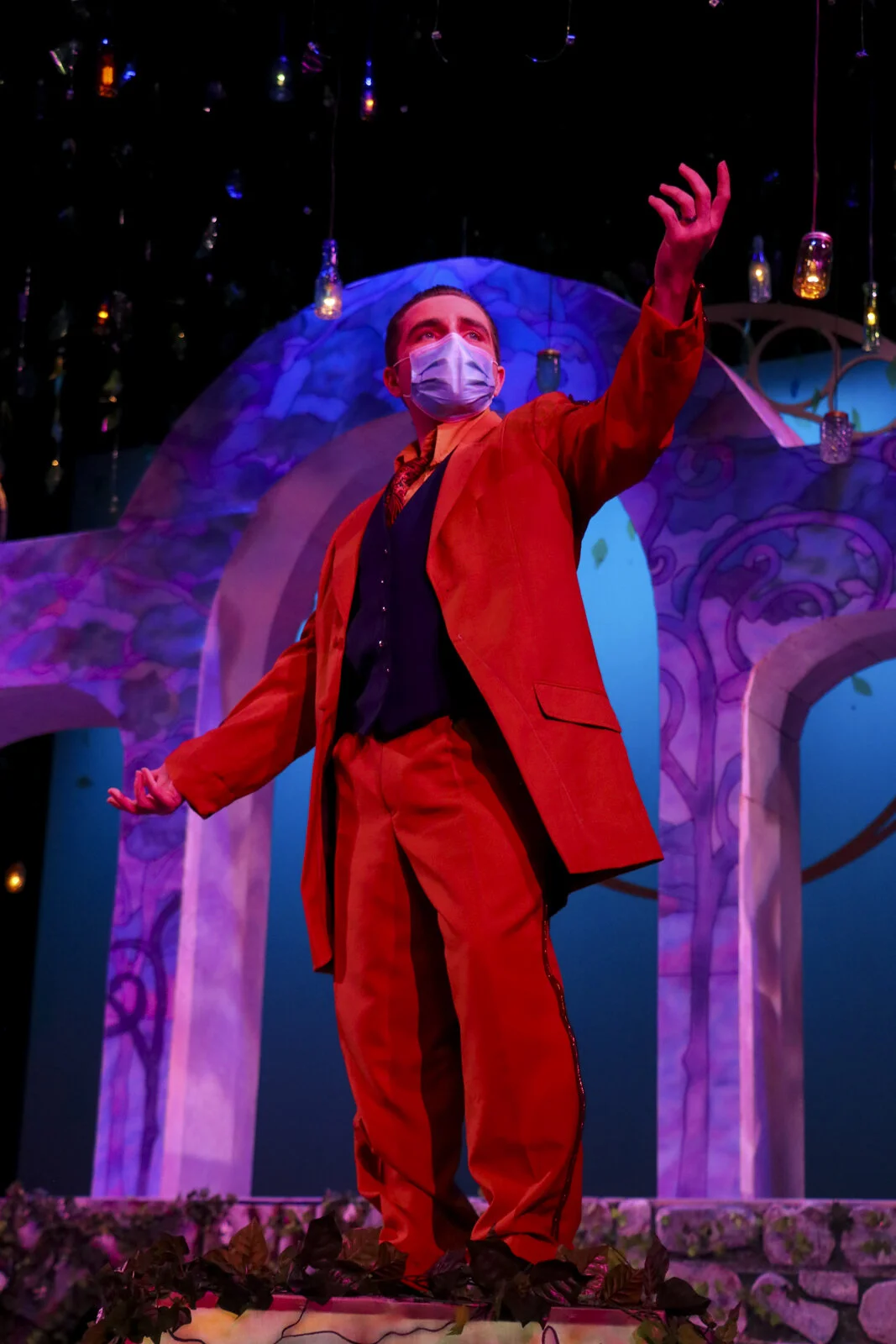
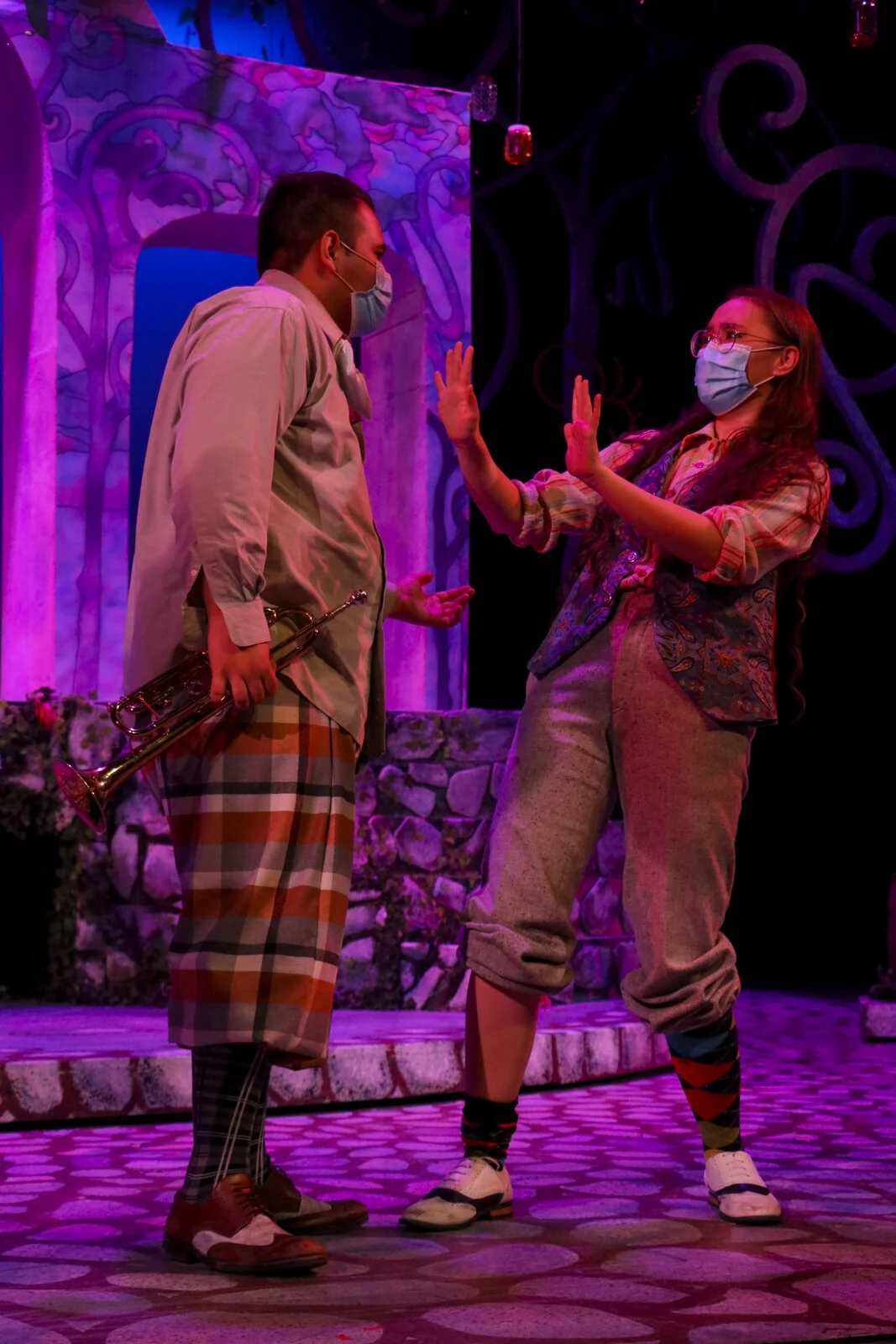
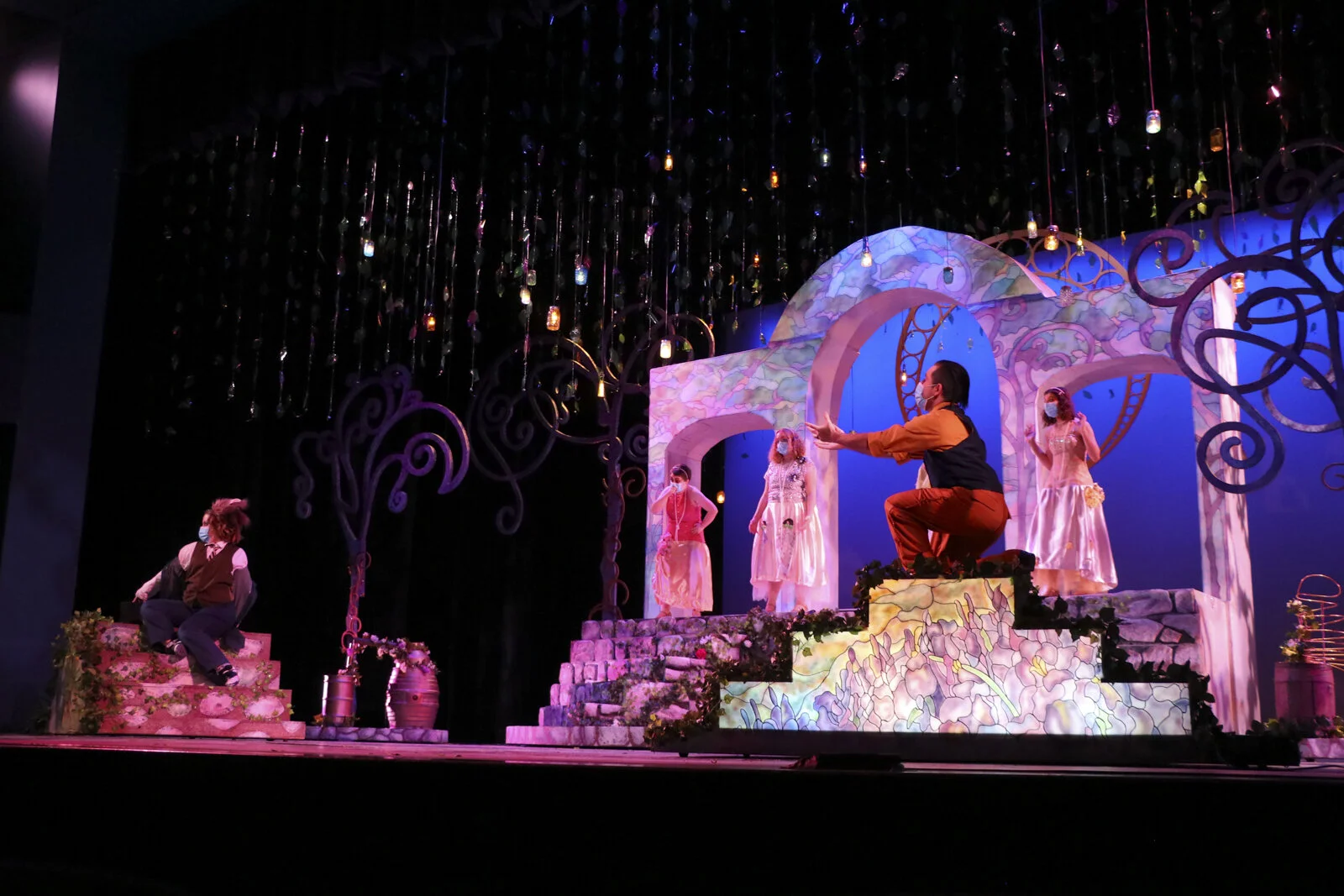
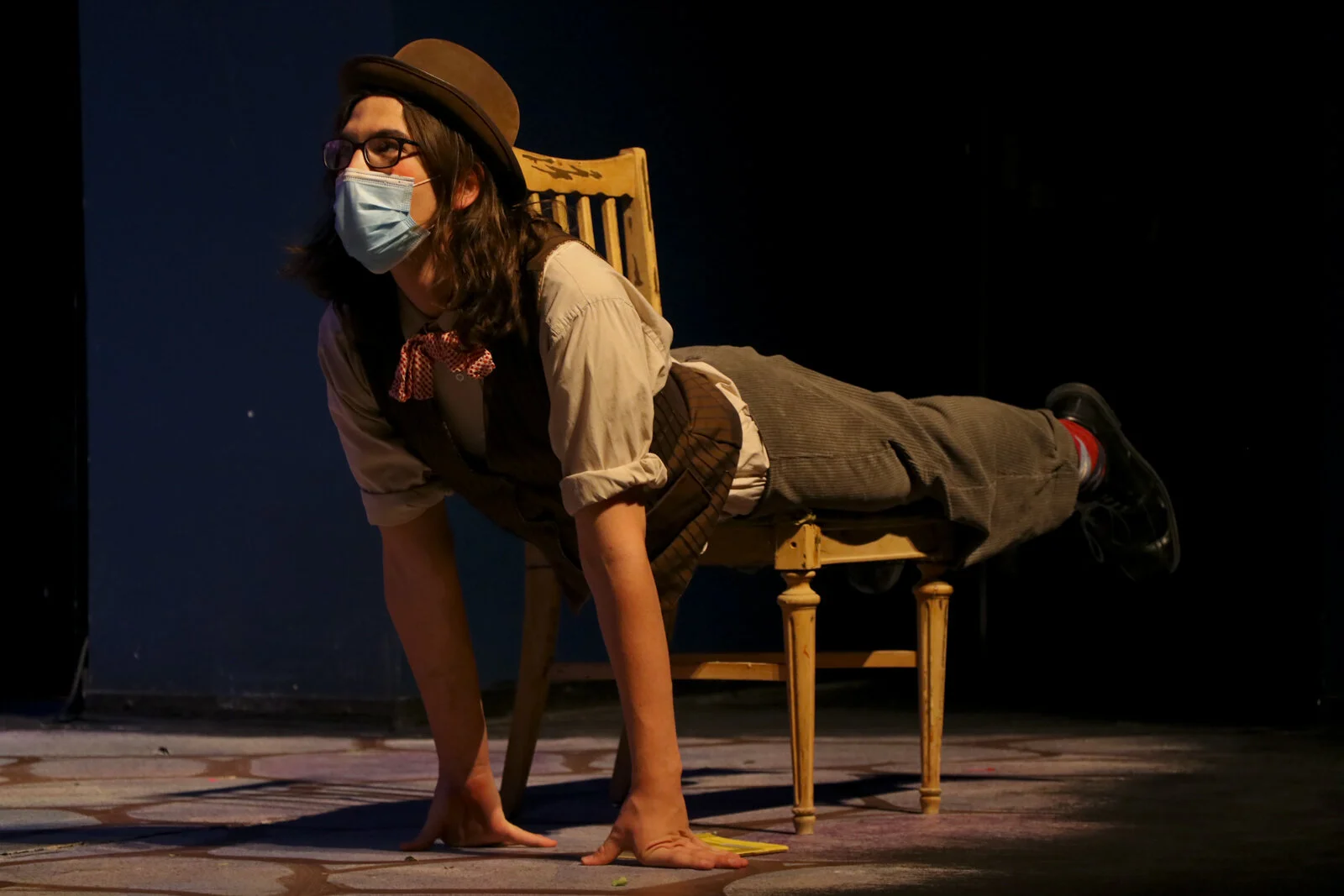
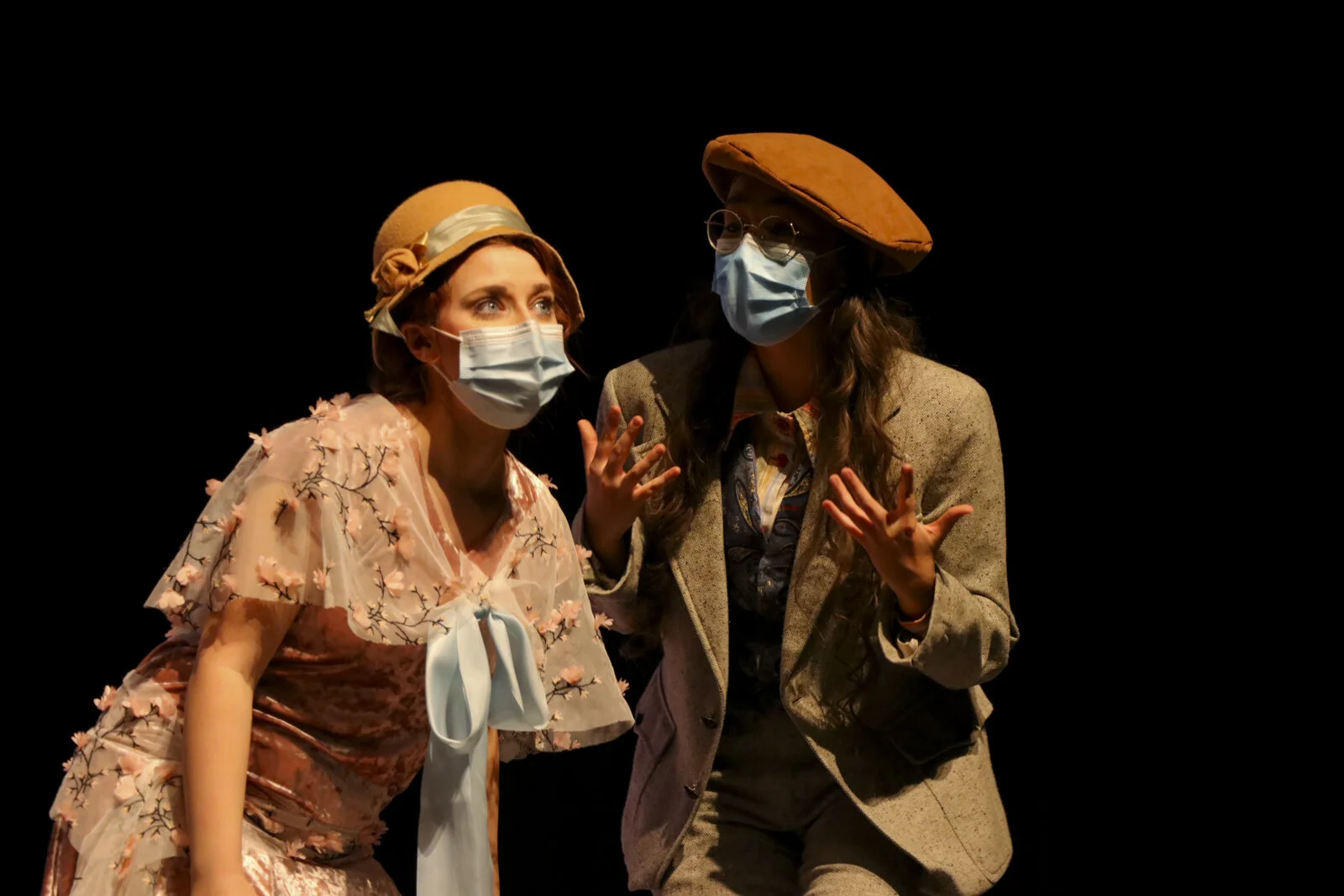
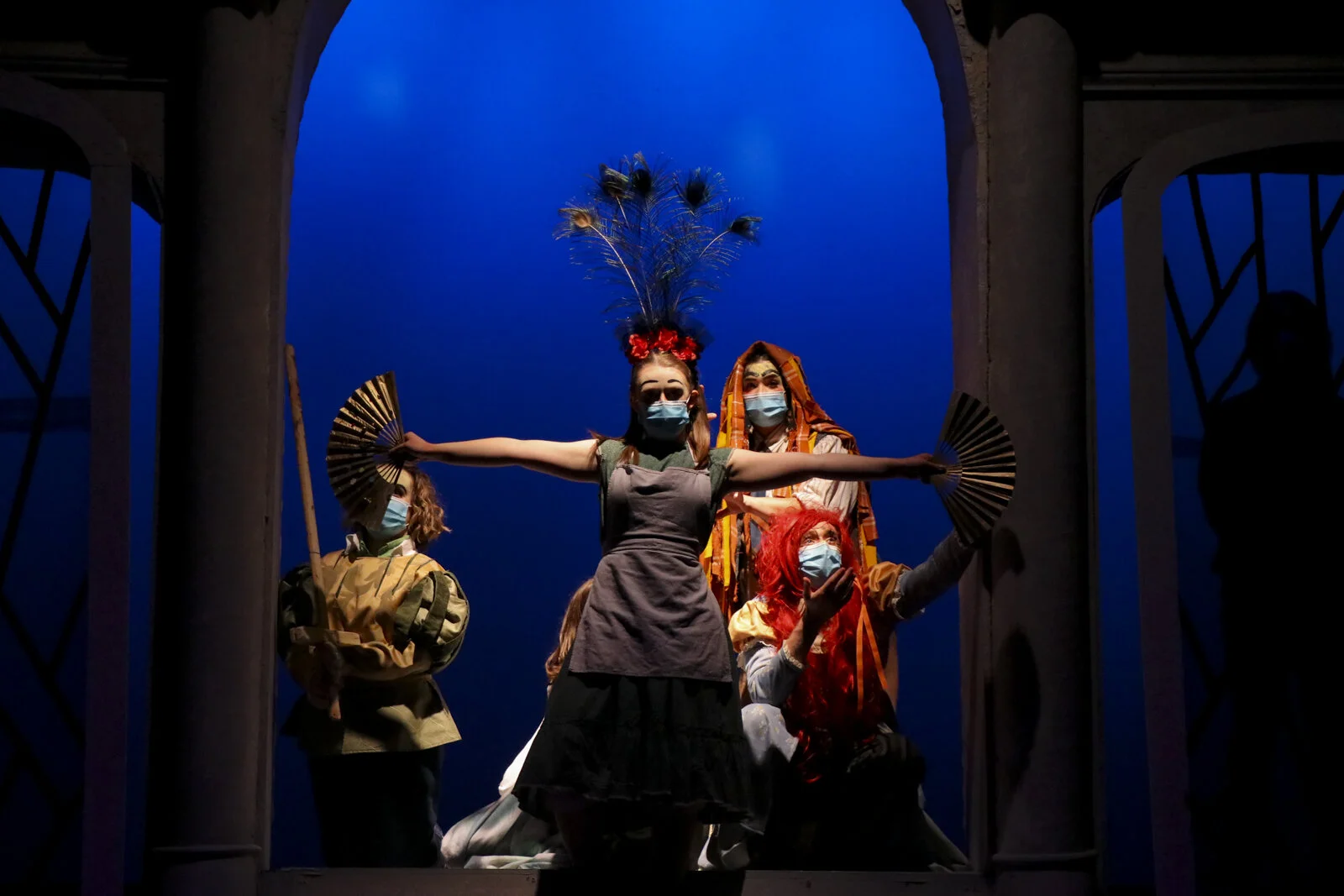
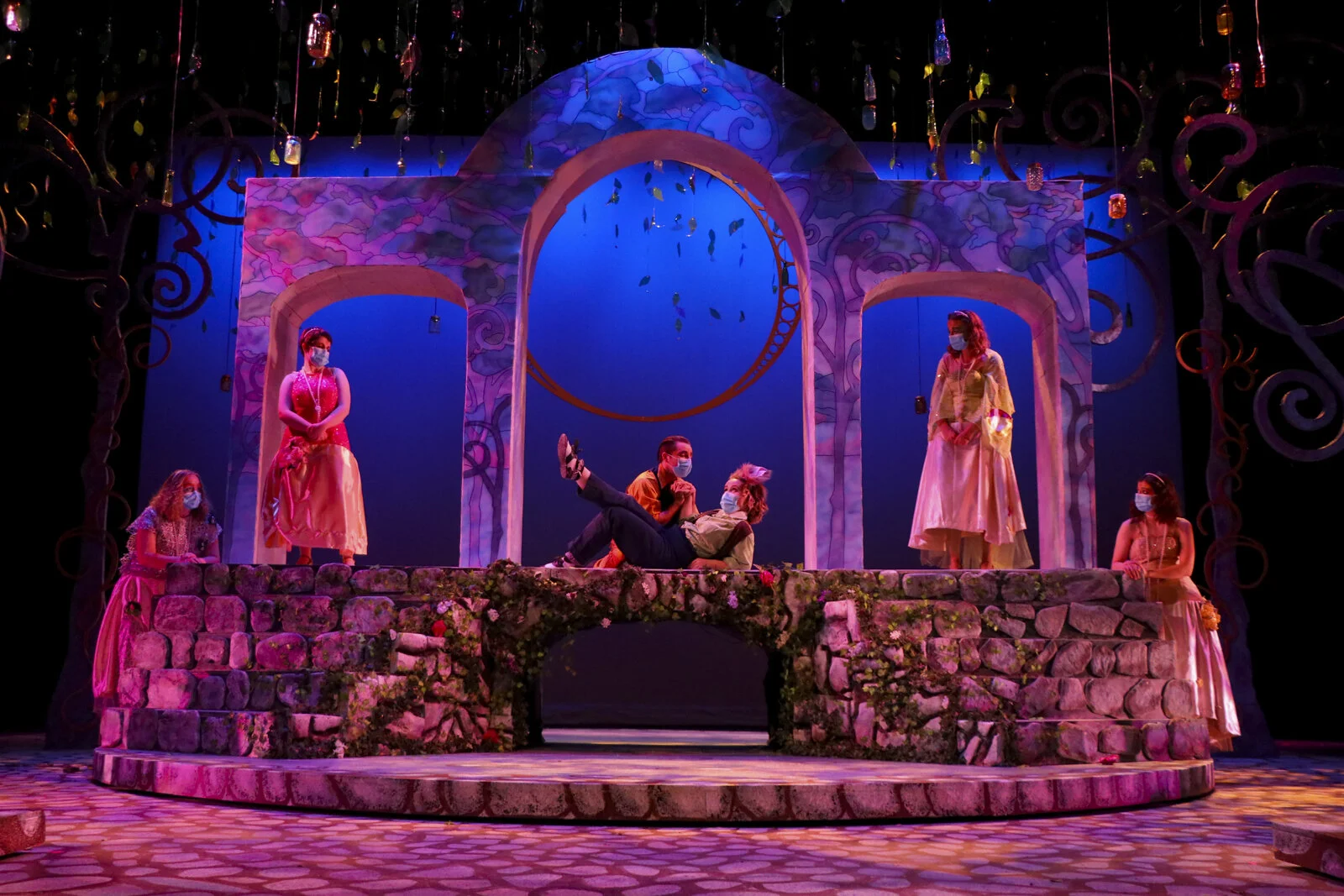
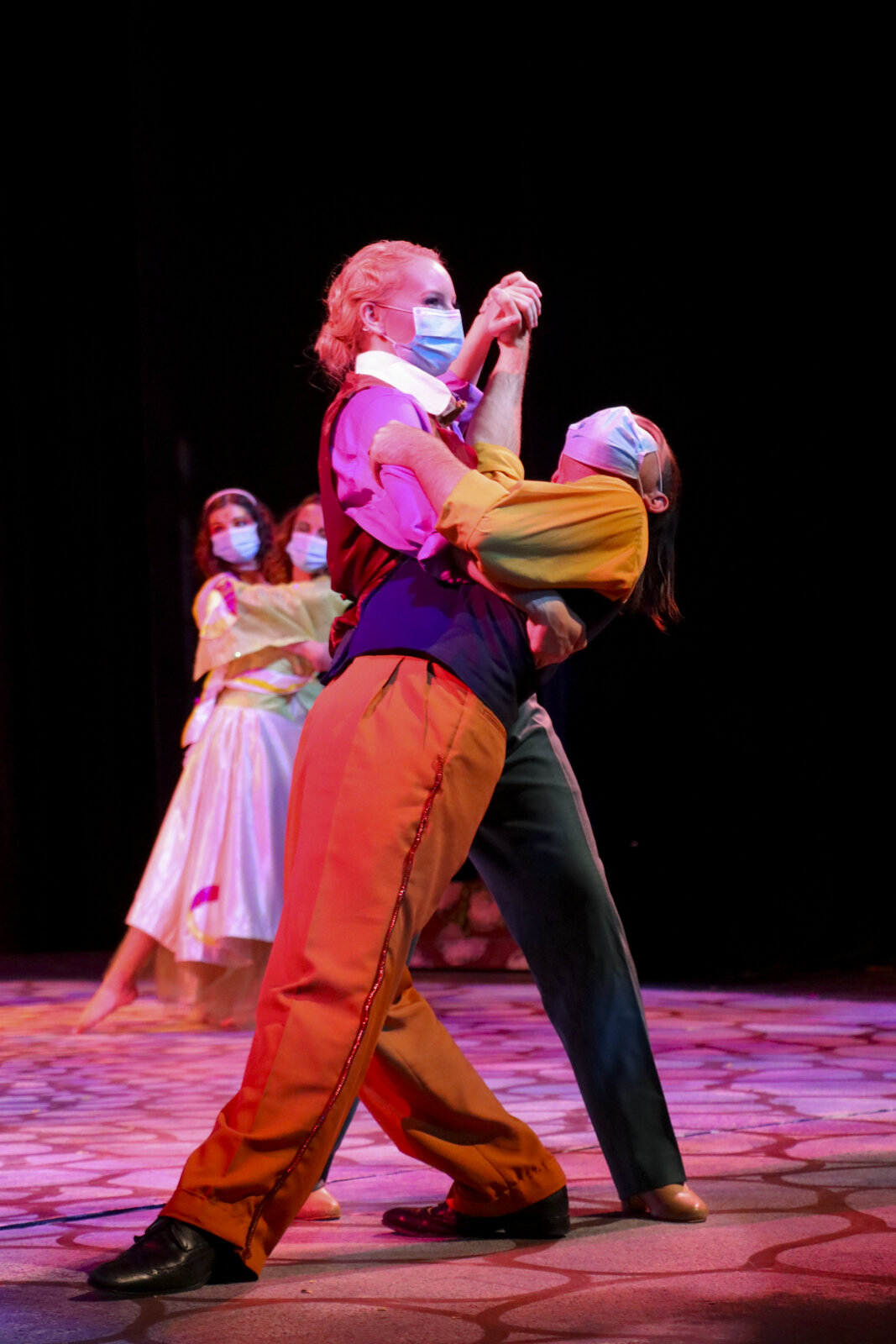
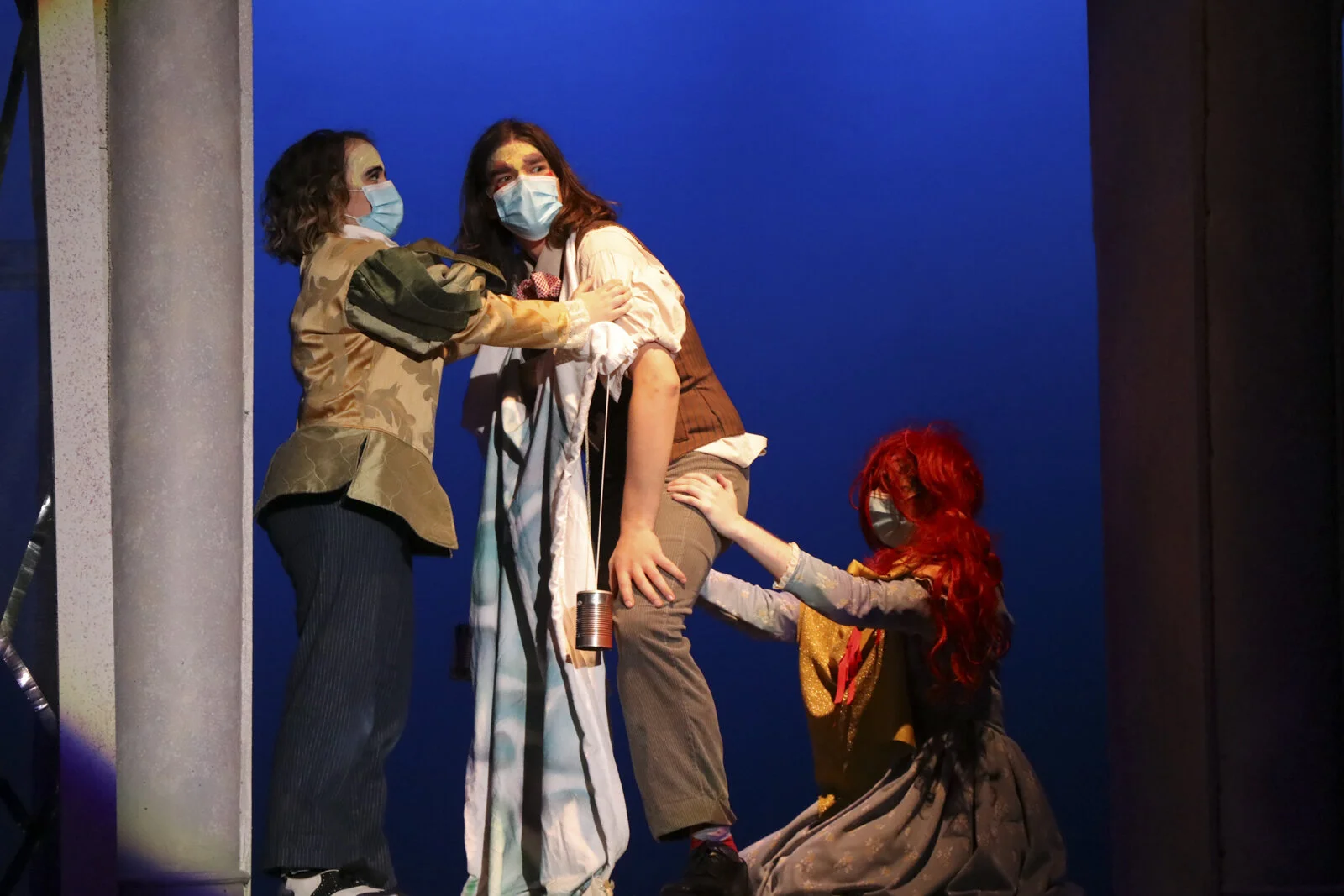
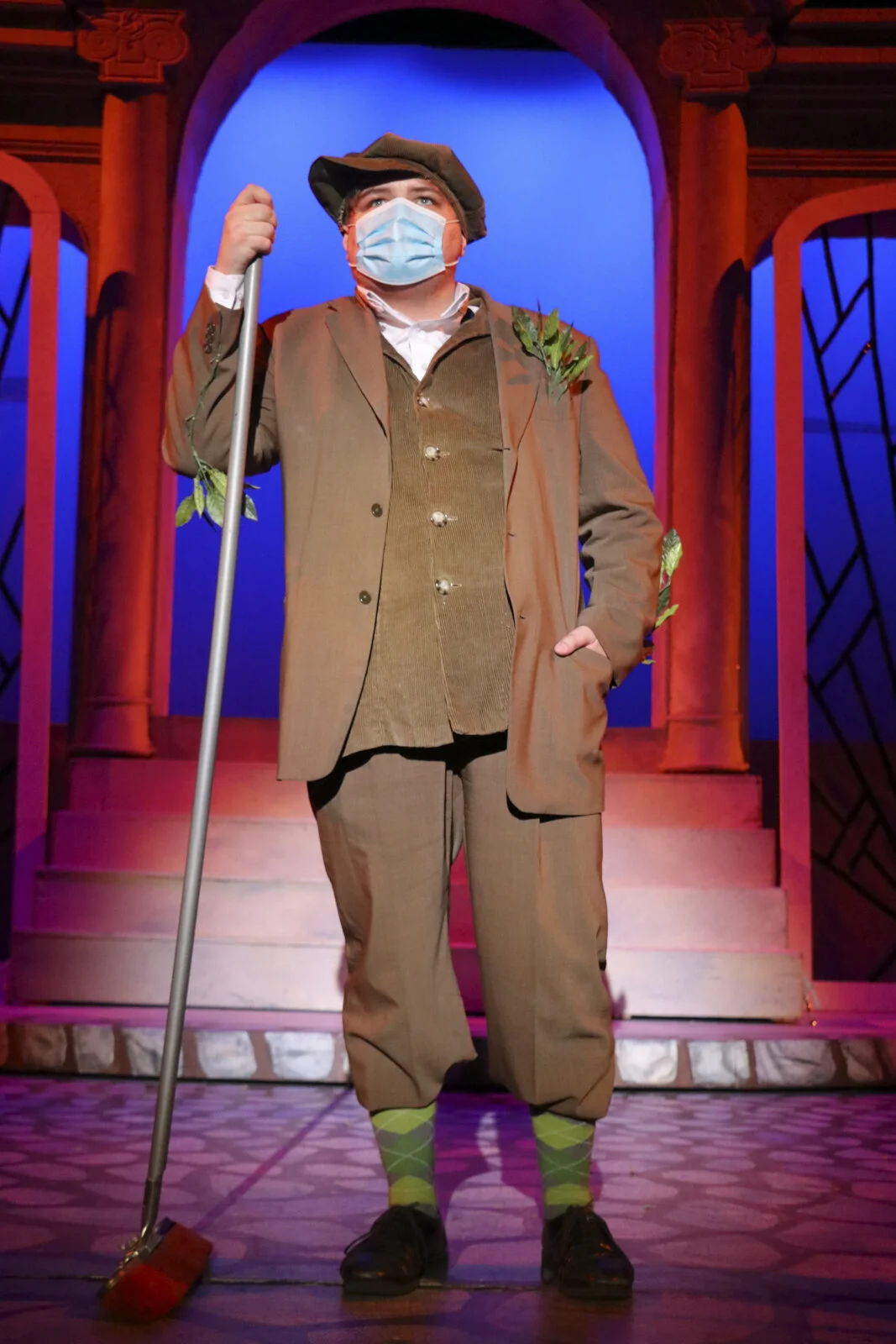
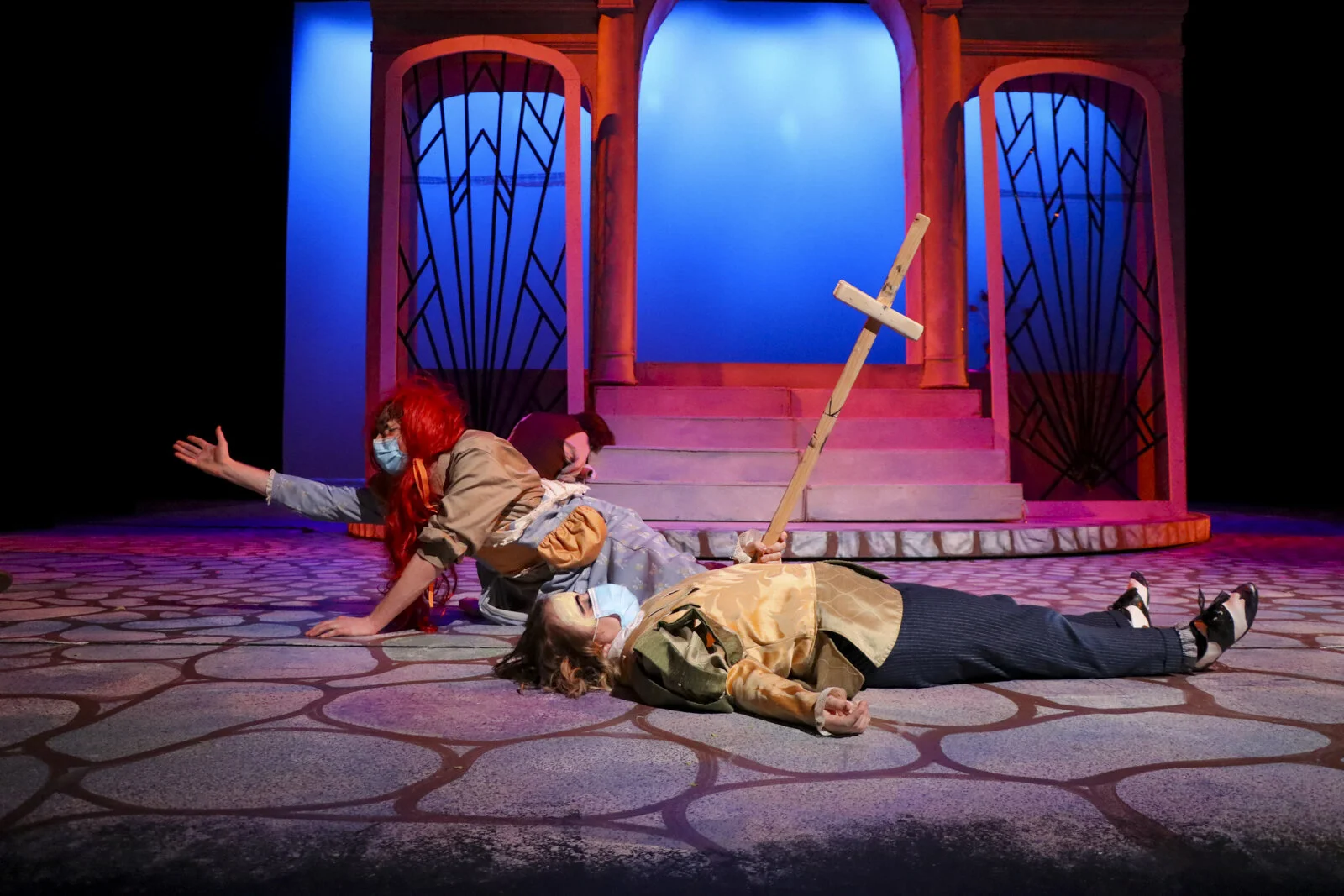
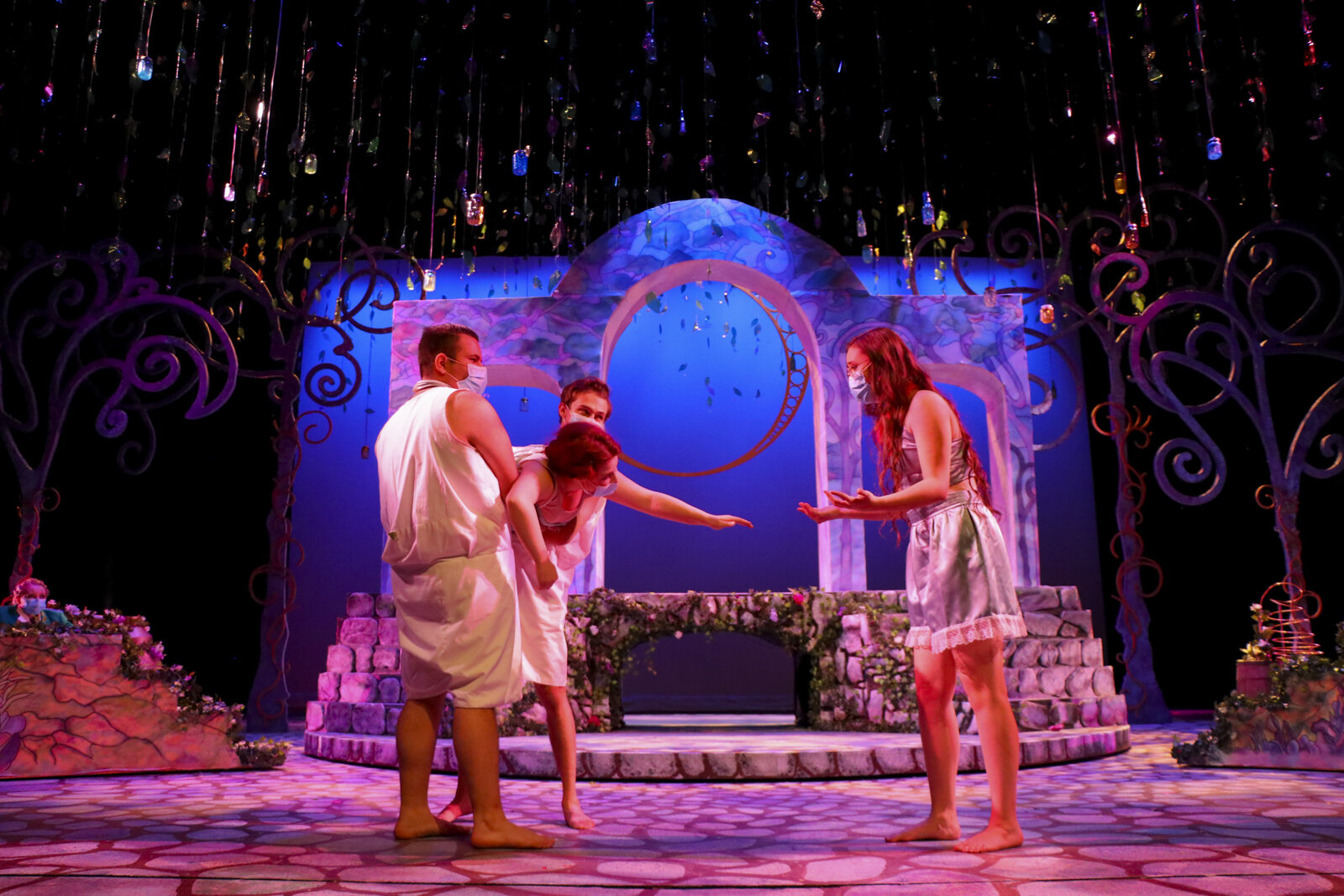
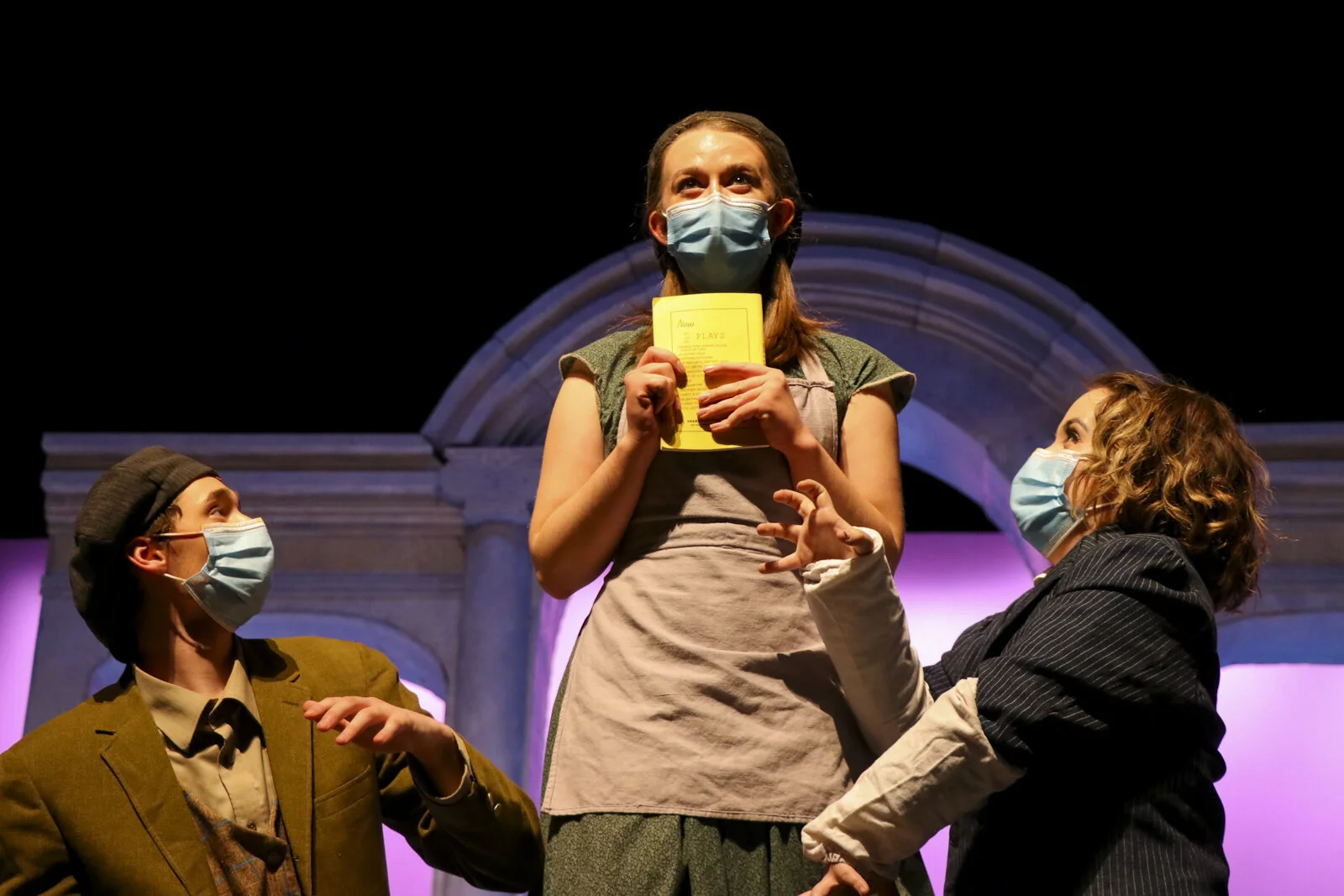
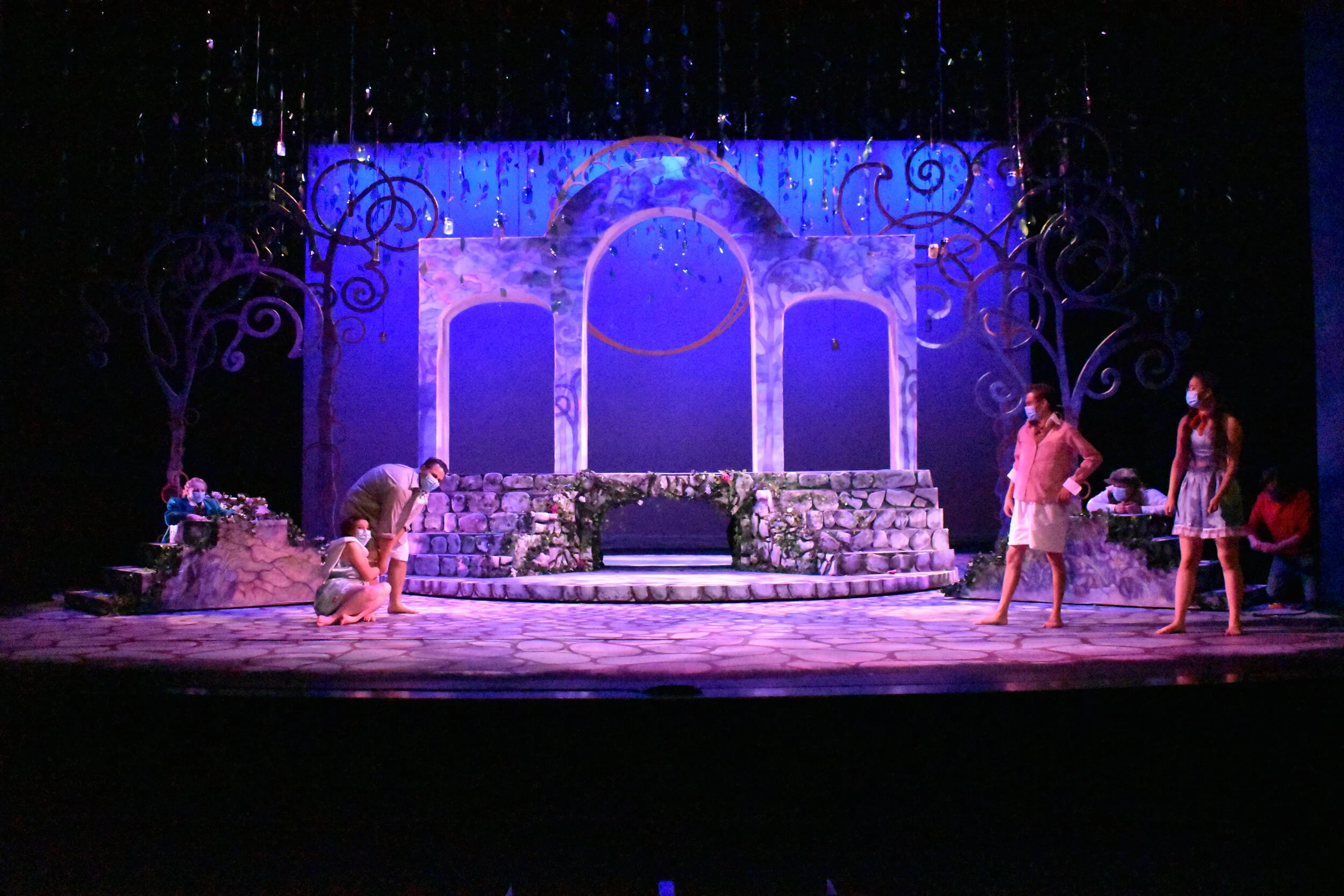
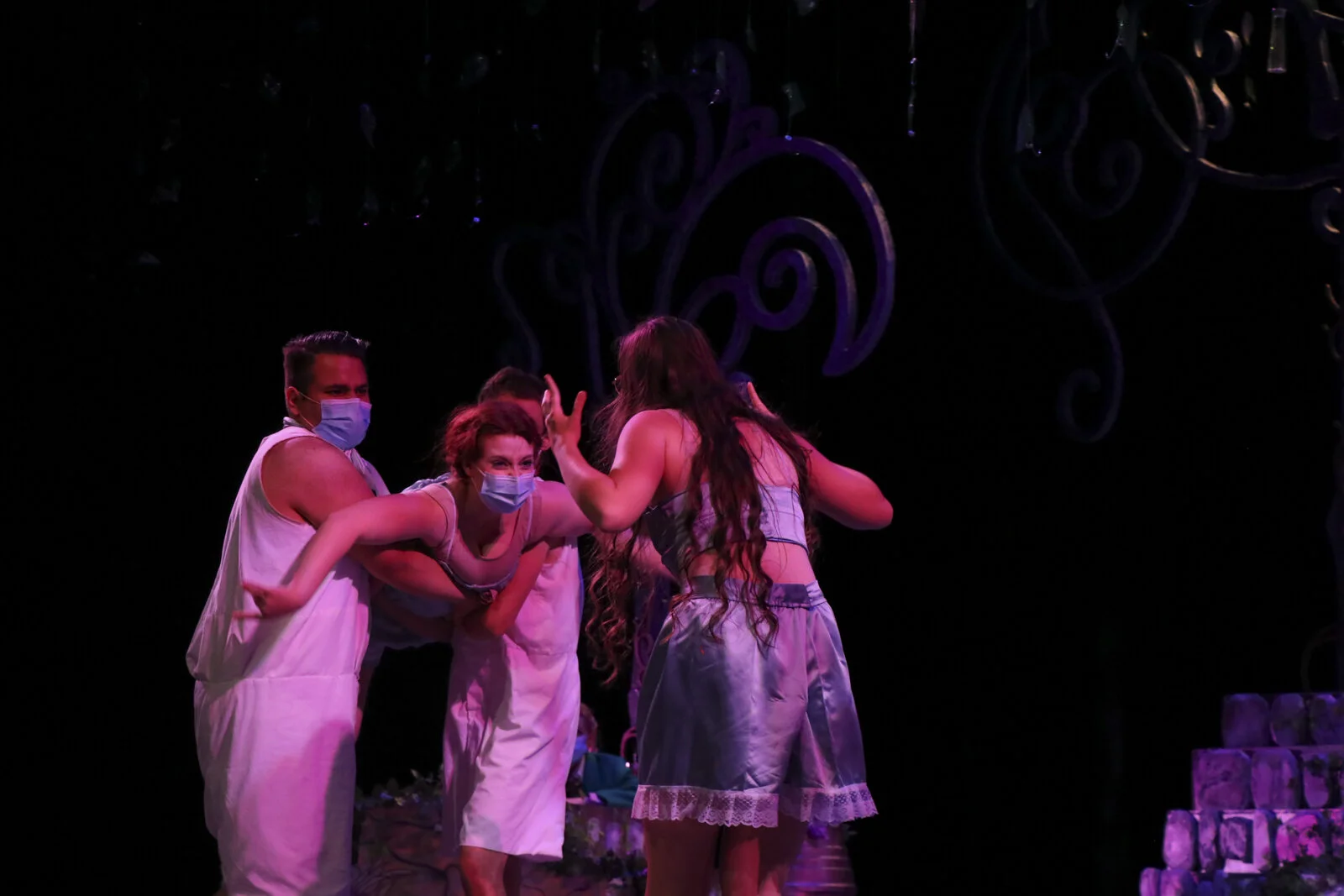
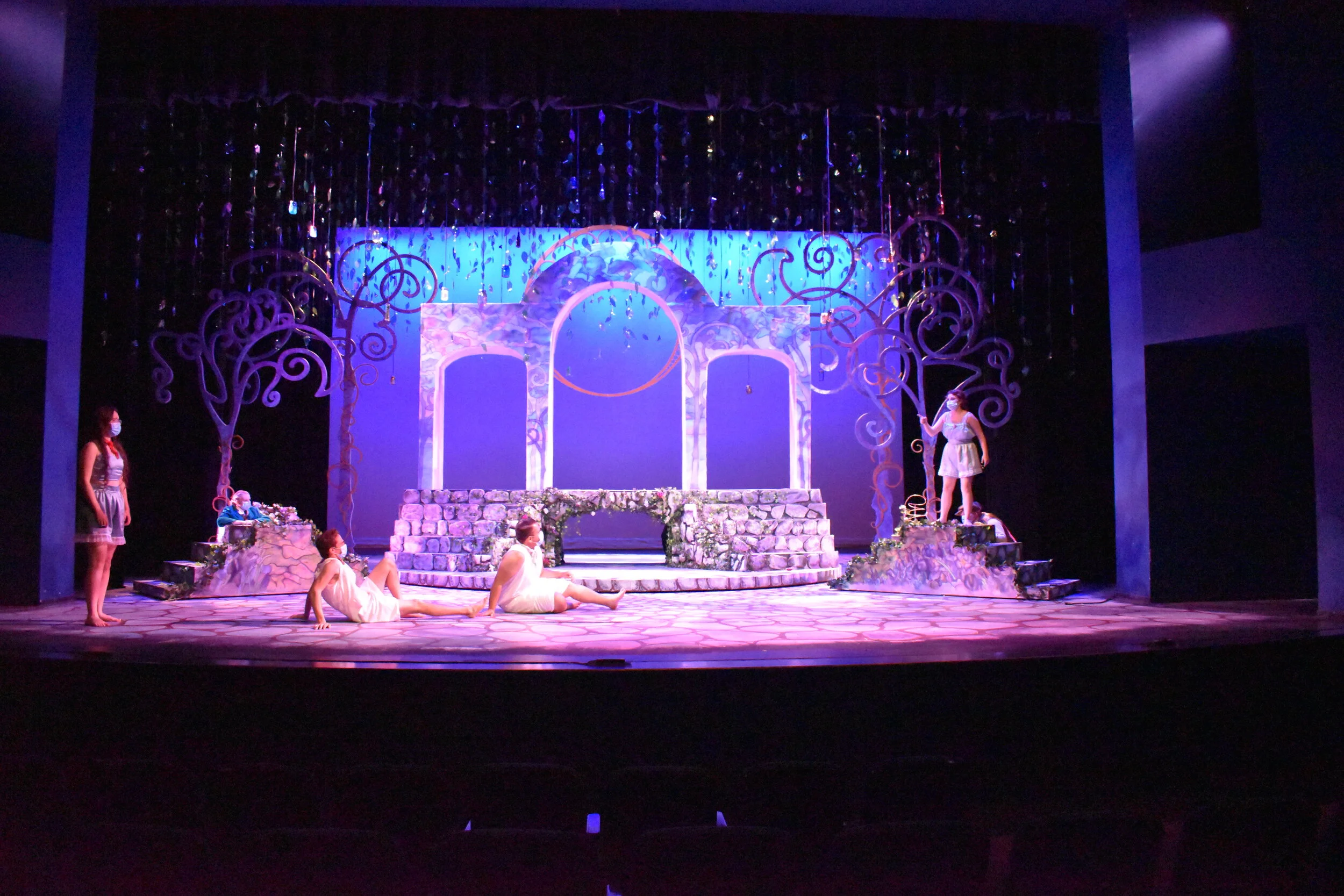
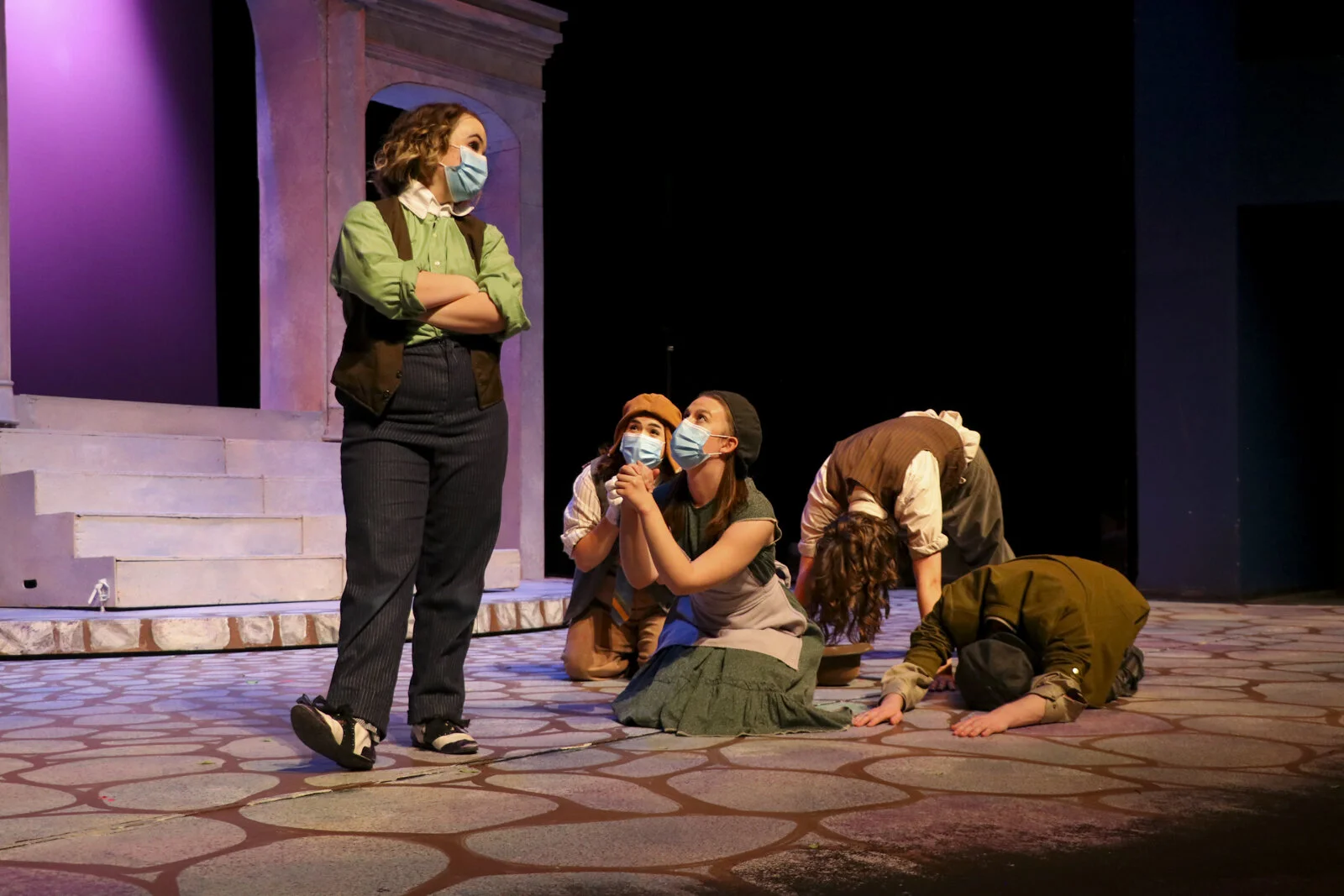
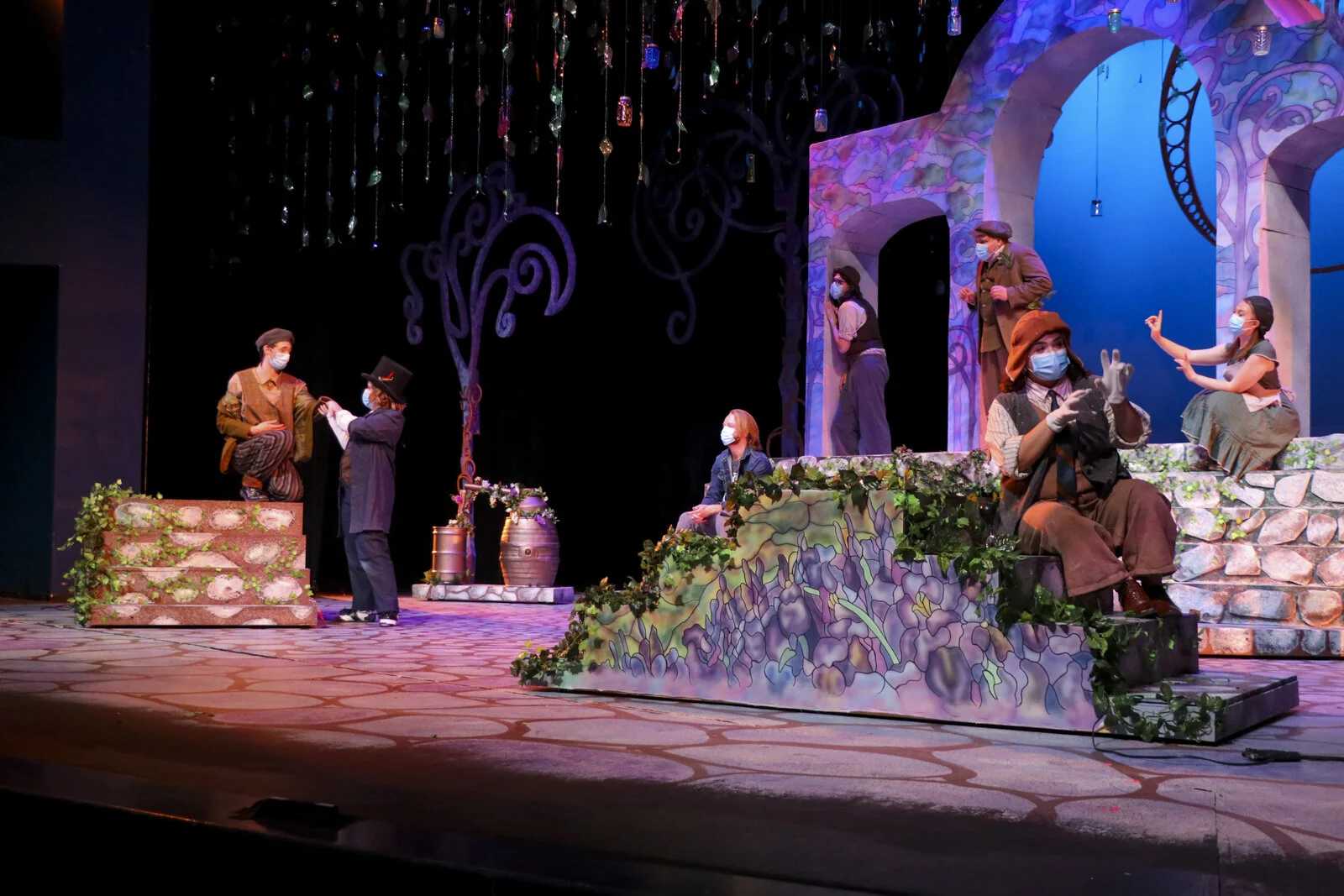
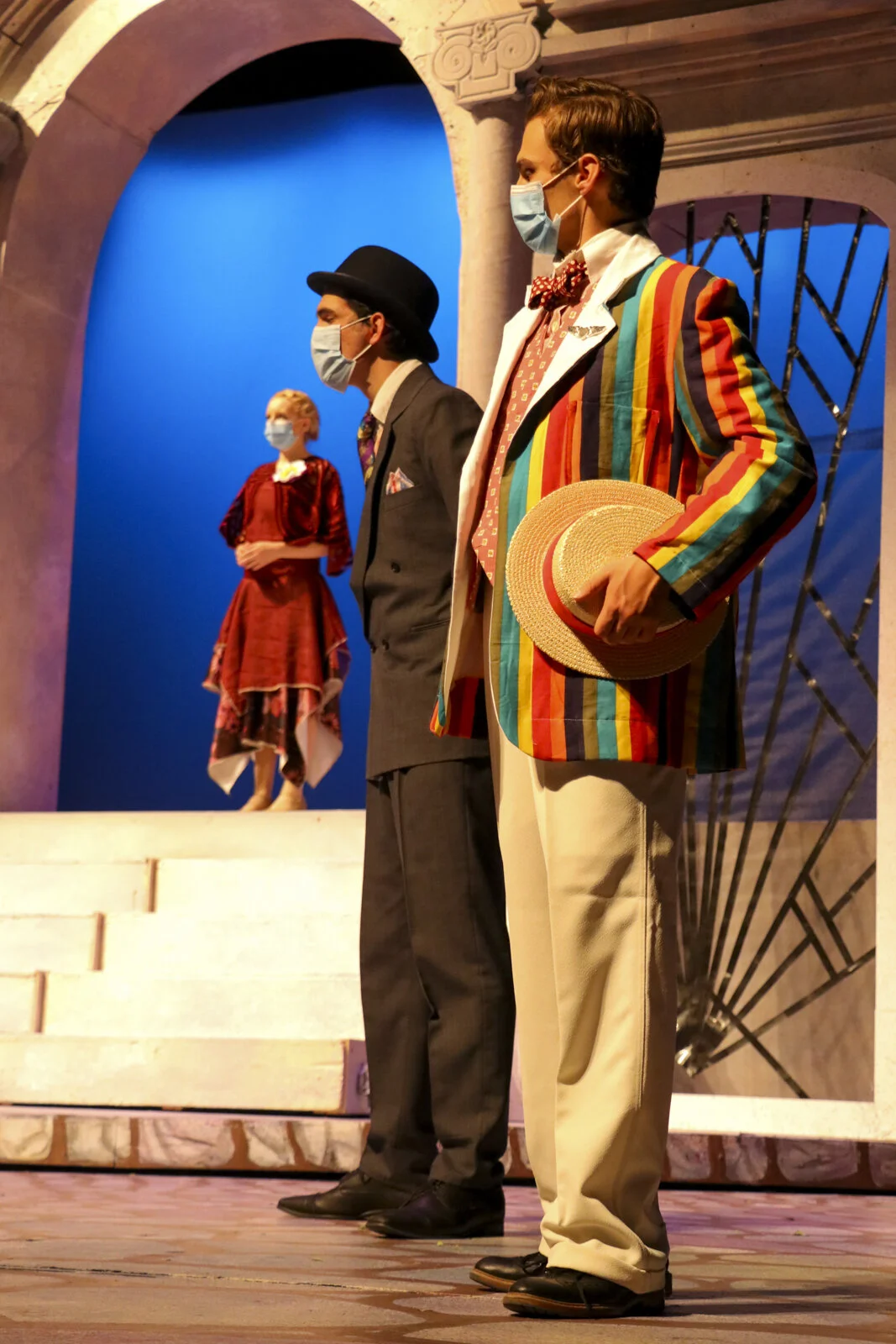
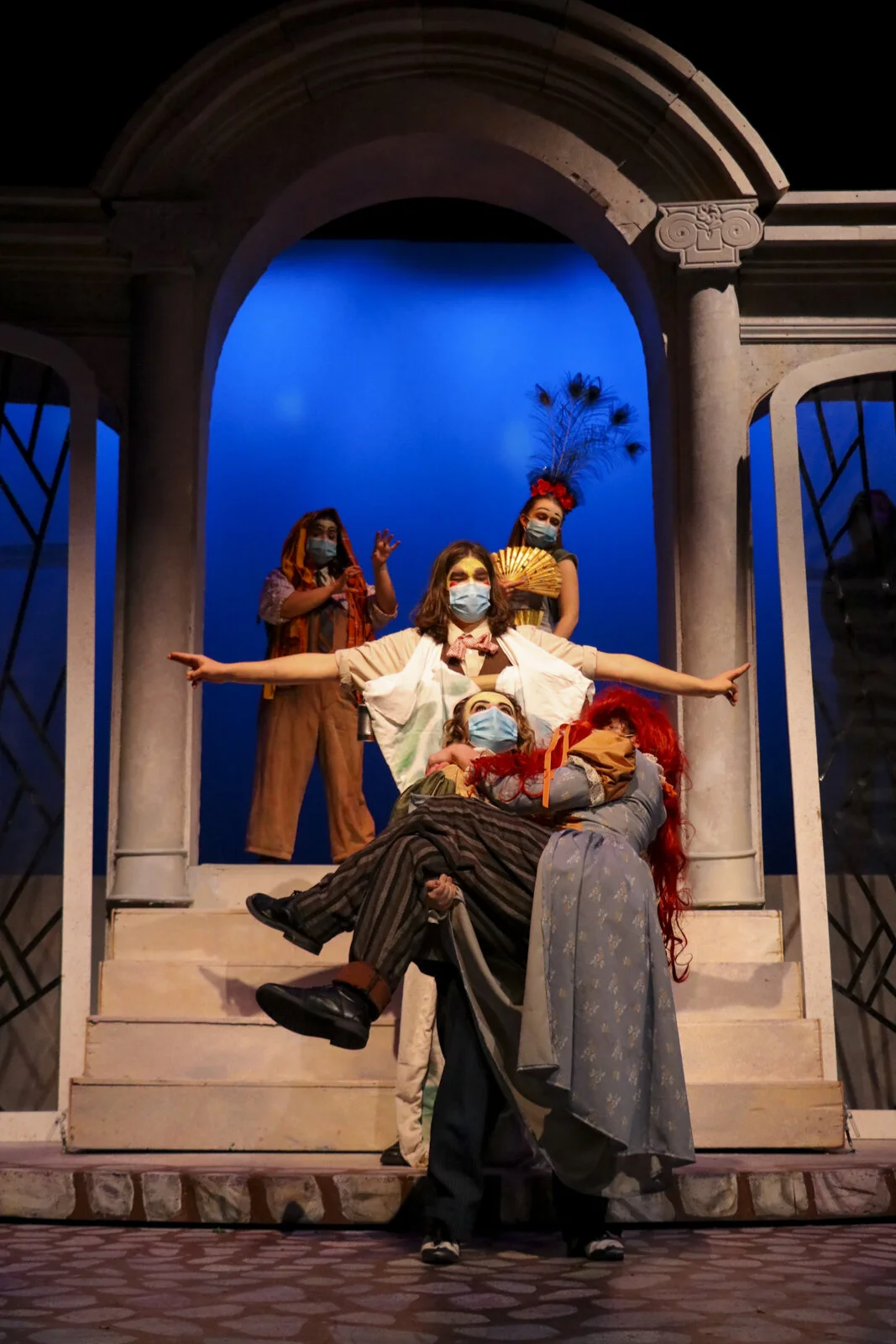
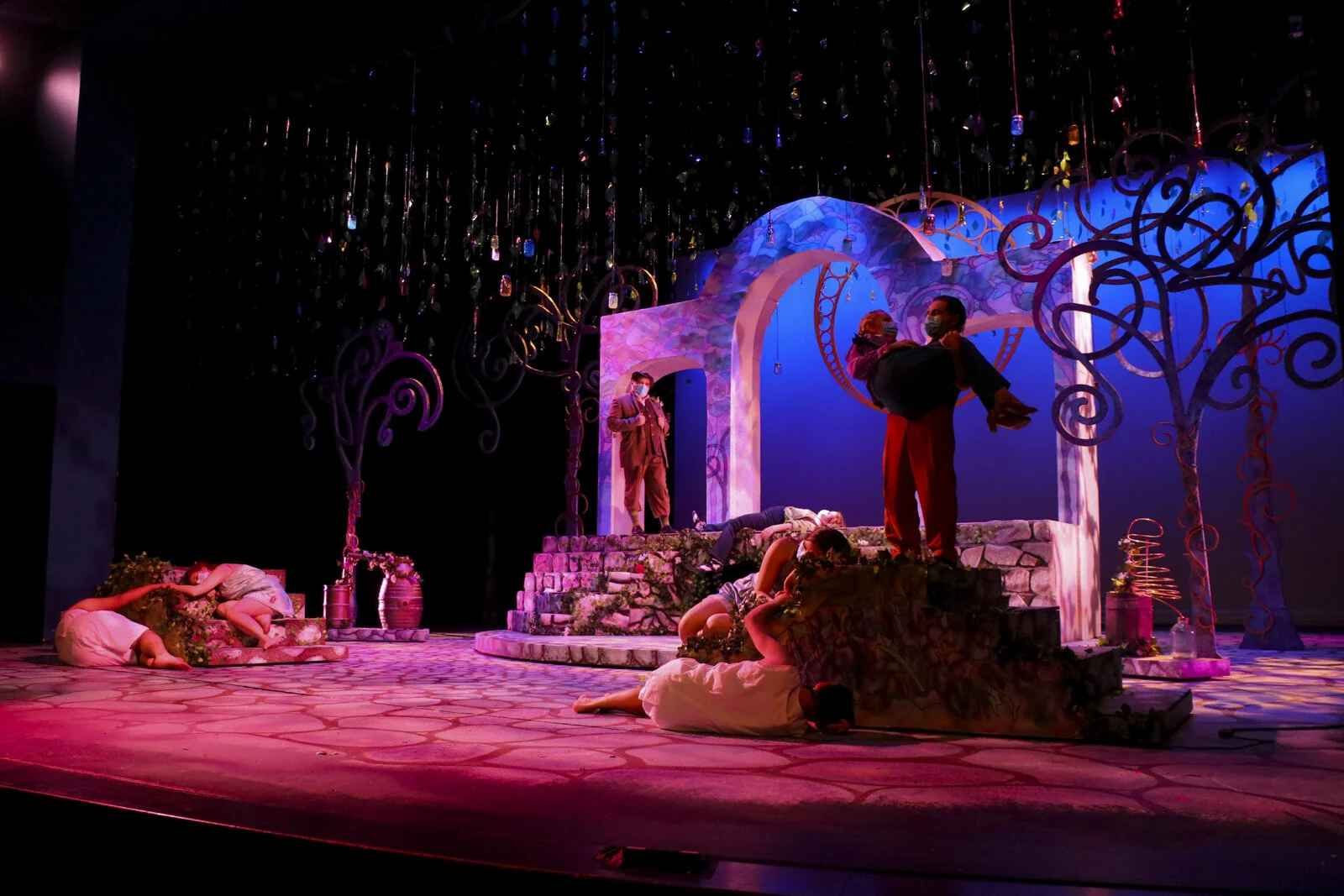
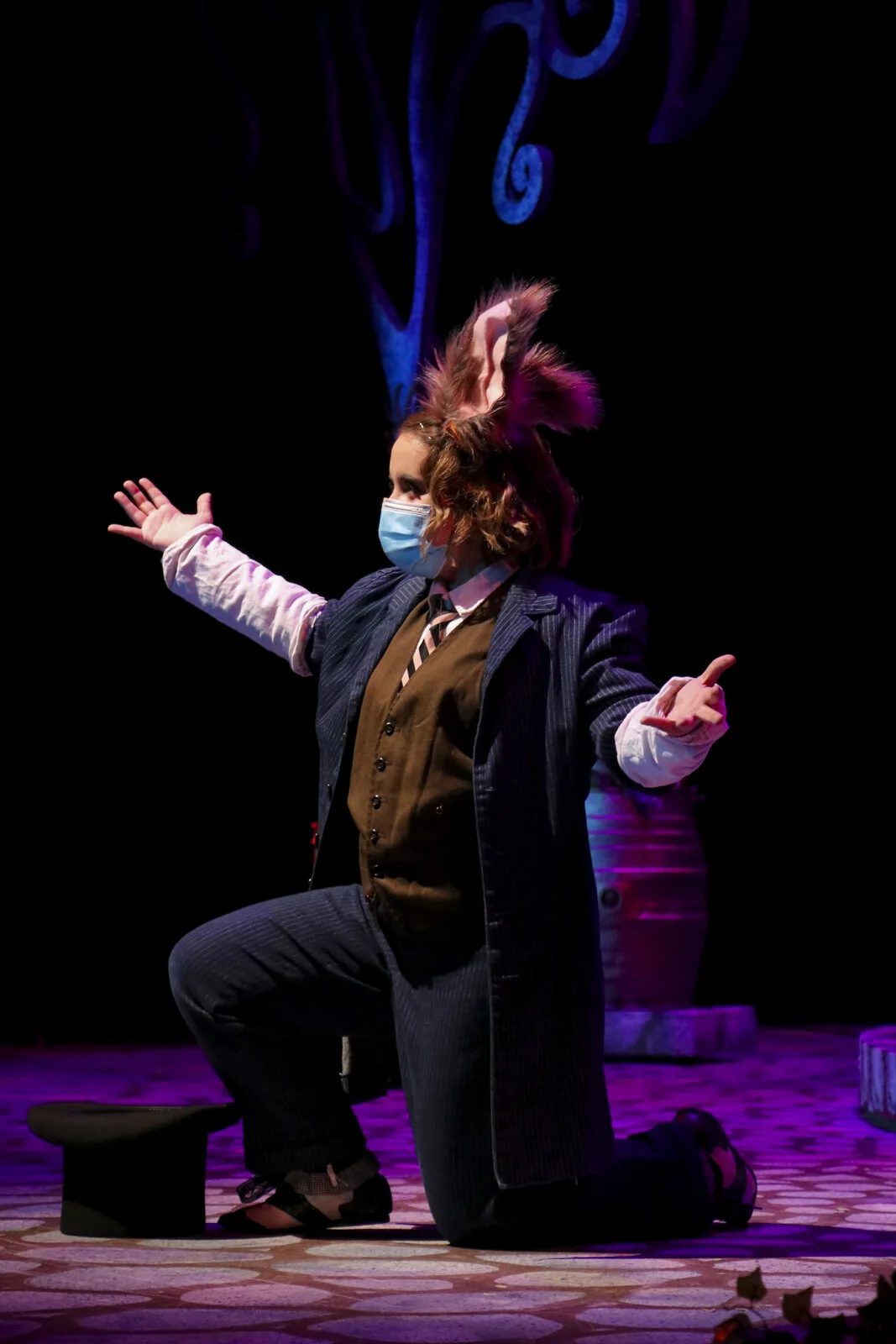
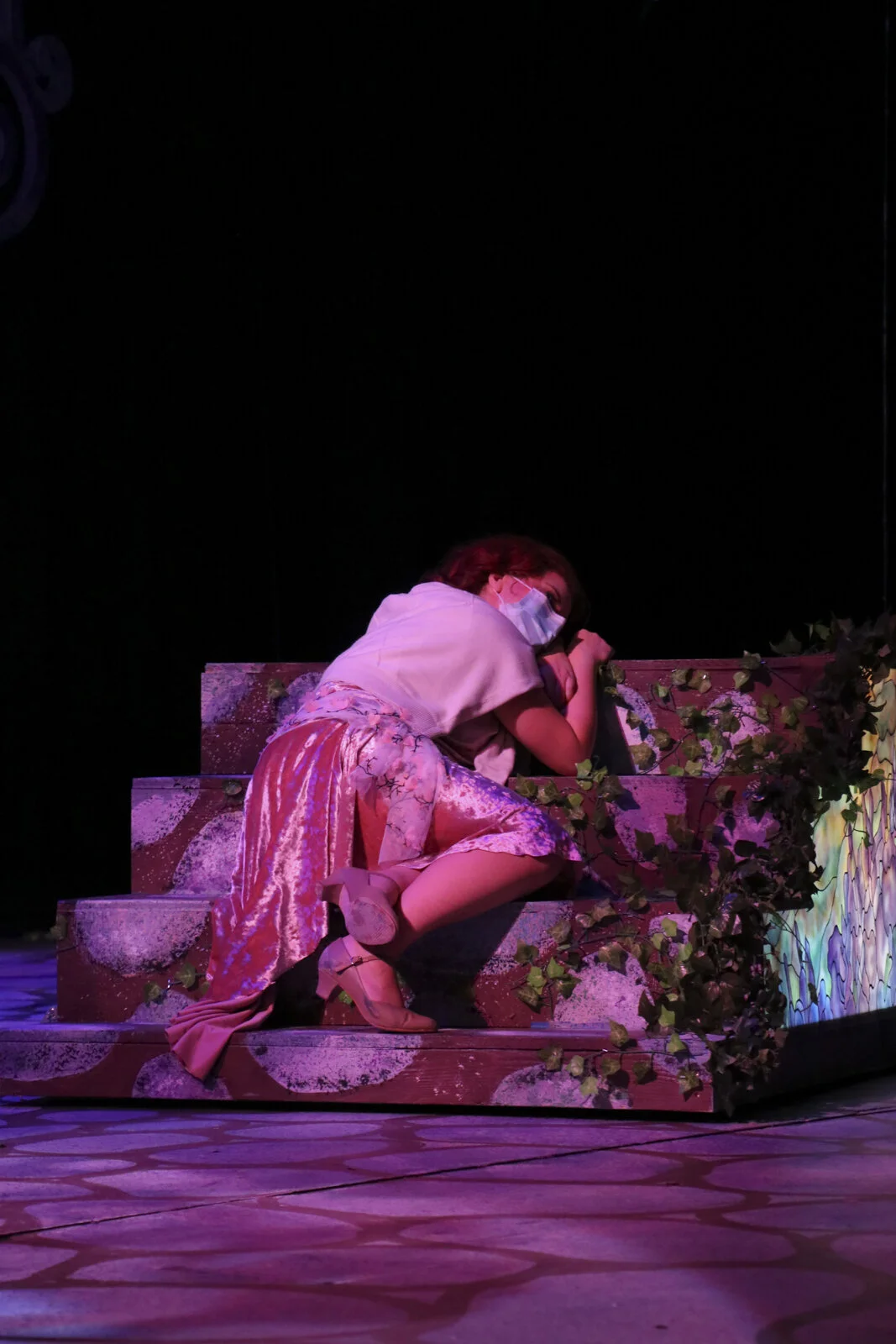
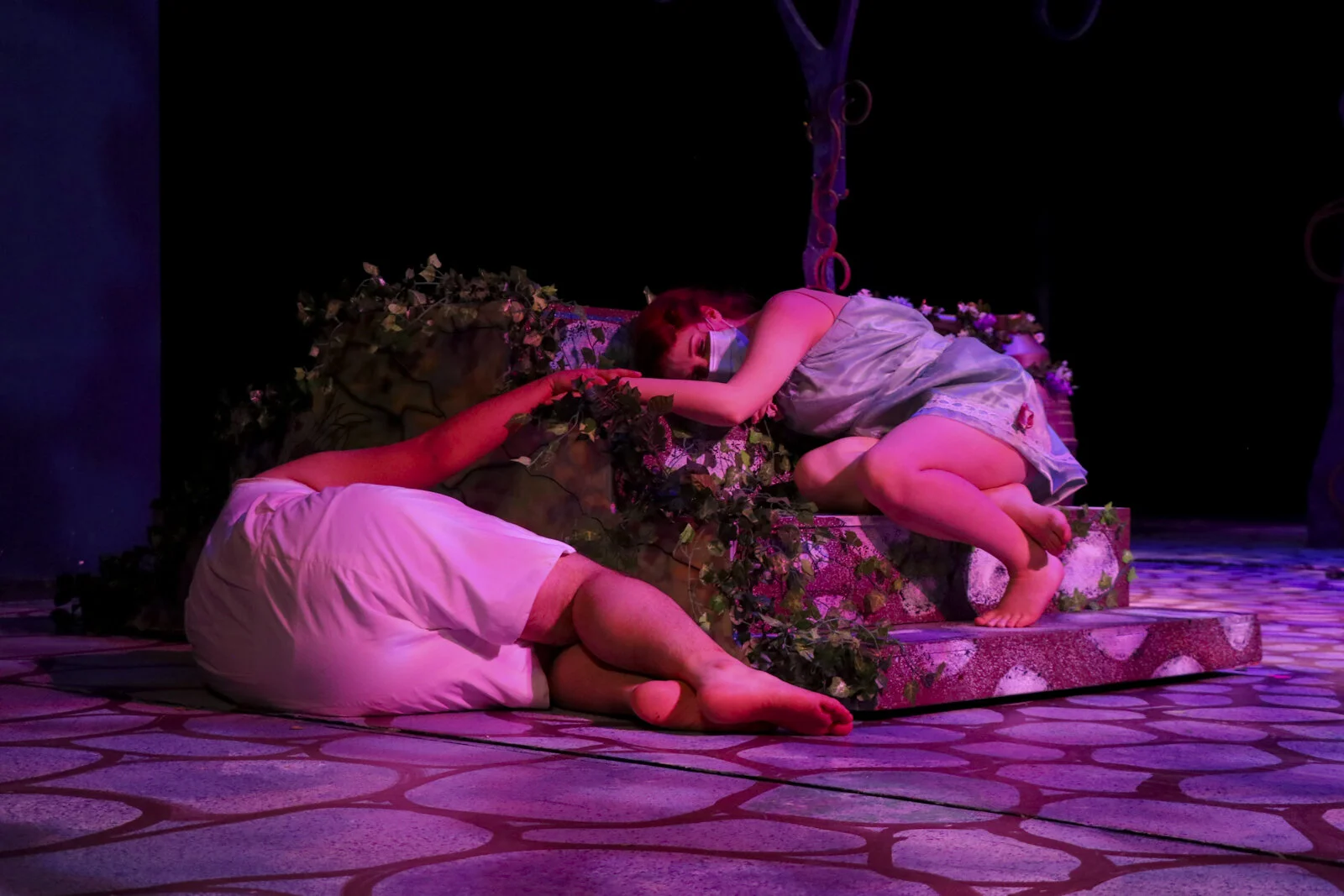
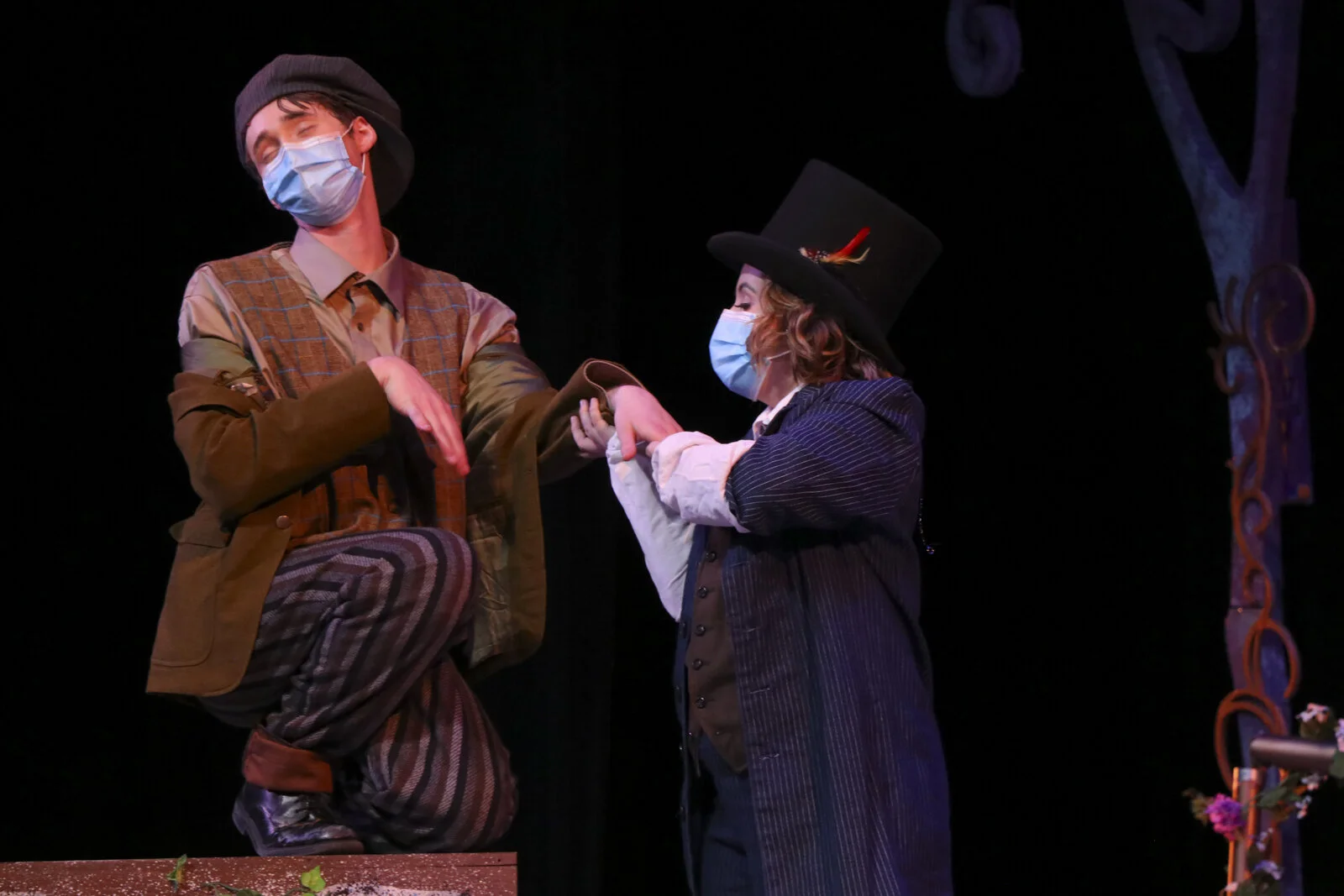
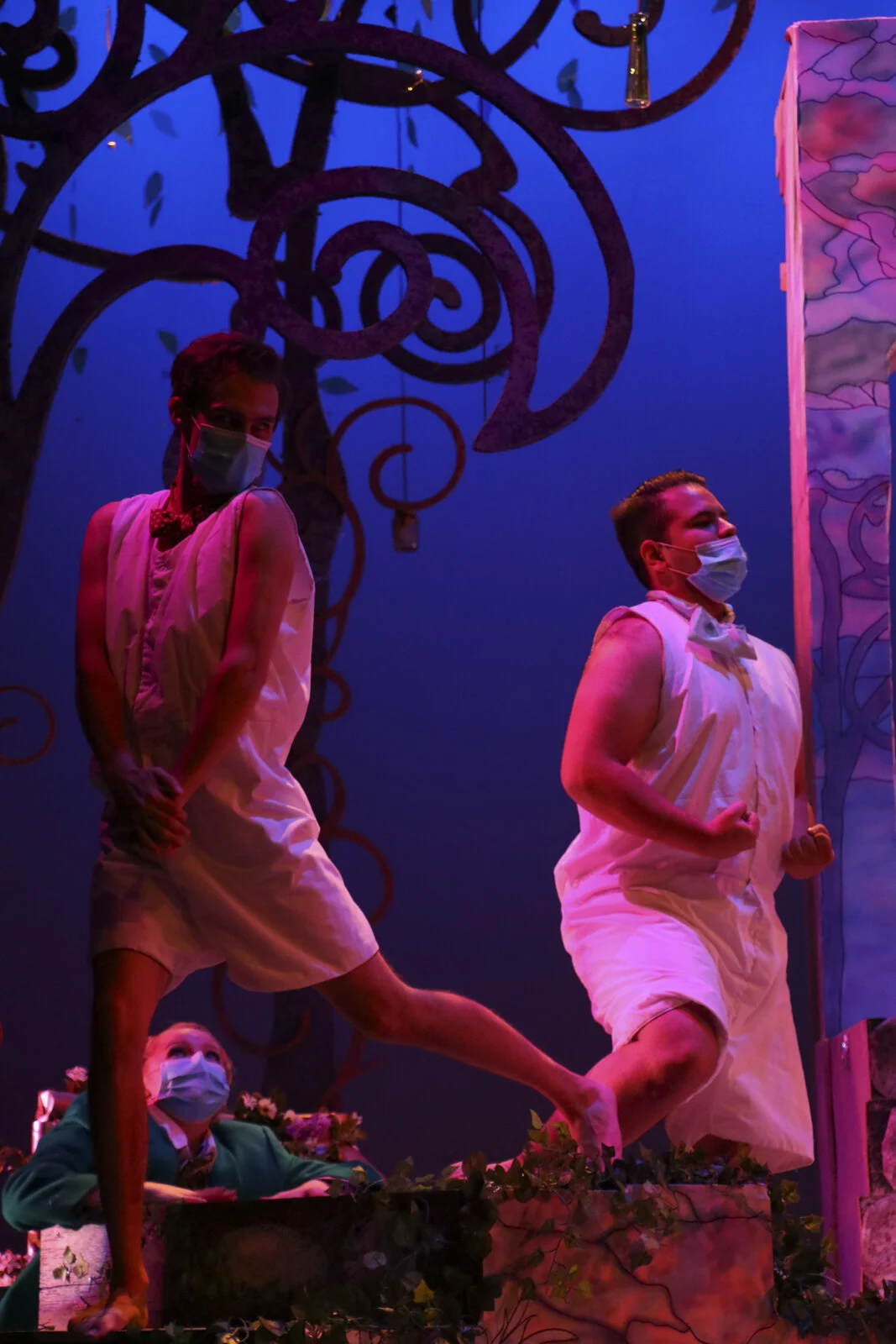
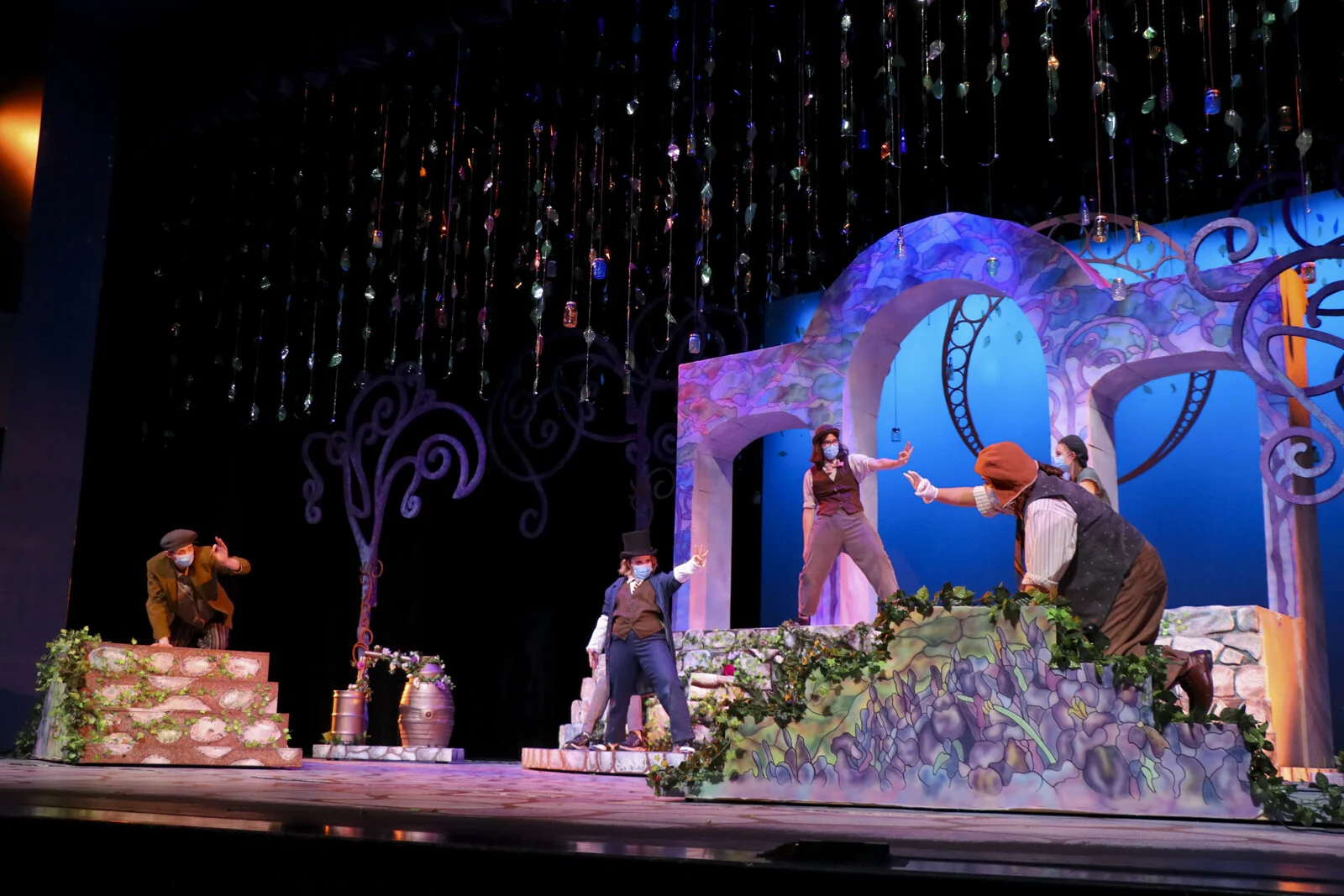
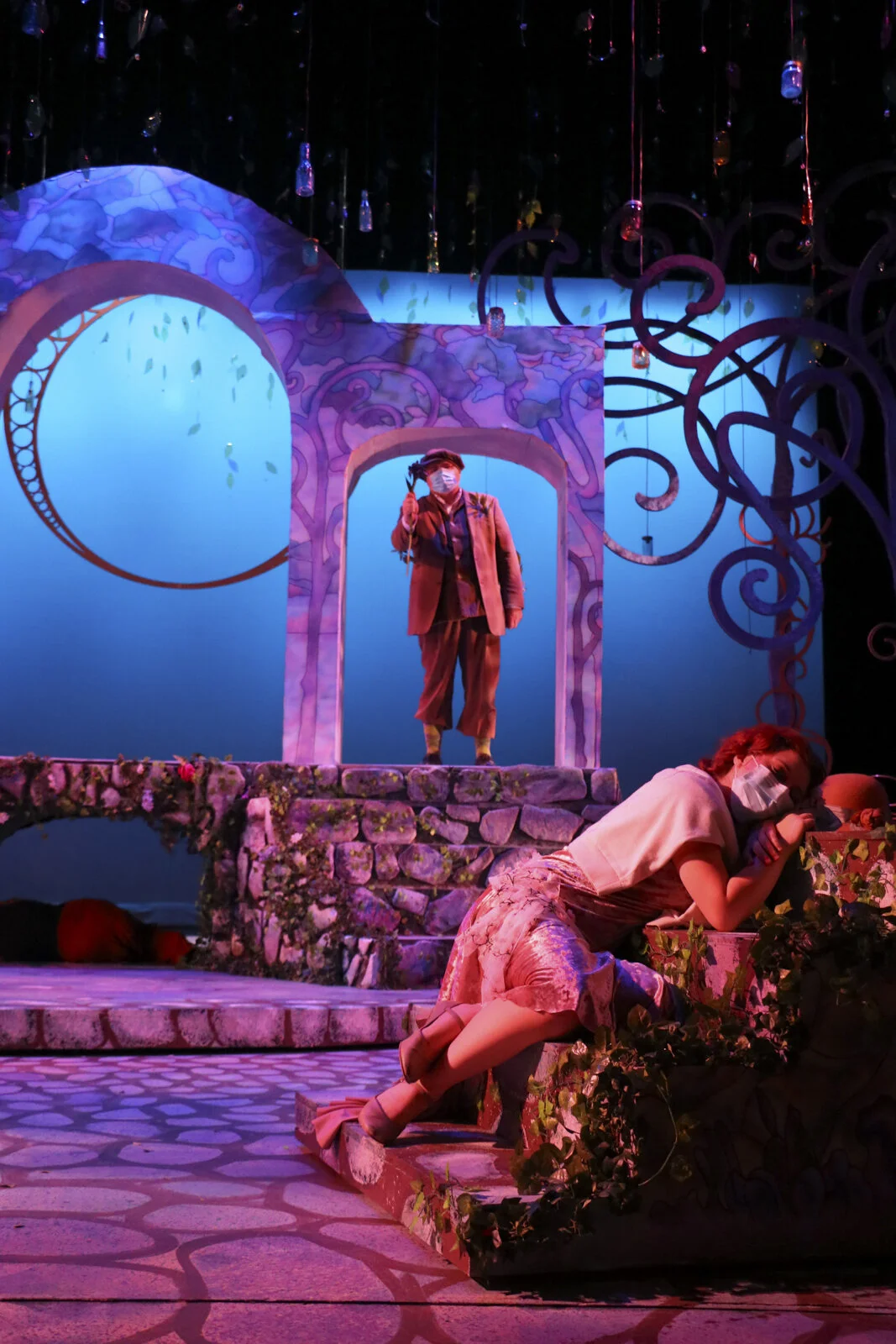
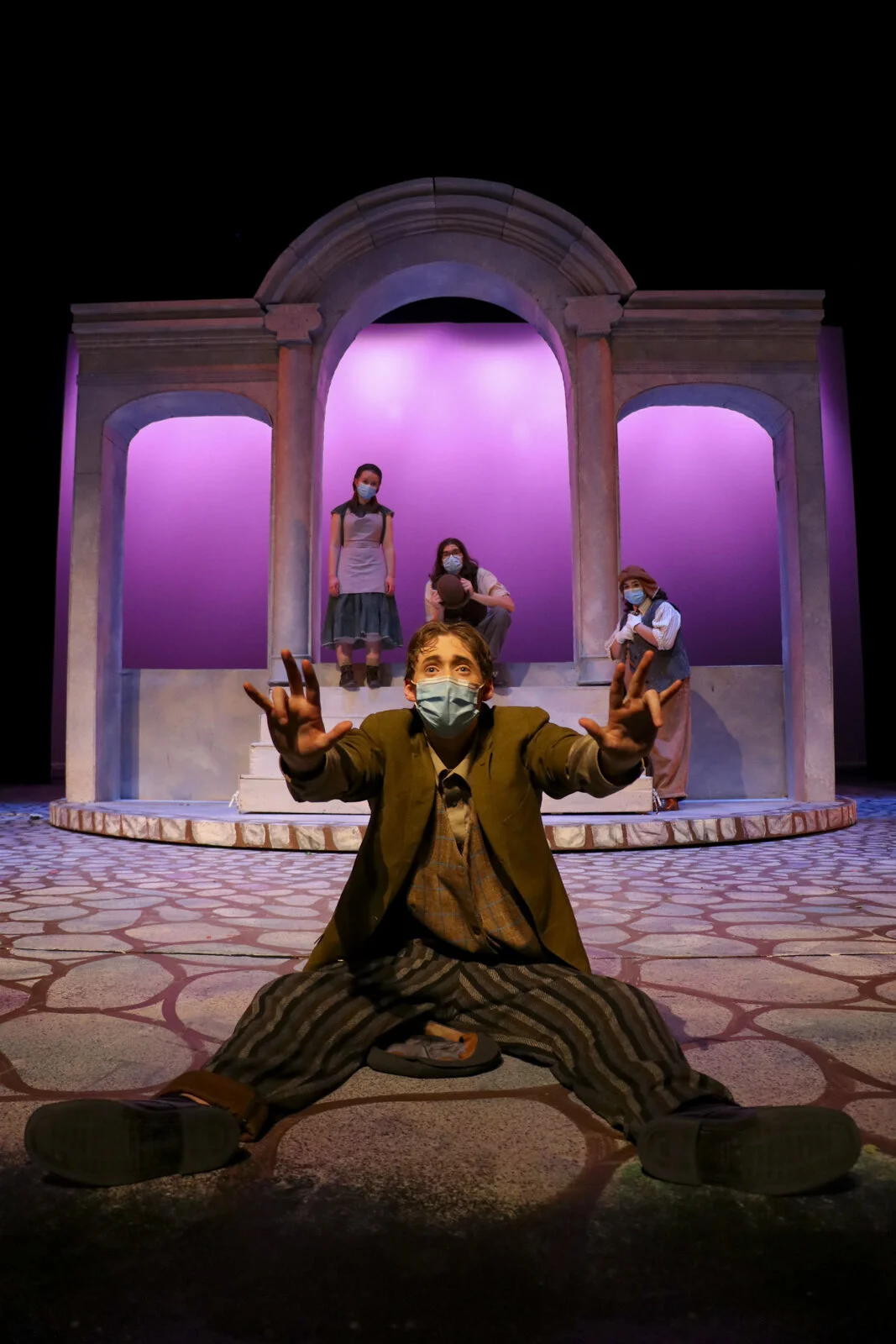
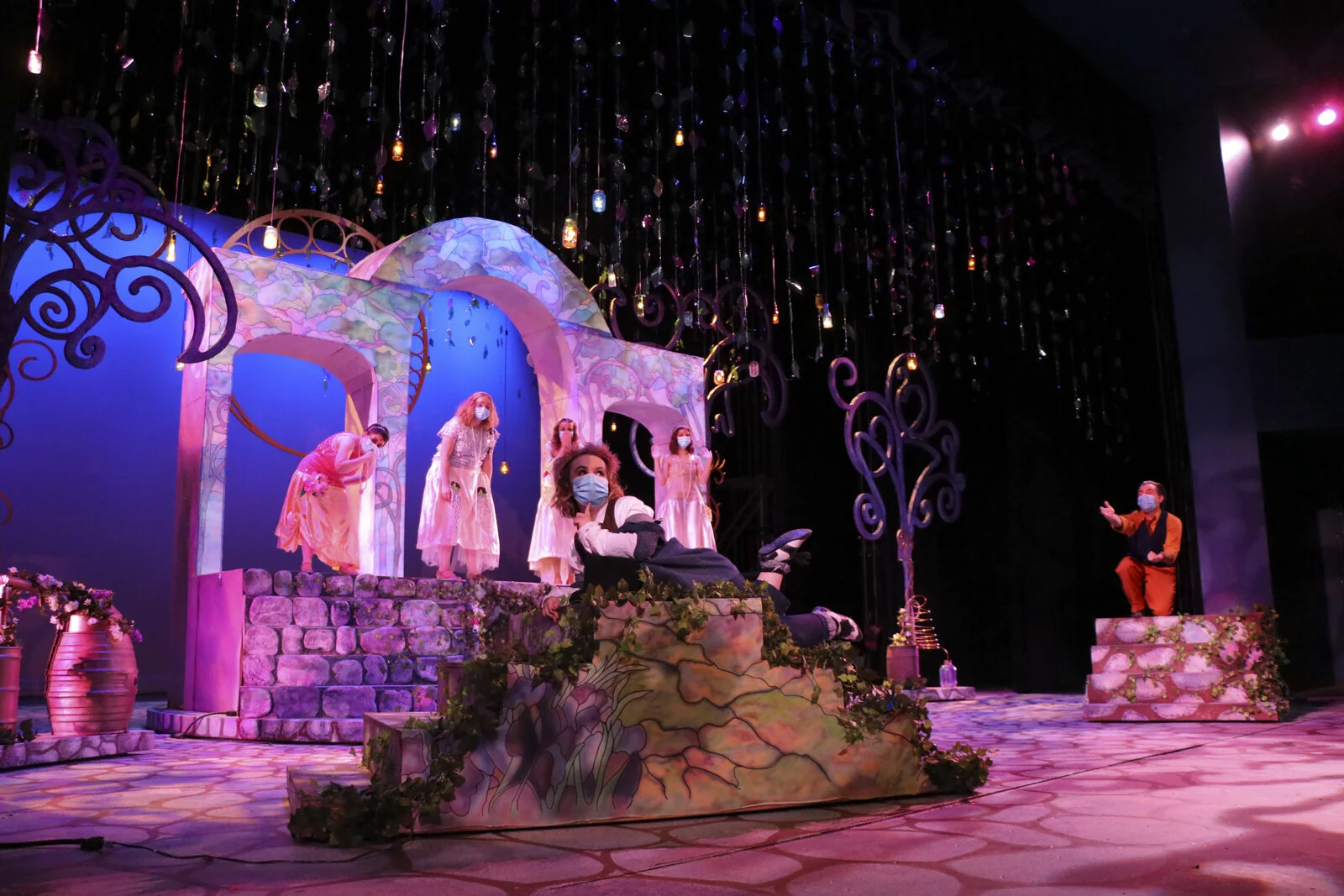
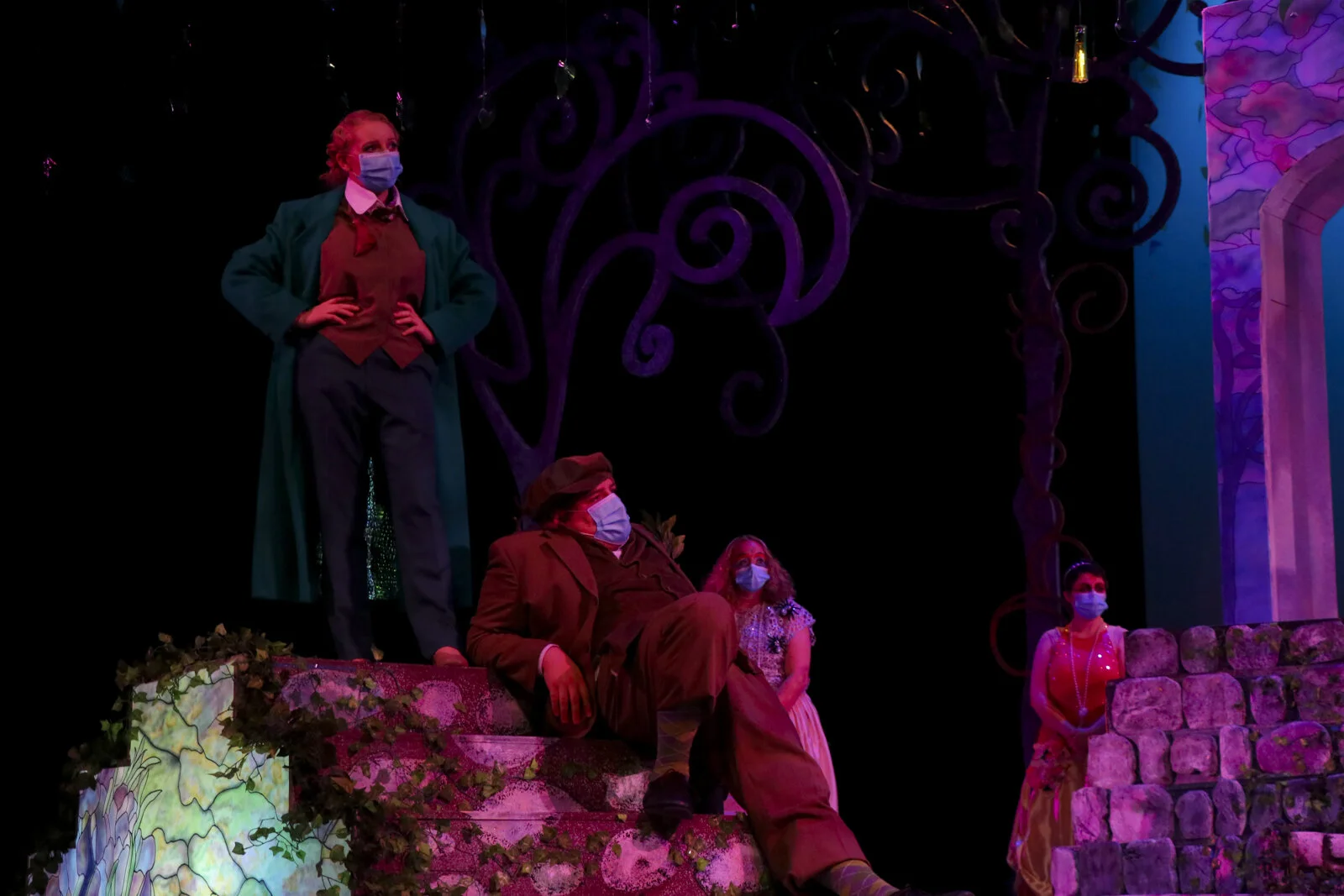
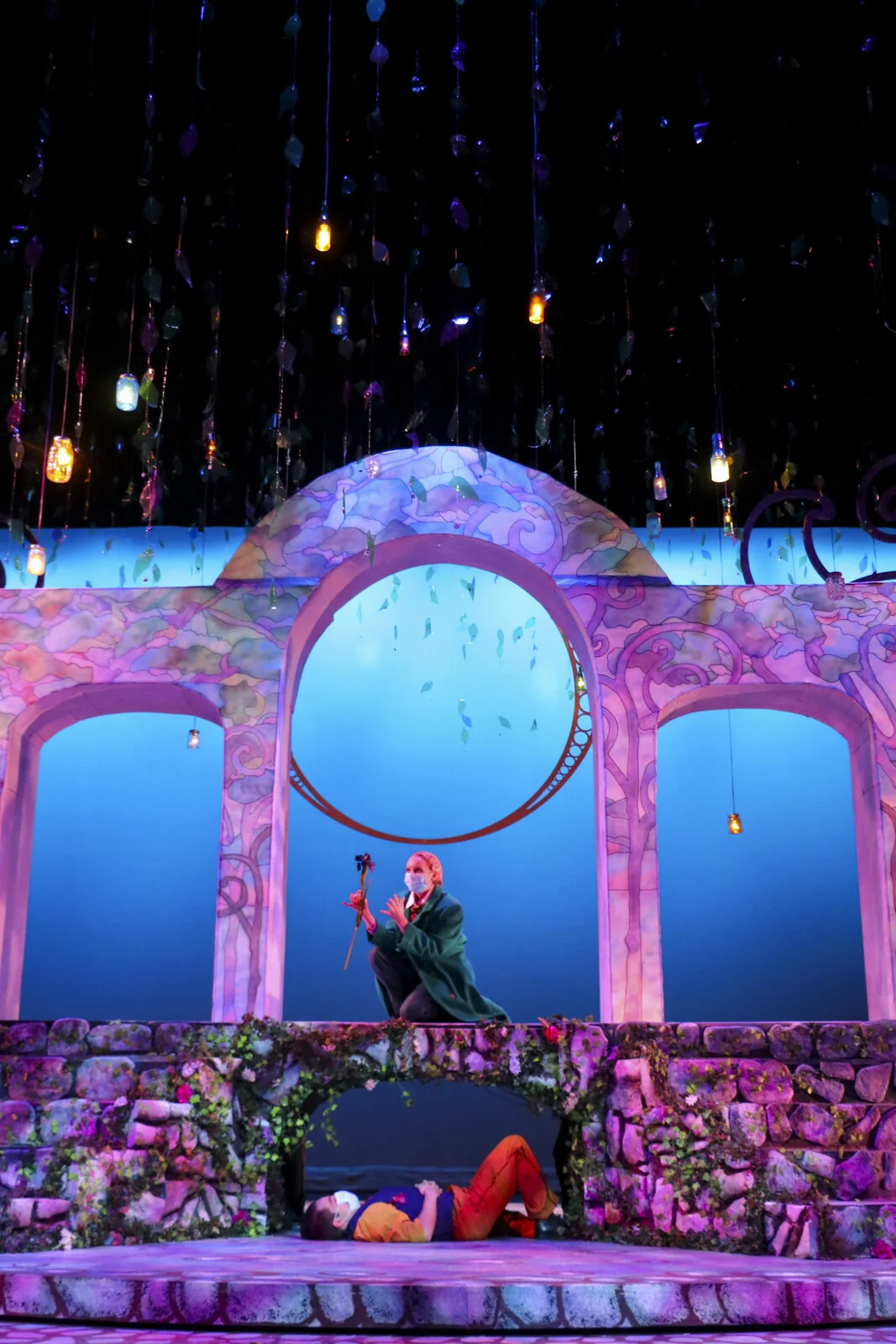
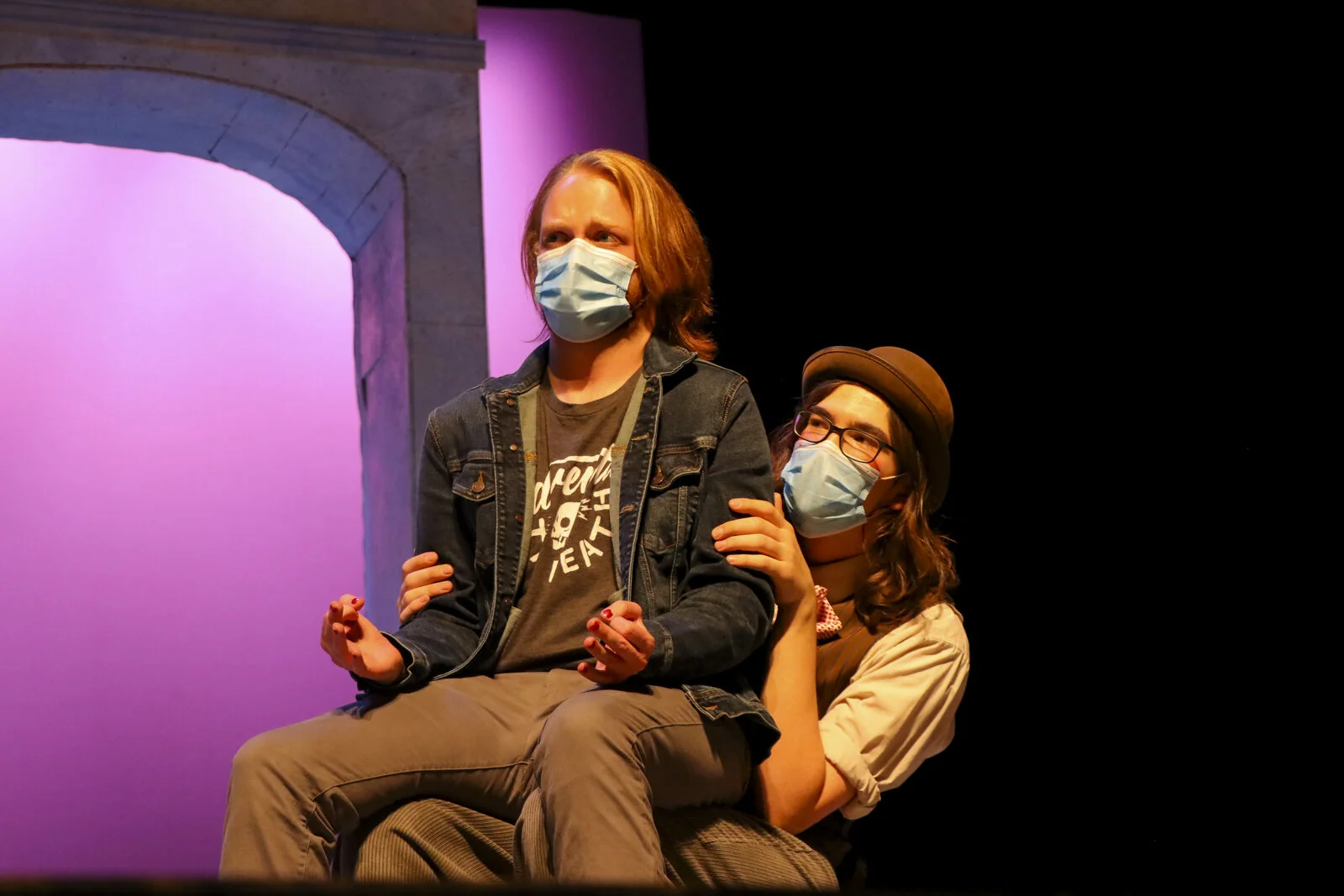
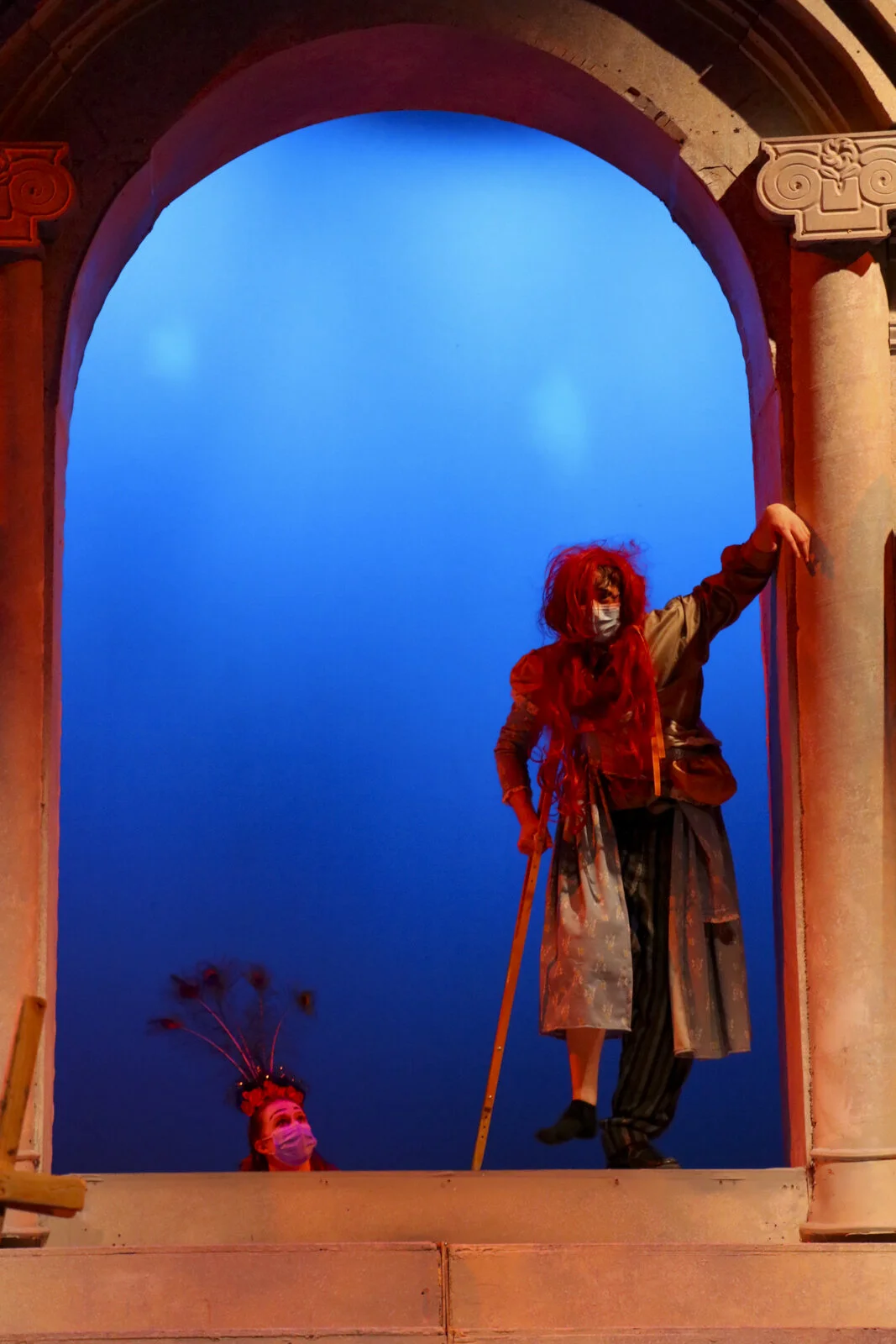
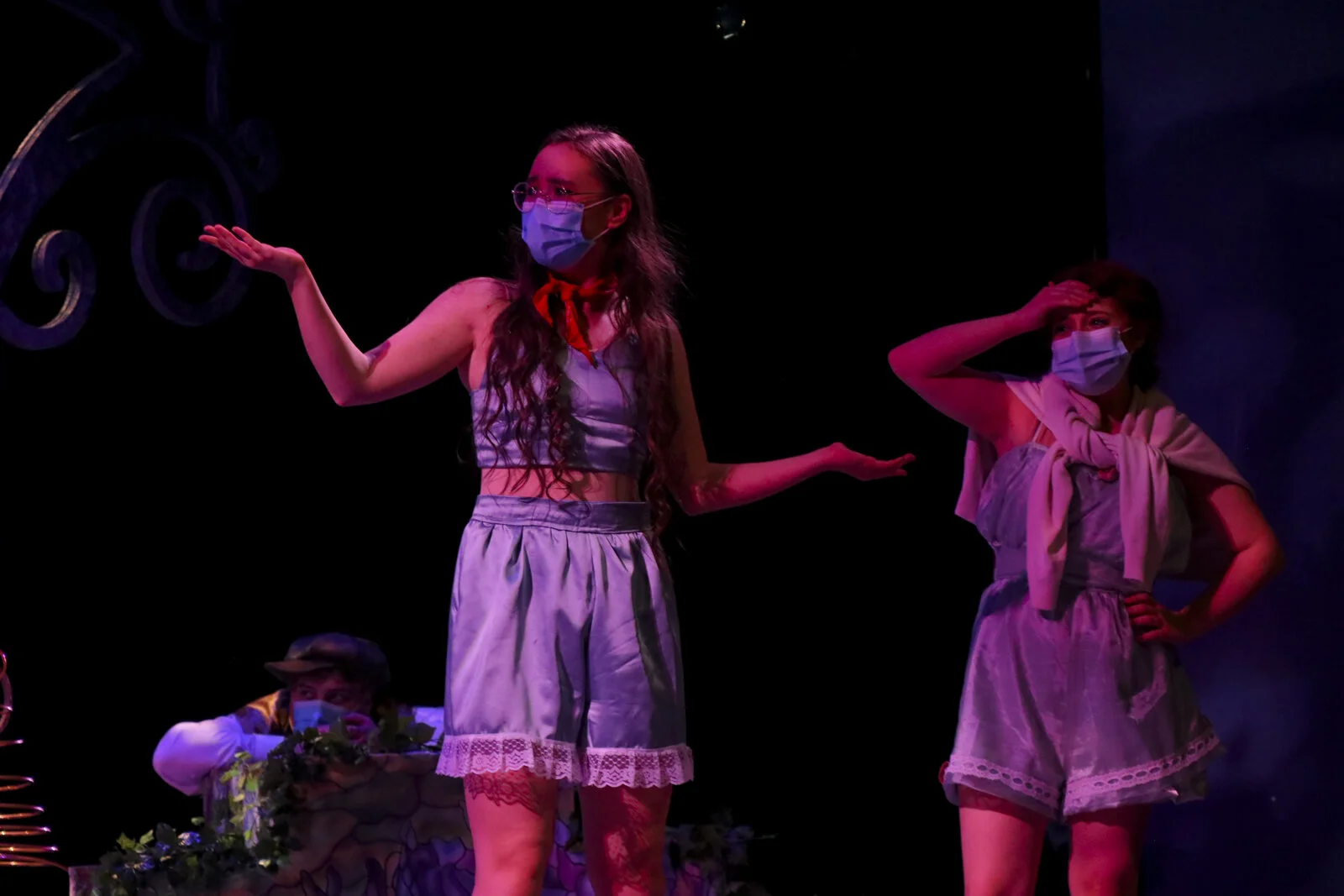
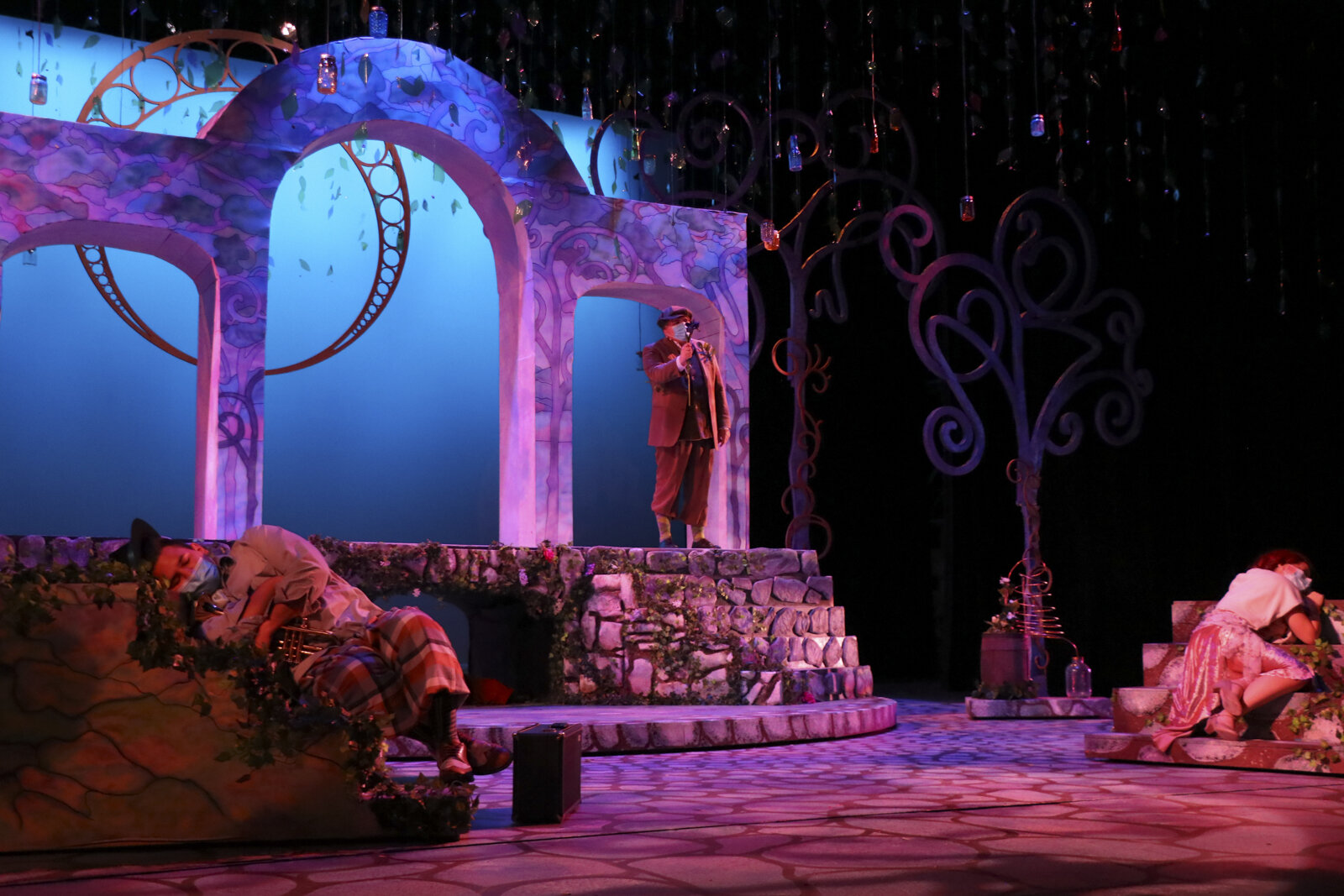
Setting this play in the Roaring Twenties is more than an interesting academic background, however — it gives us cultural elements to play with that are frankly a lot of fun. Instead of Shakespearean songs or traditional Elizabethan dances, you’ll hear the sounds and see the steps popular in the early 20th century America. Our “rude mechanicals” (those hard-handed men practicing Pyramus and Thisbe) might have splashes of vaudeville alongside that brand of humor seen on The Globe’s stage. Our fairies are certainly magical, but like those dwellers in the forests hiding away from humanity in the 20s, they also might argue over and trade in a moonshine certainly no respectable person would be drinking during Prohibition. My hope and intent is that this transformation from Shakespeare’s day to 1920s Appalachia might let you, too, see this familiar play anew.
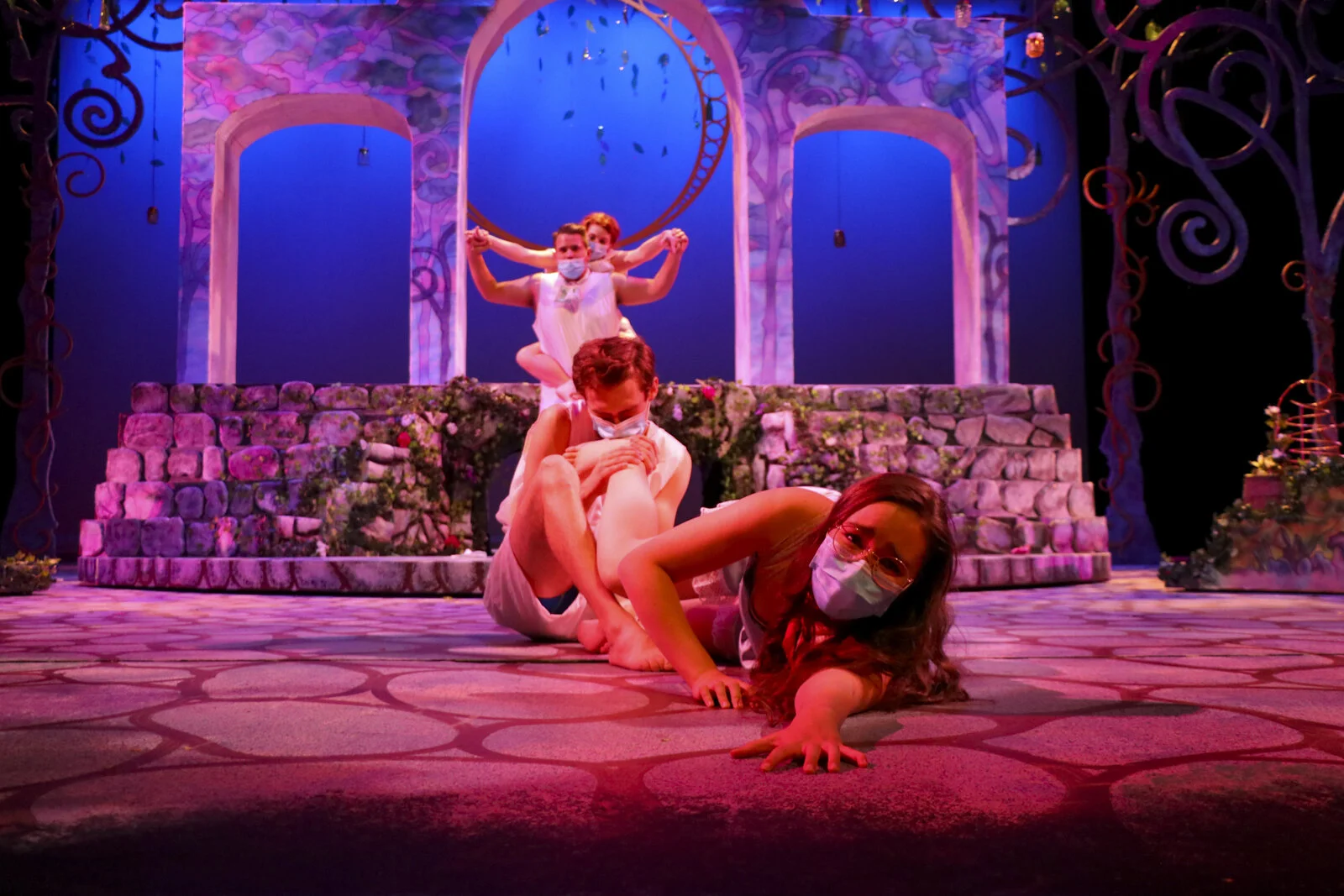
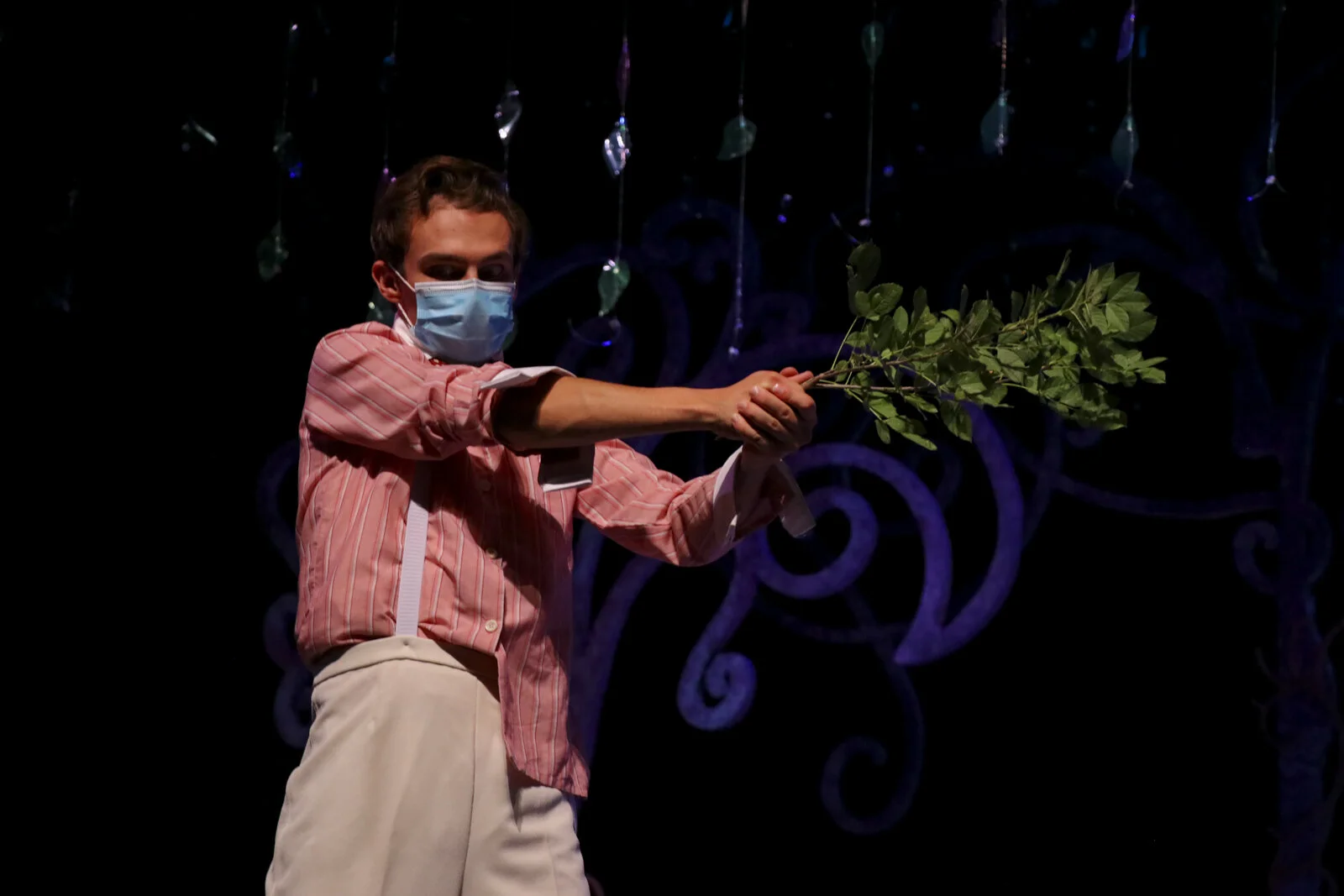
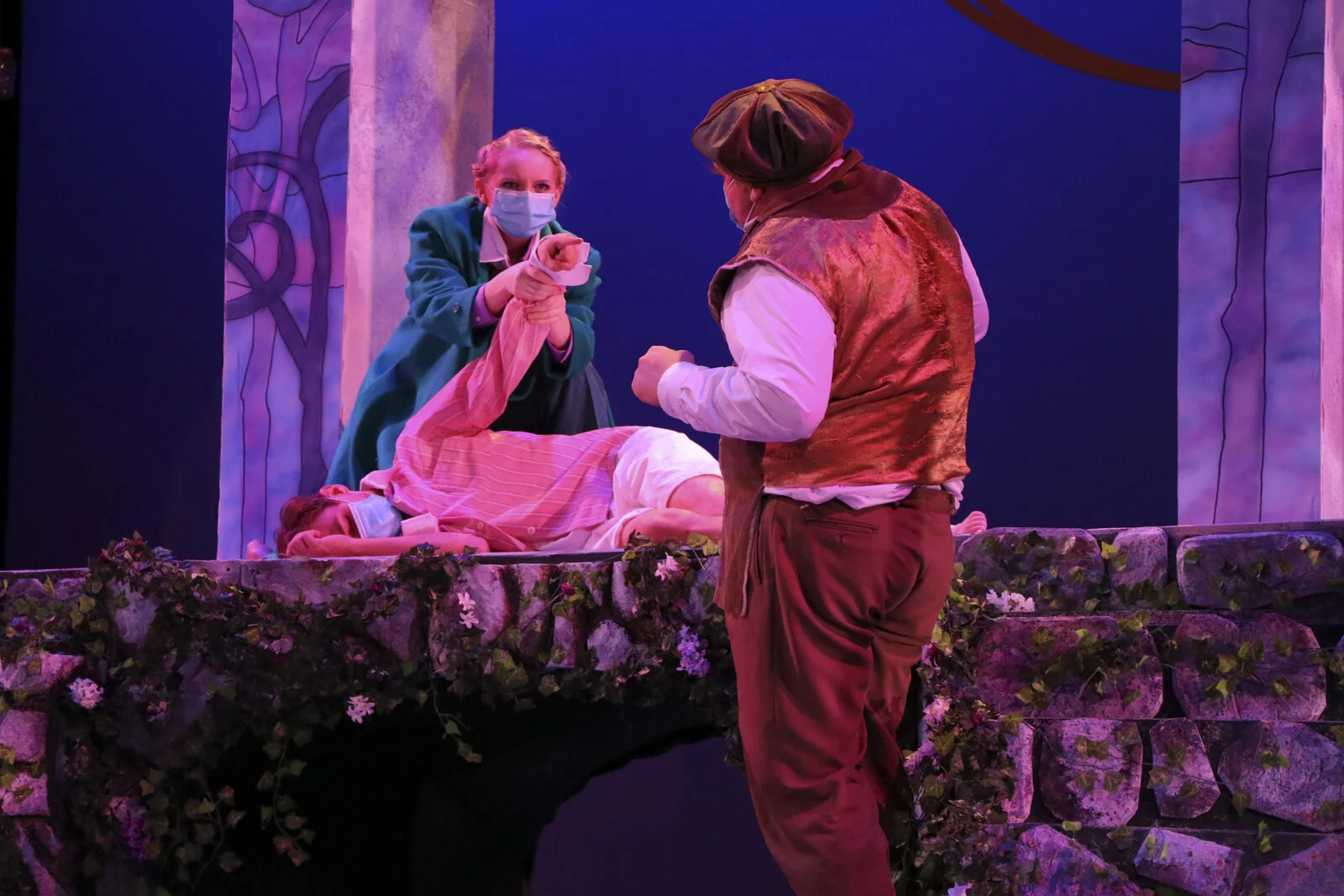
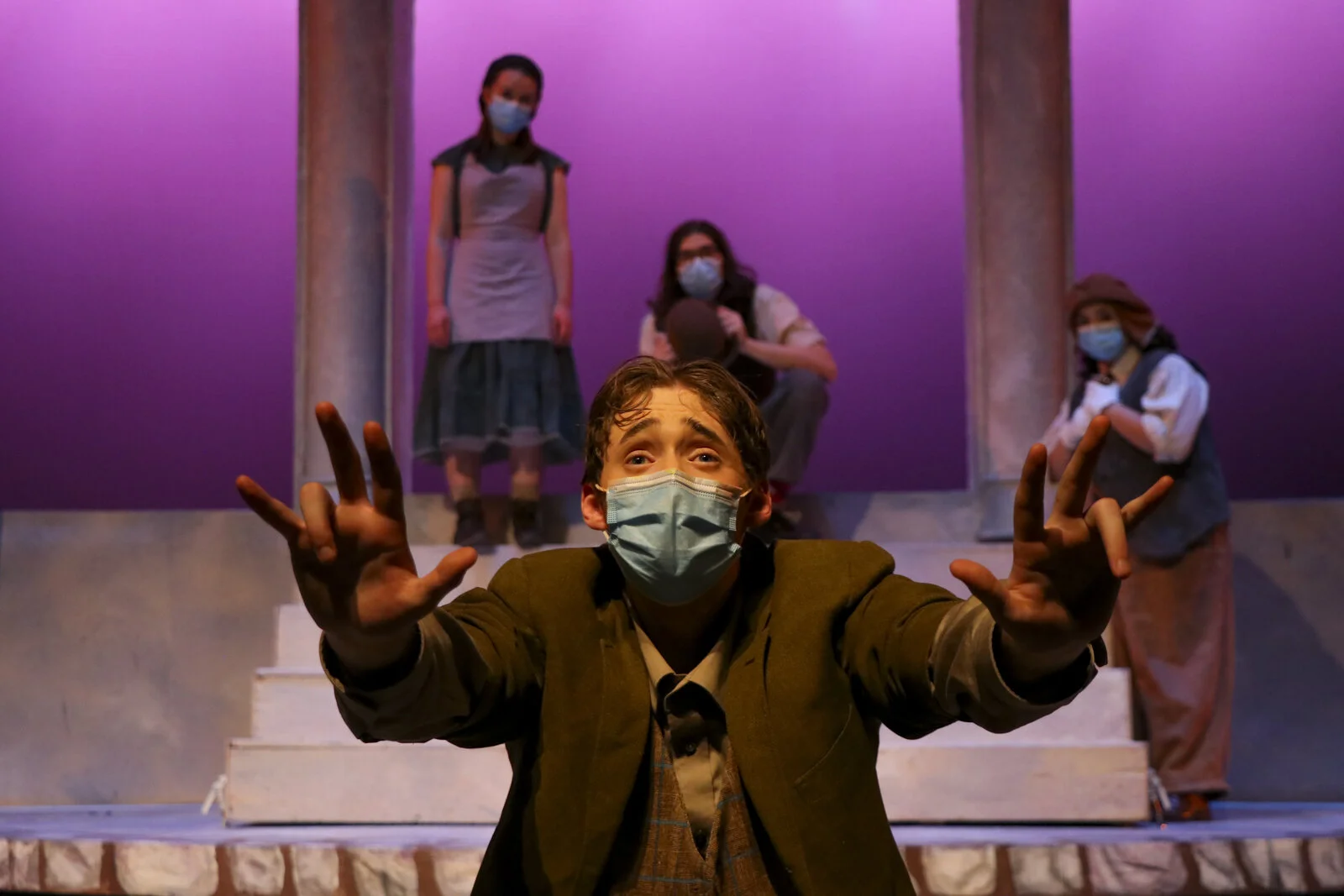
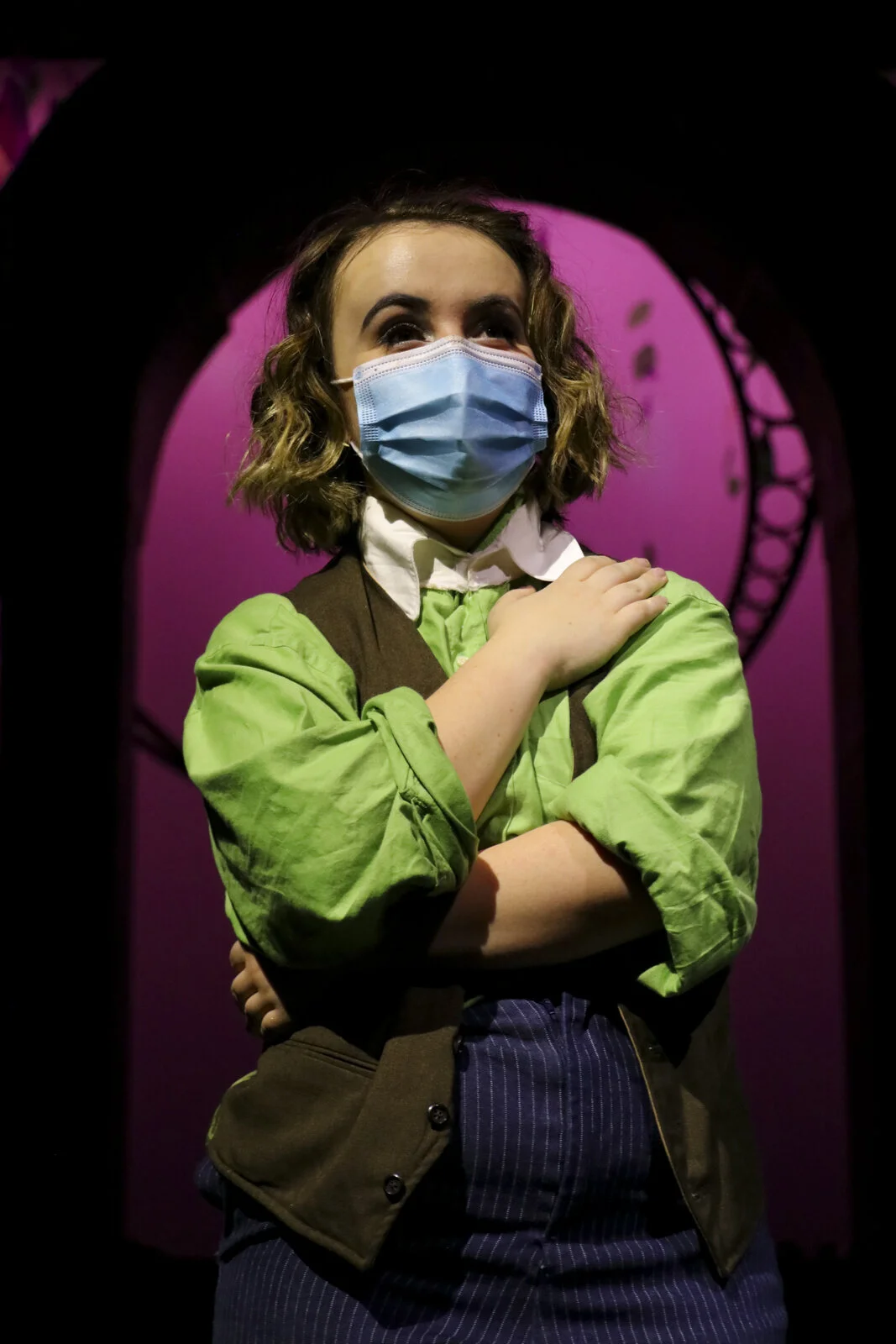
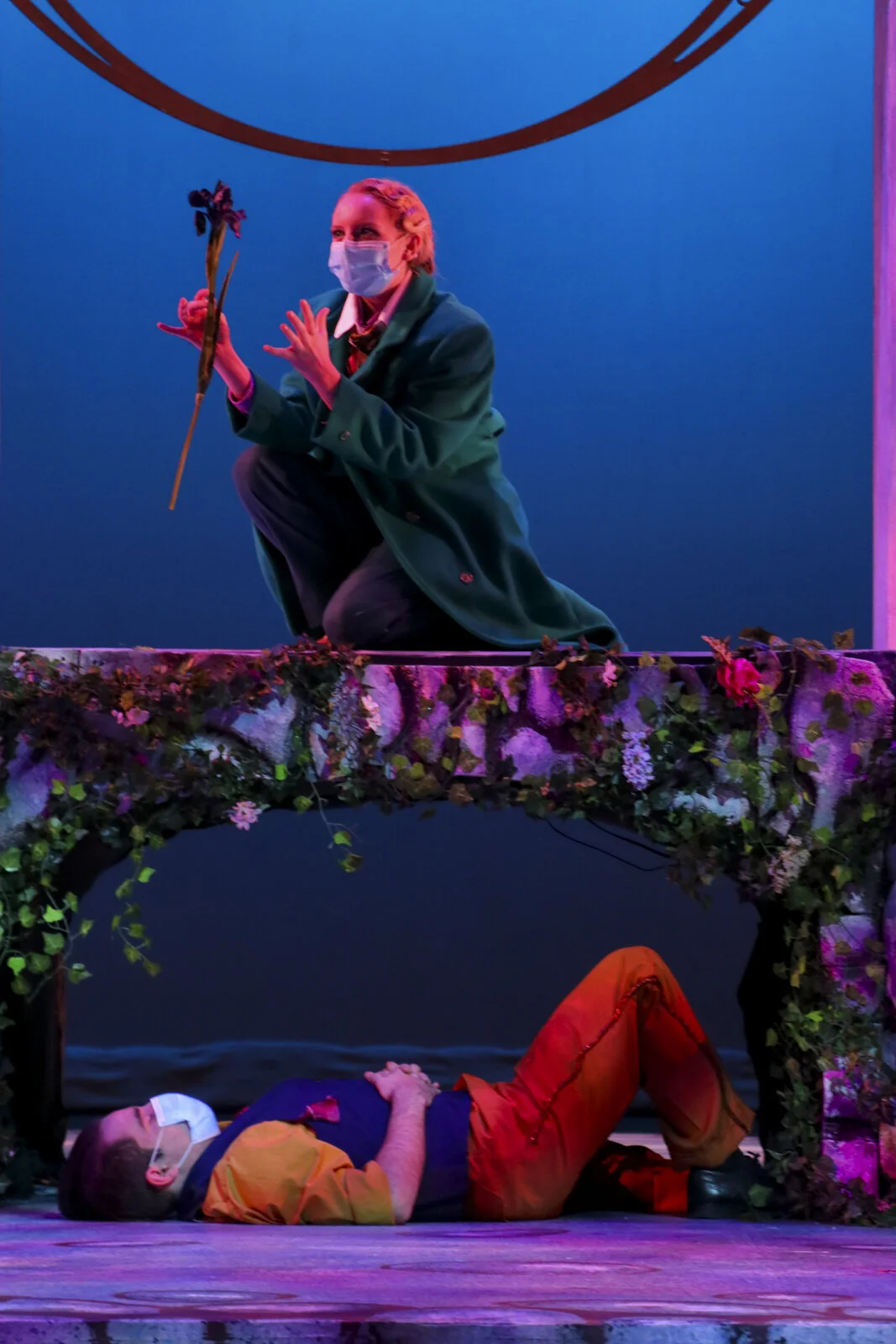
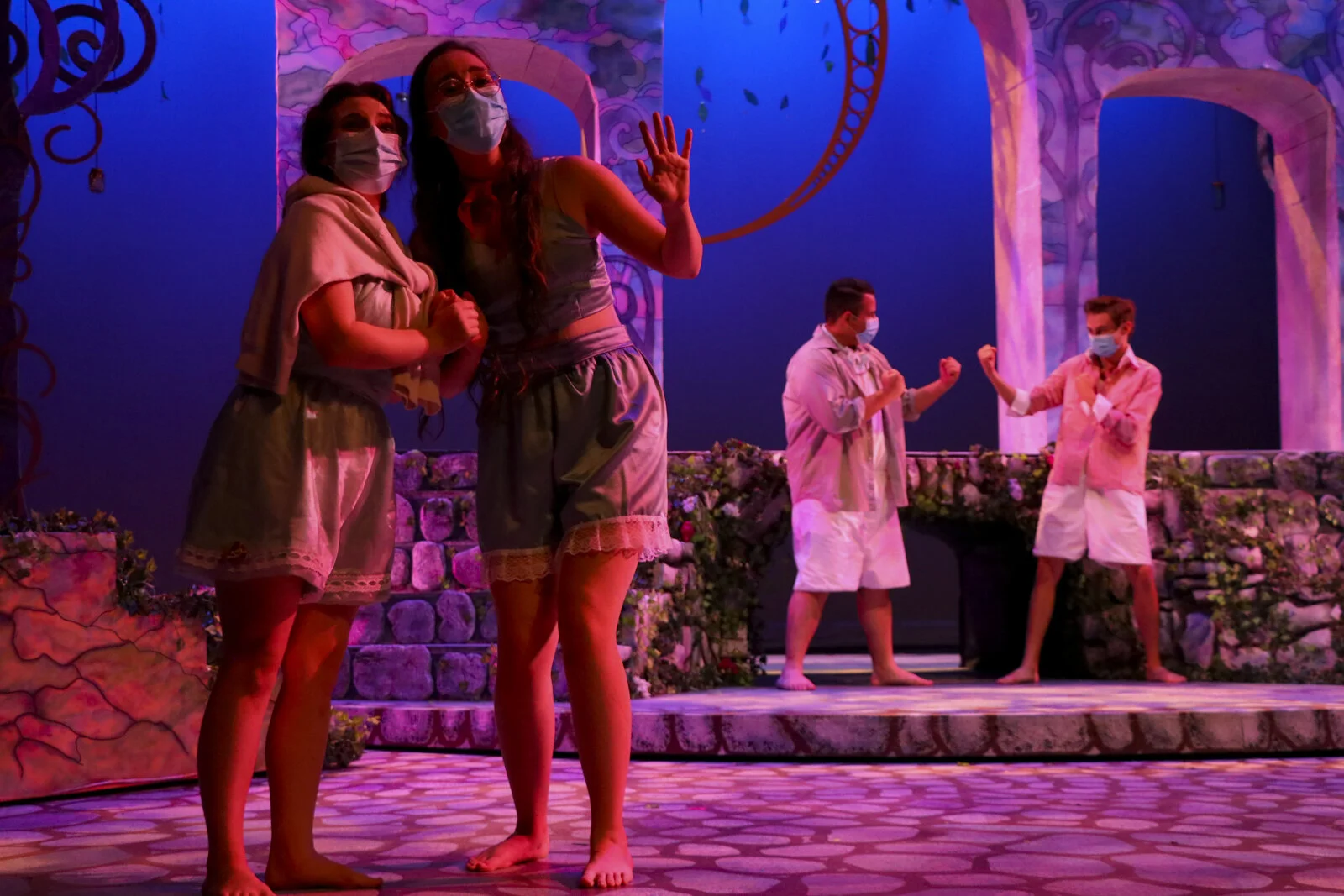
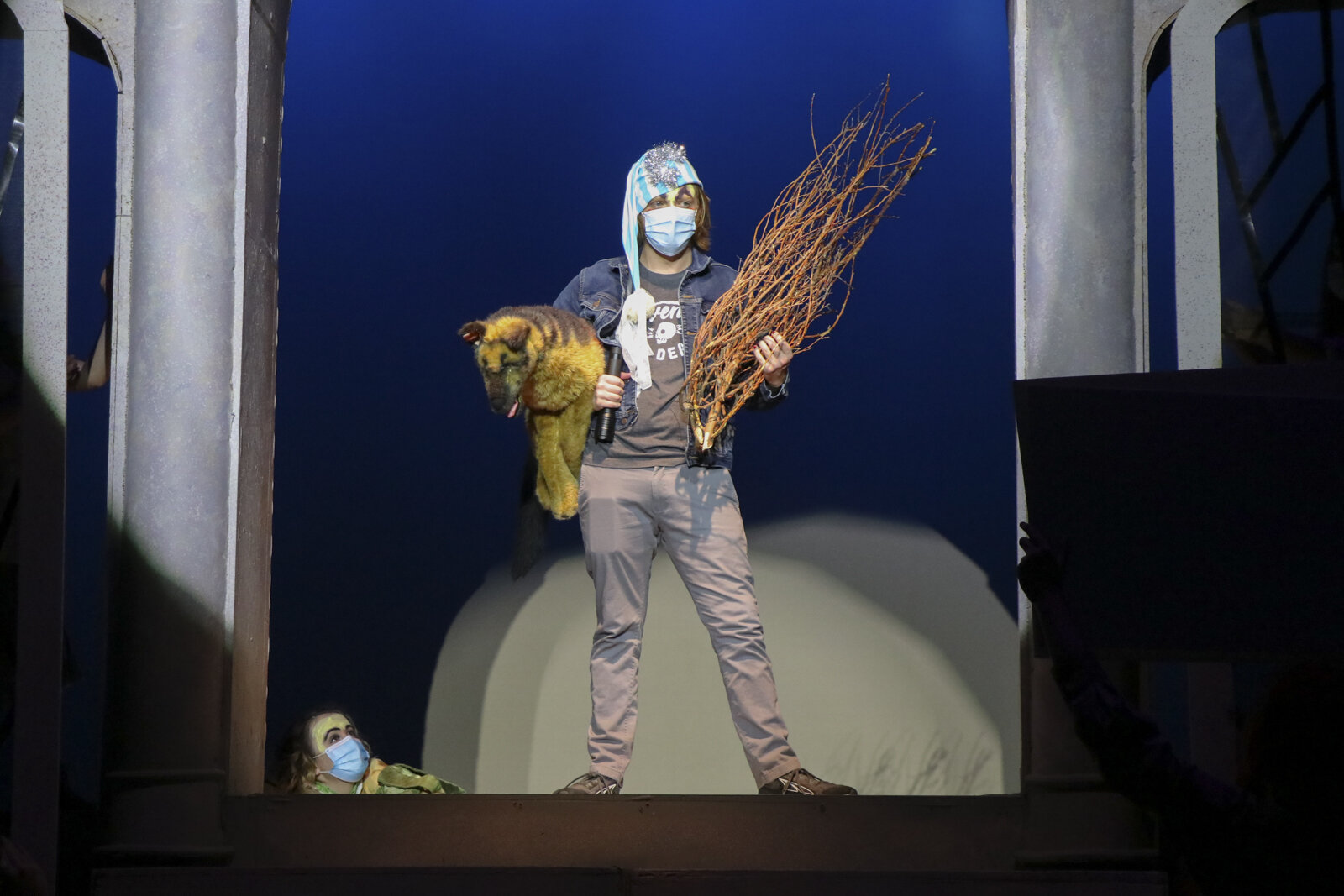
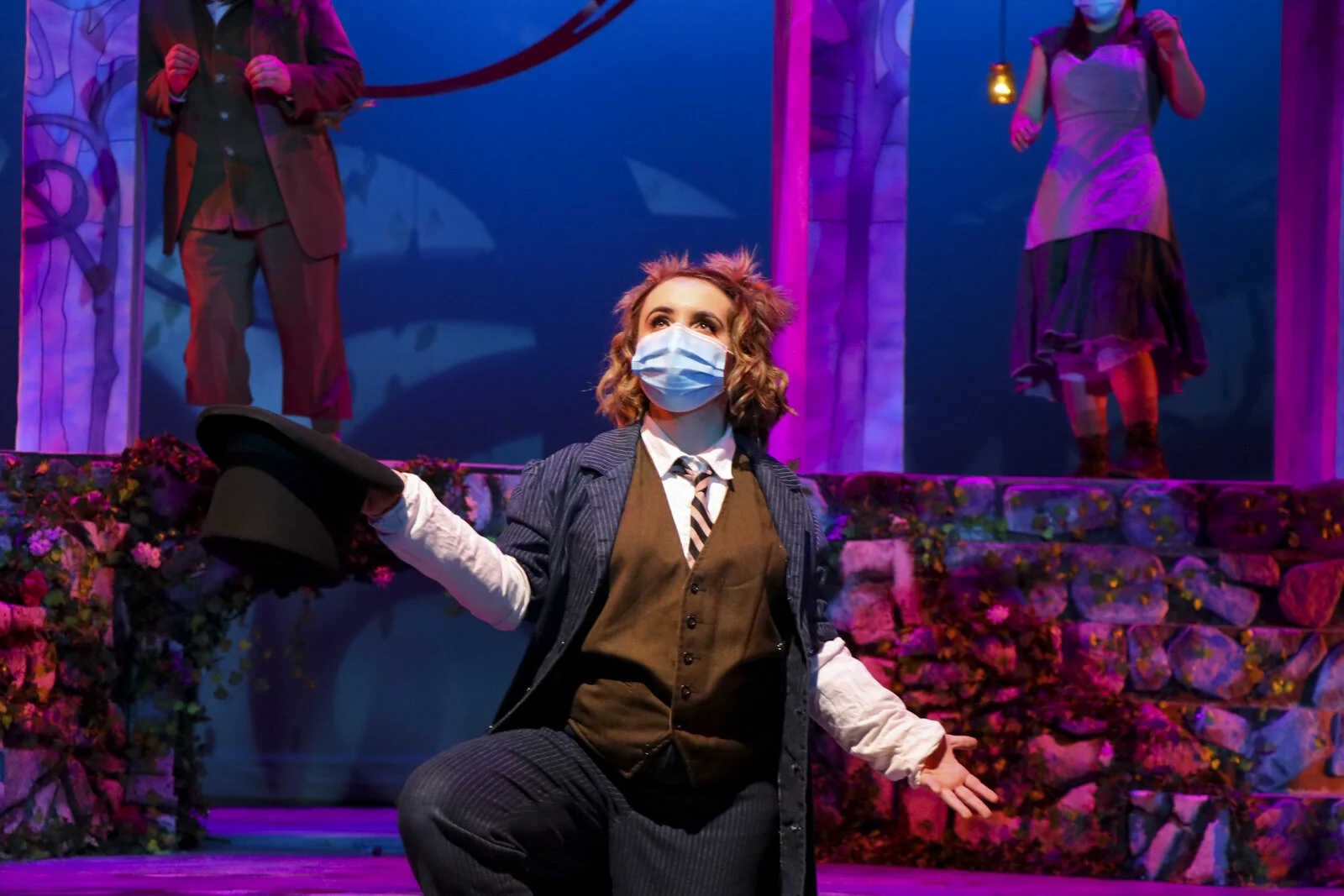
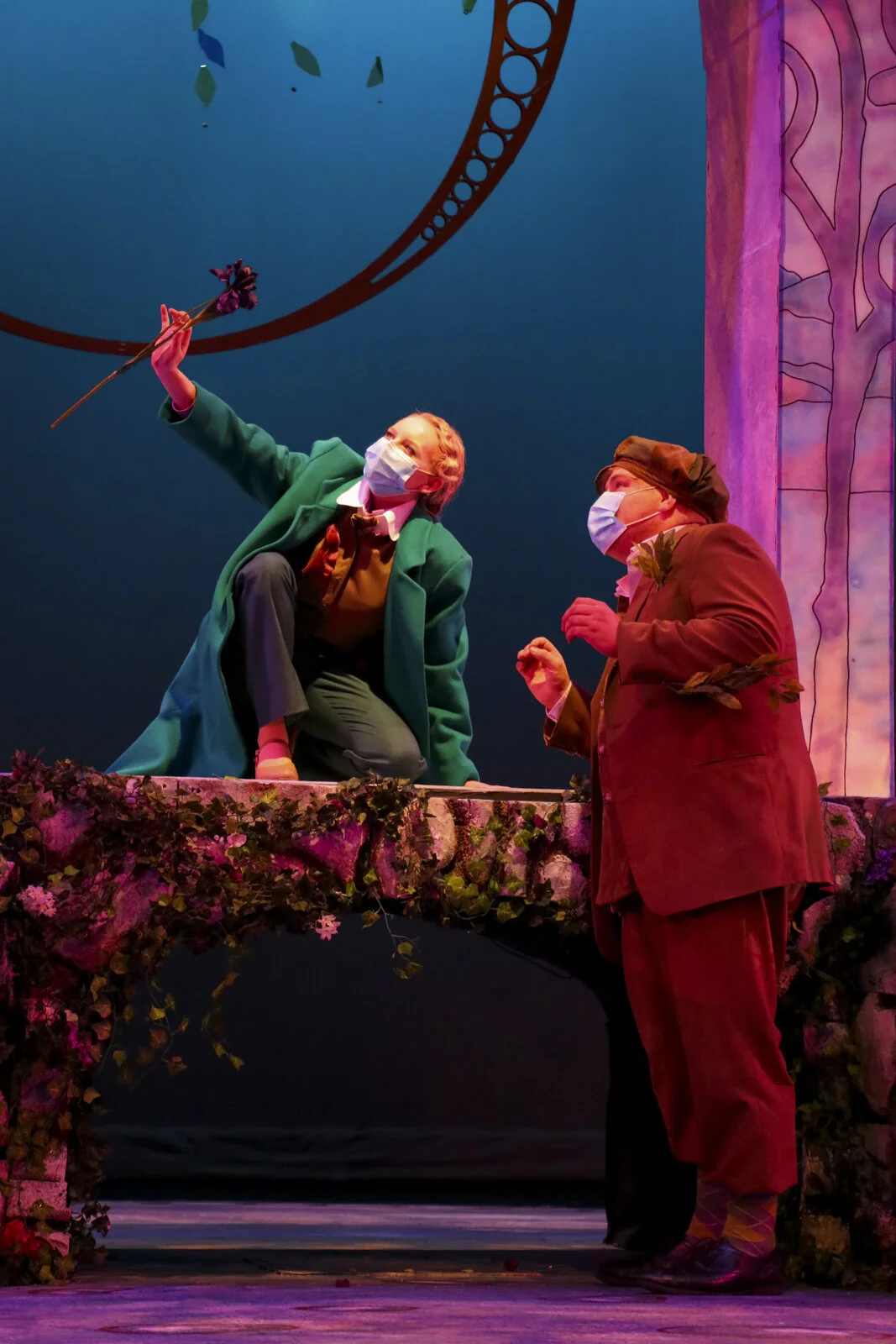
And of course, as you might imagine, the circumstances of 2020 meant that the process of putting on this theatrical production had to be transformed as well. I think back on the early days of our Dream held over Zoom, both for production meetings and for rehearsals, and both cannot believe we’ve made it. I must give thanks to everyone who touched this work — the actors articulating poetry through facial coverings, the dedicated understudies prepared to step in, the stage management clocking logistics and taking temperatures, the designers elevating thoughts and keeping everyone safe, the crew ready with hard work, and even the many masks, copious hand-sanitizer, and odd quarantine. This play is dedicated to everyone who toiled to help build a shining bright star in a darker than usual Summer. And this play is dedicated to you or anyone else in need of a little light these days.
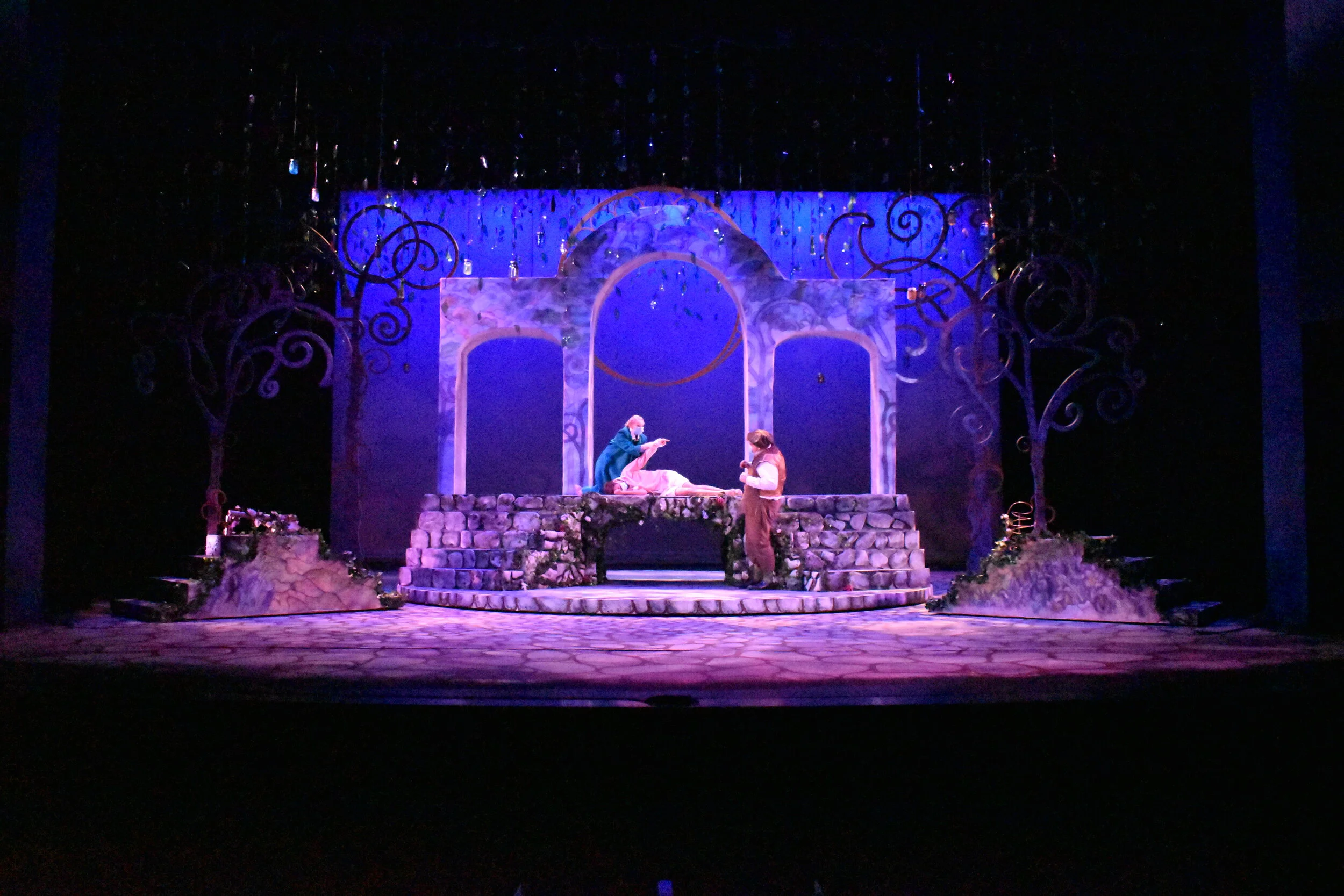
I hope you let go, escape to into the fairy forest with us tonight, and come away a little lighter, a little warmer, a little transformed.